Browse

Log in / Register
 Share
Share

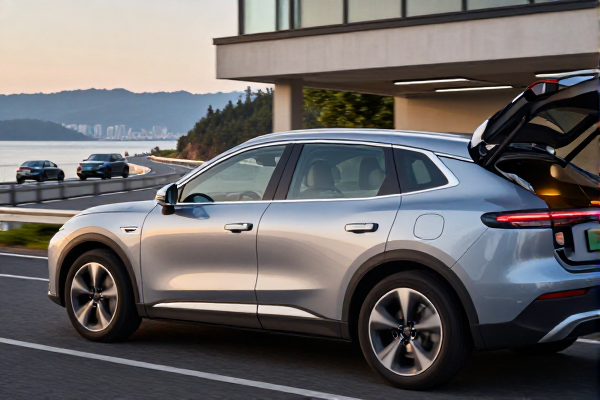
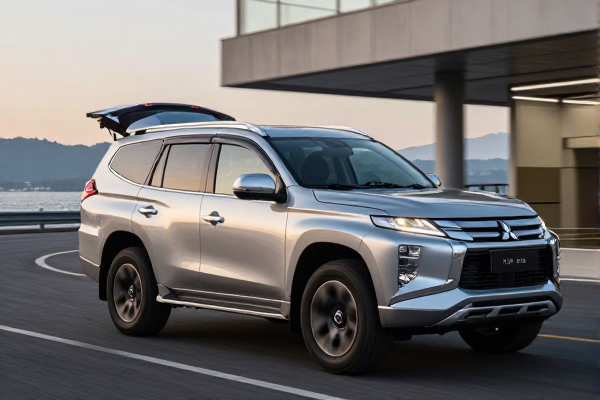
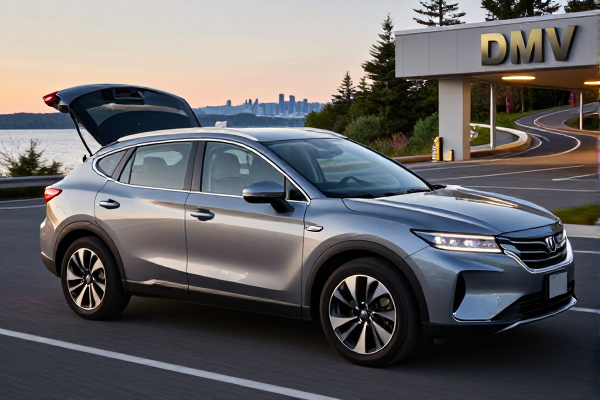
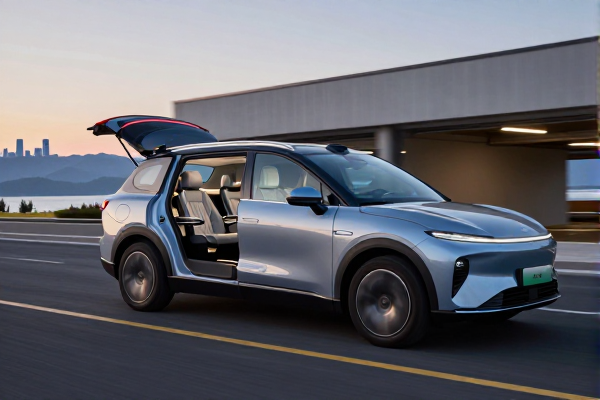
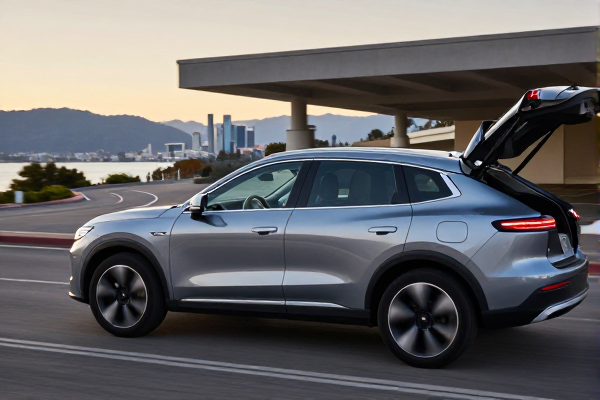
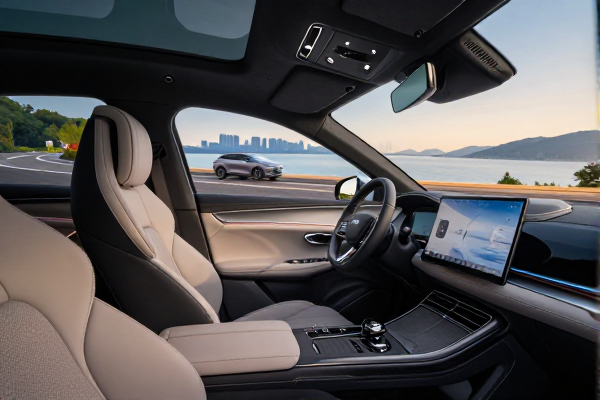
Mitsubishi is reigniting its electric vehicle ambitions in America with the Eclipse Sportback, a compact crossover set to arrive in late summer 2027. Based on the Nissan Leaf, this model targets budget-conscious consumers amid a shifting EV landscape. As of July 2024, exact pricing and specifications are yet to be disclosed, but industry experts anticipate a competitive entry below $35,000, potentially bolstering the slim pickings for affordable EVs in the U.S. market.
The Eclipse Sportback represents a strategic pivot for Mitsubishi, leveraging Nissan's established EV platform to re-enter the American electric scene after a prolonged absence. While the exterior sports a more aggressive design with unique triangular wheels, the core mechanics remain rooted in the Leaf's proven architecture. This approach allows Mitsubishi to expedite development while minimizing costs, a crucial factor as automakers grapple with economic pressures and evolving consumer demand for value-oriented electric options.
Under the hood, the Eclipse Sportback is expected to mirror the Leaf's technical backbone, featuring a front-wheel-drive setup with an estimated 214-horsepower motor. The battery pack, likely around 75 kWh, could deliver over 300 miles of range in base configurations, aligning with the Leaf's EPA ratings. Charging capabilities may include a 150 kW peak for rapid DC charging, complemented by dual ports—Tesla's NACS for fast charging and J1772 for home use—enhancing versatility in a fragmented charging infrastructure.
In terms of pricing, projections suggest the Eclipse Sportback will start near $30,000, positioning it as a viable alternative in the sub-$35,000 EV segment. This estimate stems from the Nissan Leaf's 2026 revamp, which debuted at approximately $30,000, and Mitsubishi's history of offering value-oriented models. If realized, this price point could address a critical gap in the U.S. market, where affordability remains a key barrier to widespread EV adoption, especially after the phase-out of federal tax incentives for many models.
The U.S. affordable EV market is at a crossroads, marked by both challenges and nascent opportunities. Recent setbacks, such as the expiration of the $7,500 federal tax credit and tariffs on Chinese-made EVs, have dampened the influx of ultra-low-cost options like the BYD Seagull. However, the arrival of models like the revamped Chevy Bolt and Subaru Uncharted—each offering over 300 miles of range for under $35,000—signals a slow but steady shift toward accessibility. Industry analysts note that consumer appetite for sub-$30,000 EVs is growing, driven by rising fuel costs and environmental awareness, yet supply remains constrained by production hurdles and strategic pivots among major automakers.
Exclusive insight reveals that Mitsubishi's move coincides with broader industry trends toward platform sharing and cost optimization. According to a 2024 report by BloombergNEF, shared EV architectures like Nissan's could reduce manufacturing expenses by up to 20%, enabling quicker market entry for budget models. This strategy may give Mitsubishi a competitive edge, as it bypasses the R&D costs associated with ground-up EV development, allowing the brand to focus on design differentiation and targeted marketing in a crowded field.
Looking ahead, the Eclipse Sportback will join a pipeline of forthcoming affordable EVs, including Kia's EV3 and Ford's promised $30,000 electric pickup. Tesla's rumored compact crossover, potentially built in China initially, could further disrupt the segment if launched in the U.S. Despite current volatility—characterized by model cancellations like the Volvo EX30 and Nissan Ariya—the long-term outlook for cheap, capable EVs remains positive, fueled by technological advancements and economies of scale. For American consumers, this evolution promises more choices, though the timeline for widespread availability may extend into the late 2020s.
In summary, the Mitsubishi Eclipse Sportback embodies a pragmatic approach to EV democratization, blending proven technology with aesthetic tweaks to appeal to cost-sensitive buyers. Its success will hinge on precise pricing, reliable performance, and Mitsubishi's ability to navigate a complex regulatory and competitive environment. As the U.S. electric vehicle market matures, models like this could play a pivotal role in accelerating the transition to sustainable transportation, provided they deliver on the promise of affordability without compromising on quality.