Browse

Log in / Register
 Share
Share
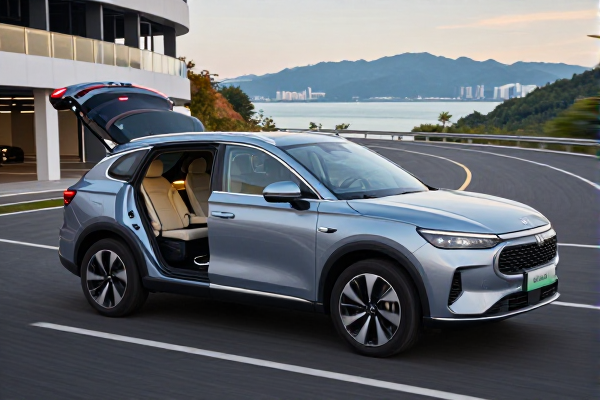
Mitsubishi officially pulled the cover off its long-awaited electric crossover, the ASX VR-e, on June 18, 2025. Built in partnership with electronics giant Foxconn and assembled in Taiwan, the model marks the brand's first mass-market pure electric vehicle since the experimental i-MiEV city car launched in 2010. The ASX VR-e is expected to reach U.S. showrooms in the fourth quarter of 2026, though detailed pricing and specs for the American market remain unconfirmed.
The ASX VR-e name pays homage to the legendary Galant VR-4, a rally-inspired sedan from Mitsubishi's past. The brand says the new EV earns that badge through "sporty performance and responsive handling," backed by extensive local tuning by global and regional teams. While the combustion-powered ASX — a rebadged Renault Captur built in France — will continue to be sold alongside the new model in some markets, the VR-e is positioned as a dedicated electric offering with a distinct identity.
Mitsubishi has not yet confirmed technical details for the U.S. version, but the ASX VR-e is built on the Foxtron Bria platform, which is manufactured by Foxconn's automotive subsidiary. Overseas specifications for the Bria give a clear picture of what to expect:
The platform uses a relatively small battery by modern U.S. standards, but Mitsubishi is targeting affordability and efficiency rather than outright range. The LFP chemistry adds durability and lower cost, which could help the ASX VR-e qualify for federal tax credits if assembled in North America. However, current production is in Taiwan, so U.S. buyers may not see the full $7,500 credit unless local assembly plans change.
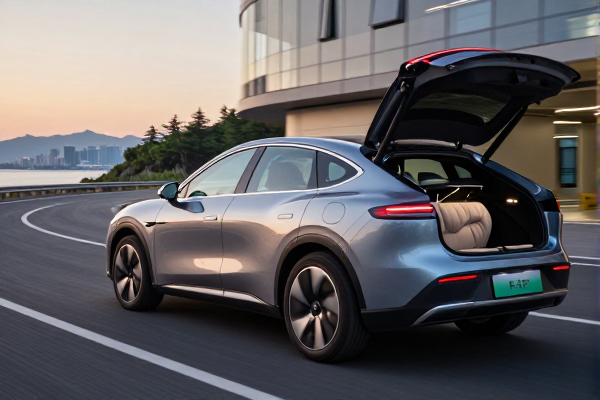
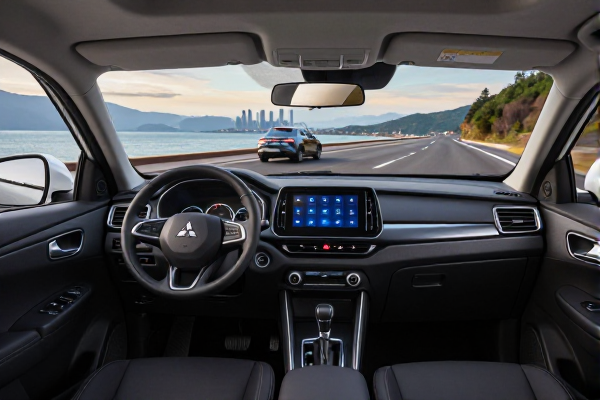
Visually, the ASX VR-e shares the same basic silhouette as the Foxtron Bria, but Mitsubishi has added its own lighting signatures, badgework, and wheel designs. The front end features a narrow, angular LED daytime running light signature that echoes the brand's current design language, while the rear gets a full-width light bar. Inside, the cabin sports a large central touchscreen, a small digital instrument cluster, a floating center console, and other contemporary touches. Mitsubishi says it has added unique interior materials and trim details to differentiate the model from its Foxconn sibling, though photos have not yet been released.
Mitsubishi confirmed the ASX VR-e will be offered in four familiar variants: LS, Aspire, Exceed, and GSR. The GSR is expected to be the sporty top-tier trim, likely reserved for the AWD powertrain. While full U.S. trim breakdowns are pending, the lineup suggests a similar structure to the Outlander and Triton ranges, with the LS as an entry-level value option and the Exceed adding luxury features.
The ASX VR-e is crucial for Mitsubishi as it faces tightening emissions and fuel economy standards in the U.S. and other markets. The brand's current lineup remains heavily combustion-weighted — the Triton midsize pickup, Outlander midsize SUV, and the aging Mirage are the mainstays. Without a competitive EV, Mitsubishi could face significant penalties under the EPA's updated greenhouse gas regulations for 2026 and beyond.
The new EV also gives Mitsubishi a foothold in the growing compact electric crossover segment, which includes the Chevrolet Bolt EUV, Hyundai Kona Electric, Kia Niro EV, and the upcoming Tesla Model 2 (if it materializes). The ASX VR-e's 3.9-second 0-60 mph time in AWD form would make it one of the quickest in its class, though its range and charging speed are middle-of-the-pack.
The company is also investing heavily in its Thai plant to support the upcoming return of the Pajero nameplate, which is expected to launch around the same time as the ASX VR-e. The new Pajero is likely to be diesel-powered at first, but recent reports suggest electrification (possibly a hybrid or plug-in hybrid) is on the way. Together, the ASX VR-e and next-gen Pajero are expected to modernize Mitsubishi's U.S. lineup and reduce its fleet average emissions.
The collaboration with Foxconn is notable because it marks a departure from traditional automaker-supplier relationships. Foxconn, best known as Apple's iPhone assembler, is pivoting to electric vehicle manufacturing under its Foxtron brand. The ASX VR-e is the first production vehicle to come out of that partnership, and it could set a template for other automakers to outsource EV production to a contract manufacturer.
For Mitsubishi, the deal allows it to bring an EV to market faster and with lower capital investment