Browse

Log in / Register
 Share

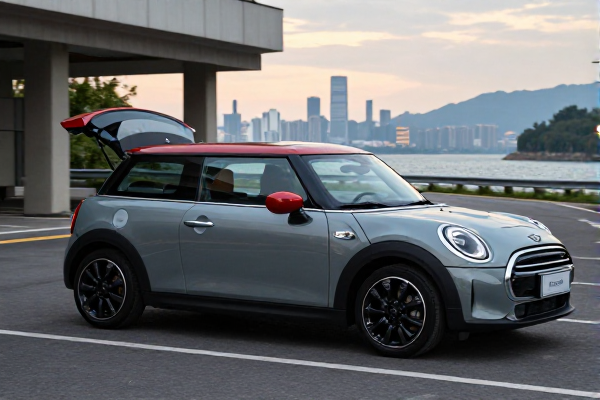
April 2025 – The Mini Cooper has been synonymous with front-wheel drive since its 1959 debut, a layout that maximized interior space in a tiny footprint. But BMW, which revived the brand in 2000, may be preparing to flip that script for the electric era. According to recent comments from BMW officials to Autocar, the next-generation Mini EV could move to a rear-wheel-drive architecture, marking the most dramatic engineering departure in the model’s 66-year history.
The shift appears to be driven by BMW’s next-generation platform, known as Gen 6, which underpins the upcoming Neue Klasse family of EVs. This platform is built around a rear-axle drive unit with an integrated gearbox, according to the report. While dual-motor versions of the i3 and iX3 will add a front motor for all-wheel drive, BMW engineers reportedly told Autocar that they are not developing a primary drive motor for the front axle. That means the next Mini EV would likely adopt the rear-drive setup as its standard configuration.
This is not just a platform decision—it’s a philosophical shift. Mini has long been celebrated for its go-kart-like handling, which was partly a product of its front-wheel-drive layout and low center of gravity. Switching to rear-wheel drive could fundamentally change the car’s character, potentially making it more playful and oversteer-prone, but also more expensive to engineer. The move would also align Mini with BMW’s core rear-drive heritage, a connection that has been tenuous since the brand’s revival.
The implications for the internal-combustion Mini are less clear. Currently, the gasoline-powered Mini Cooper is a heavily reworked version of the previous generation, while the electric Cooper (not sold in the U.S.) is built on a separate platform by Great Wall Motor in China. BMW could continue this dual-track strategy, offering a front-drive, gas-powered Mini alongside a rear-drive EV. Alternatively, a hybrid derivative based on the EV platform could emerge, likely with all-wheel drive. But neither scenario has been confirmed.
BMW design boss Holger Hampf has hinted that the next-generation Mini will draw inspiration from the original R50 generation, known for its crisp proportions and upright stance. A rear-drive layout would allow designers to push the wheels further to the corners, creating a more dramatic, cab-forward silhouette—something that’s been difficult to achieve with a front-drive transaxle. This could give the Mini a more aggressive, contemporary look while still retaining its iconic round headlights and short overhangs.
It’s worth noting that the potential rear-drive Mini is not an isolated case. BMW’s upcoming electric 1 Series, which has traditionally been front-wheel drive, is also rumored to switch to a rear-drive platform. This suggests a broader strategy: BMW is consolidating its EV lineup around a single rear-drive architecture, leaving front-drive platforms for entry-level combustion models or joint ventures.
For Mini enthusiasts, the news is both exciting and unsettling. Rear-wheel drive promises more engaging driving dynamics, especially in a small, lightweight package. But it also risks alienating purists who view the Mini’s front-wheel-drive character as essential to its identity. The brand has survived dramatic changes before—stretching into wagons, SUVs, and even a coupe—but this would be a fundamental redefinition of the car’s DNA.
Autocar’s report is based on direct conversations with BMW engineers, but the automaker has not officially confirmed the switch. Given the typical development cycle of new models, a rear-drive Mini EV would likely arrive in the late 2020s or early 2030s, coinciding with the broader rollout of the Neue Klasse platform. Until then, the