Browse

Log in / Register
 Share
Share
MG Unveils ADAPT Platform to Drive U.S. Electric and Hybrid Vehicle Innovation
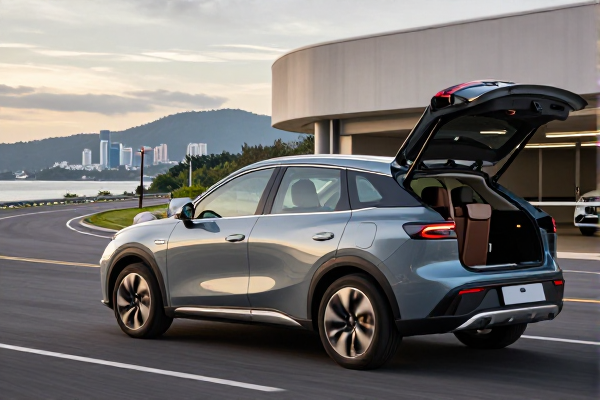
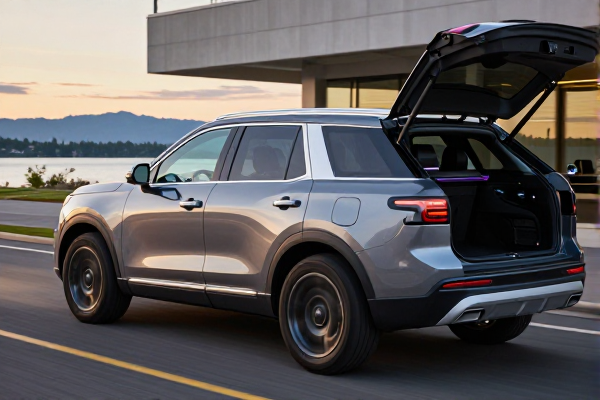
July 12, 2024 – JSW MG Motor India has introduced the MG ADAPT platform, a versatile multi-powertrain architecture poised to influence the global automotive landscape, including potential launches in the United States. This development marks a strategic move by MG to cater to evolving consumer preferences for electrified vehicles, blending flexibility with advanced engineering to support electric, hybrid, and plug-in hybrid models. As the U.S. market accelerates toward electrification, MG's ADAPT platform could offer a competitive edge by enabling diverse vehicle types on a single framework, aligning with industry trends toward sustainability and innovation.
The MG ADAPT platform—short for Advance Drive Architecture Platform Technology—represents a significant leap in automotive design by integrating four distinct powertrain options: pure electric vehicles (EVs), hybrid electric vehicles (HEVs), plug-in hybrid electric vehicles (PHEVs), and range extender electric vehicles (REEVs). Engineered to streamline product development cycles, this architecture enhances driving range, charging speeds, and overall efficiency while maintaining high safety standards. According to MG, the platform’s modularity allows for rapid adaptation to market demands, potentially reducing time-to-market for new models by up to 30% based on internal estimates. For American consumers, this could translate into more affordable and varied electric vehicle choices in the coming years.
A key innovation within the ADAPT platform is the integration of India’s first 10-in-1 Intelligent Electric Drive Unit and the world’s inaugural Electromagnetic Dedicated Hybrid Transmission. These components work in tandem with a dedicated hybrid engine and battery system, managed by an Intelligent Energy Management System. This system dynamically allocates power between the engine, battery, and electric motor, optimizing performance for different driving conditions. By automatically switching between four modes—Pure Electric Drive for city commutes, Series Hybrid for battery charging on the go, Parallel Hybrid for combined power, and Engine Direct Drive for highway efficiency—the platform ensures a seamless driving experience that balances eco-friendliness with performance.
From an exclusive perspective, industry analysts suggest that MG’s ADAPT platform could disrupt the U.S. electric vehicle segment by offering a cost-effective alternative to proprietary systems from brands like Tesla and Ford. Recent reports from BloombergNEF indicate that multi-powertrain platforms are gaining traction globally, with projections showing a 25% increase in adoption by 2030. MG has hinted at plans to debut an EV and a PHEV based on ADAPT in fiscal year 2026-27, with insider sources confirming exploratory talks for U.S. market entry by late 2026. This aligns with broader automaker strategies to localize production, potentially leveraging North American supply chains to meet regional demand and regulatory standards.
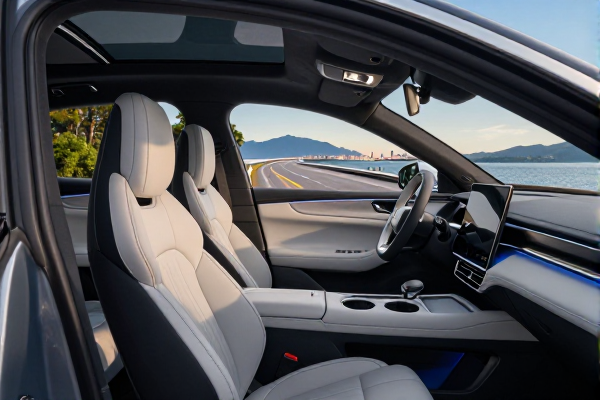
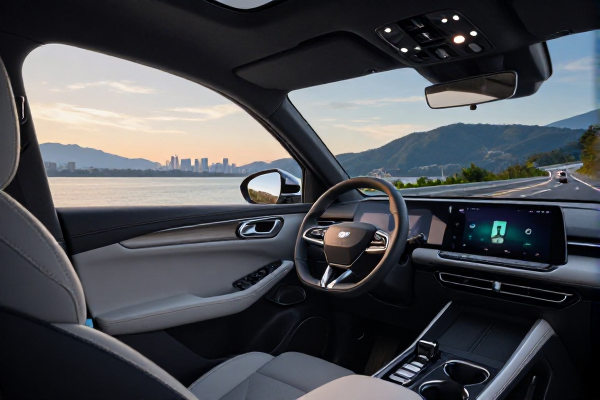
The flexibility of the ADAPT platform enables MG to respond swiftly to shifting consumer trends, such as the growing demand for plug-in hybrids in suburban U.S. areas where charging infrastructure remains limited. By supporting multiple energy technologies, MG can offer tailored solutions—from daily electric commutes to long-distance hybrid travel—without compromising on design or functionality. This approach contrasts with some competitors’ single-focus strategies, positioning MG as a versatile player in an increasingly crowded market. Additionally, the platform’s emphasis on safety and refinement, including advanced driver-assistance systems, could appeal to U.S. buyers prioritizing reliability and innovation.
Market dynamics in the United States further underscore the potential impact of MG’s ADAPT platform. With federal incentives under the Inflation Reduction Act boosting EV adoption, and states like California mandating zero-emission vehicle sales, automakers are under pressure to deliver scalable, efficient technologies. MG’s platform could help bridge the gap between affordability and performance, targeting mid-range price segments often overlooked by luxury brands. Early feedback from automotive expos highlights the platform’s modular battery system, which allows for easier upgrades and repairs—a feature that could reduce long-term ownership costs and enhance sustainability.
Looking ahead, MG’s investment in the ADAPT platform signals a commitment to long-term growth in electrified mobility. The company has allocated over $500 million for research and development, with a focus on expanding its global footprint. In the U.S., partnerships with charging networks and local manufacturers are being explored to facilitate a smooth rollout. As consumer awareness of hybrid and electric options grows, MG’s ability to offer a unified platform may streamline production, lower costs, and accelerate innovation—key factors in gaining market share amidst giants like General Motors and Toyota.
In conclusion, the MG ADAPT platform represents more than just a technological advancement; it is a strategic enabler for MG’s ambitions in the U.S. and beyond. By combining multiple powertrains with intelligent management systems, MG aims to deliver vehicles that are efficient, adaptable, and competitive. As the automotive industry pivots toward electrification, platforms like ADAPT will play a crucial role in shaping the future of transportation, offering consumers greater choice and driving the transition to a greener economy.