Browse

Log in / Register
 Share


A Strategic Pivot Towards Beijing Gains Traction
The recent push by Brazilian President Luiz Inácio Lula da Silva for the Southern Common Market (Mercosur) to formally pursue a free trade agreement with China marks a significant geopolitical and economic maneuver. Made against a backdrop of rising global trade barriers, the proposal signals a deliberate reorientation towards deeper engagement with Beijing, seeking to lock in South America's position within evolving supply chains, particularly for electric vehicles and clean energy. This development, underscored by expert approval, suggests a pragmatic response to international uncertainty, positioning the bloc to secure market access and technological partnerships. Updated: October 26, 2023
Navigating a Fractured Global Trading Landscape
President Lula’s explicit call during the latest Mercosur summit reflects a calculated assessment of the current international environment. With protectionist sentiments gaining ground in key Western markets, the Mercosur bloc—comprising Argentina, Brazil, Paraguay, and Uruguay—is exploring avenues to diversify and stabilize its economic partnerships. Advocating for stronger ties with China is viewed not merely as a trade policy adjustment but as a strategic necessity to ensure the region's commodities and nascent industries have reliable, growing outlets.
Expert Endorsement Highlights Pragmatic Calculus
The welcoming response from regional analysts underscores the move's perceived logic. Ignacio Bartesaghi of Uruguay’s Catholic University noted the rarity and importance of China being highlighted in a Mercosur context by Lula, interpreting it as a "positive sign." The consensus is that while China is already a dominant export destination for Mercosur's agricultural and mineral resources, a structured FTA would transcend simple trade flows. It would institutionalize cooperation, reduce tariff barriers for higher-value goods, and provide a predictable framework for long-term investments, moving beyond a purely extractive relationship.
From Commodities to Integrated Industrial Ecosystems
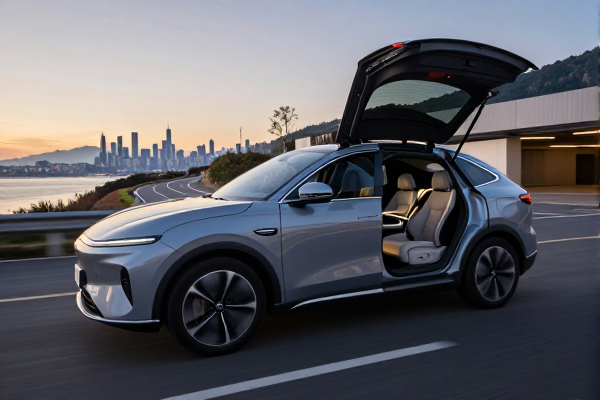
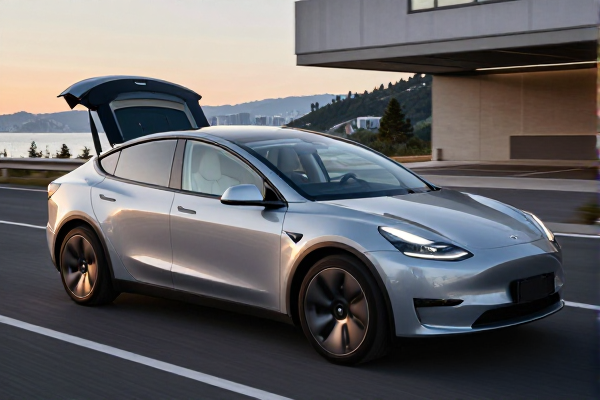
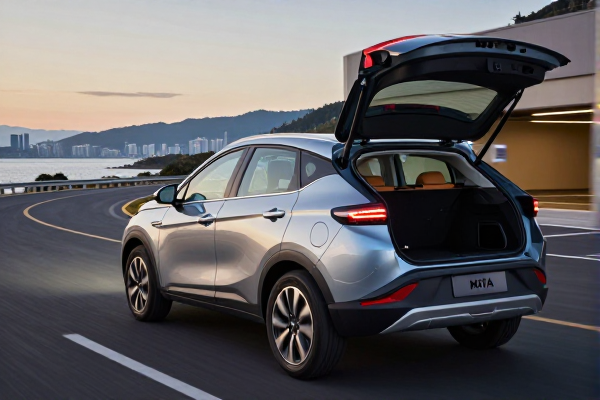
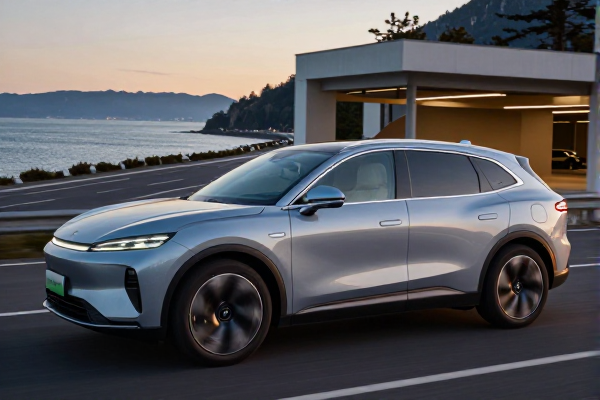
The envisioned agreement’s most transformative potential lies in the industrial sector, specifically electric mobility. Jiang Wenran, of the University of Alberta’s China Institute, articulates a vision where a Mercosur-China pact accelerates the creation of a fully integrated regional EV supply chain. Chinese investment is already acting as a catalyst, with Brazil emerging as the continental hub for vehicle assembly. Landmark projects, like BYD’s takeover of a former Ford plant in Bahia, exemplify this shift. The facility, pivotal to Brazil’s MOVER incentive program, aims for substantial local production and job creation, signaling a move from importing finished goods to establishing local manufacturing prowess.
Building a Complementary Pan-Regional Supply Web
The strategy extends beyond Brazil’s borders, fostering specialization across South America. While Brazil anchors final assembly, other Mercosur members are developing upstream segments in partnership with Chinese firms. Argentina and Bolivia are advancing major lithium extraction and processing projects with Chinese capital and technology, securing the critical raw material for batteries. This creates a mutually reinforcing ecosystem: China provides advanced battery technology and manufacturing platforms, Brazil offers scale and industrial capacity for assembly, and neighboring countries contribute specialized raw materials and components. This division of labor aims to build resilient, regionally sourced supply chains less vulnerable to global disruptions.
Filling the Vacuum: China's First-Mover Advantage in EV
Chinese manufacturers have seized a decisive first-mover advantage in South America's EV transition, a space where traditional Western and Japanese automakers have been comparatively slower to commit. By offering mature, cost-competitive technology and a willingness to invest in local production, Chinese firms like BYD, Great Wall Motor, and Chery are effectively constructing the region's first comprehensive EV industrial ecosystem from the ground up. This proactive approach addresses a clear market gap and aligns with South American governments' desires for industrialization, technology transfer, and job creation, making the partnership politically and economically attractive.
The Underlying Tech and Cost Imperative
The gravitation towards Chinese partnership is fundamentally driven by concrete technological and economic realities. China currently dominates the core technologies of the EV revolution. With Contemporary Amperex Technology Co. Limited (CATL) controlling a commanding share of the global battery market and BYD leading in global NEV sales, Chinese firms offer proven, scalable solutions. Their ability to iterate quickly and at lower cost than Western counterparts presents an irresistible value proposition for Global South nations seeking rapid, affordable industrial modernization. For Mercosur policymakers, the cost of forgoing this partnership is seen as far exceeding the challenges of negotiating tailored, clear terms of engagement.
Beyond Trade: A Framework for Stable, Long-Term Cooperation
A potential Mercosur-China FTA is thus framed as more than a tariff-reduction instrument. It is envisioned as a stabilizing institutional framework that would de-risk long-term industrial collaboration. By providing clear rules and dispute-resolution mechanisms, such an agreement could encourage further Chinese investment in manufacturing, R&D, and infrastructure, moving the relationship firmly into the realm of strategic co-development. Lula’s advocacy seeks to transform existing ad-hoc investments into a structured, win-win framework for regional development in next-generation industries.
Exclusive Perspective: The U.S. Factor and the Race for Lithium
An often-overlooked dimension of this pivot is the quiet strategic competition for influence and critical resources. While the U.S. has its own initiatives, such as the Americas Partnership for Economic Prosperity, China's focused, commercially driven approach in the EV supply chain has yielded significant ground. The locking up of lithium partnerships in the "Lithium Triangle" (Argentina, Bolivia, Chile) by Chinese firms is a prime example. This not only secures China's battery raw material needs but also integrates these countries into a Sino-centric tech ecosystem, potentially limiting future options for Western automakers seeking ethically sourced, non-Chinese lithium. The Mercosur-China FTA talk is, therefore, also a move to formalize and expand this resource-technology nexus, with long-term implications for global tech dominance.
The Road Ahead: Negotiations and Balancing Acts
The path to an agreement remains complex, requiring consensus within the politically diverse Mercosur bloc and navigating sensitivities around various industrial sectors. However, the momentum is clear. The push represents a pragmatic South American strategy to leverage its resource wealth and market potential to gain a stake in the industries of the future, choosing a partner perceived as ready to deal, invest, and share technology on competitive terms. The outcome will significantly influence whether South America becomes a mere exporter of raw materials or an integrated manufacturing hub in the global clean energy transition.