Browse

Log in / Register
 Share


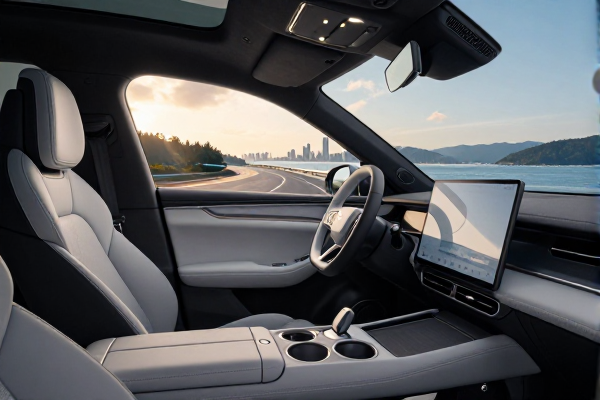
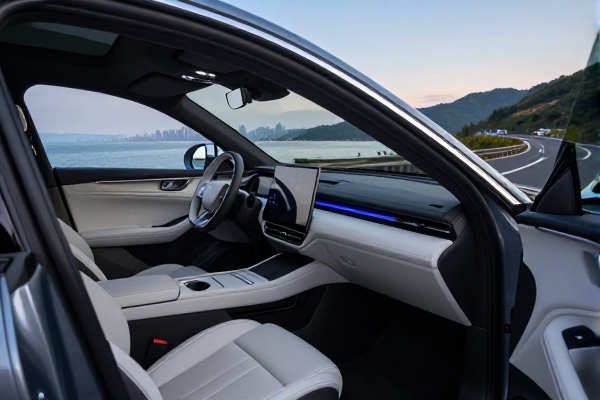
April 10, 2025 – After years of pushing massive touchscreens as the centerpiece of vehicle interiors, Mercedes-Benz is pivoting back to physical buttons. CEO Ola Källenius told Autocar that a new cabin design philosophy will arrive by July 2026, one that reintroduces tactile controls alongside digital displays. The move acknowledges that the industry’s rush toward all-screen dashboards may have alienated drivers who value simplicity and safety.
Källenius stopped short of abandoning touchscreens entirely. Instead, future Mercedes models will likely offer a hybrid layout—combining high-resolution infotainment screens with dedicated knobs, switches, and buttons for frequently used functions. The company has not yet formally announced the strategy on its official channels, but the shift marks a significant departure from the minimalist, tech-focused interiors seen in recent EVs like the electric GLA SUV, which features the sprawling MBUX Superscreen spanning the entire dashboard.
The decision aligns with growing consumer pushback documented in the 2025 U.S. Multimedia Quality and Satisfaction Study by J.D. Power. The study found that digital-display problems—including lag, glare, and confusing menus—increased overall in 2025. Vehicle owners overwhelmingly want technology that is both easy to use and reduces distraction. J.D. Power concluded that a combination of touchscreen and physical controls improves driver usability, a finding that directly supports Mercedes’ change of course.
Value-Added Insight: Industry-Wide Reversal Gains Momentum
Mercedes is not alone in recalibrating its interior strategy. Volkswagen has already brought back steering wheel buttons on the Golf GTI, Tiguan, and ID.4 after customer complaints about haptic sliders. Hyundai added physical knobs and buttons to the Santa Cruz and Palisade, and Porsche has long maintained physical toggle switches alongside its touchscreens. Even Tesla, the pioneer of the minimalist screen‑only approach, has begun adding physical controls in its Cybertruck and refreshed Model 3.
A 2024 study from the AAA Foundation for Traffic Safety found that drivers using touchscreen‑heavy infotainment systems spent up to 40 seconds more looking away from the road per trip compared to those using physical controls. This cognitive load translates into real safety risks. “The pendulum is swinging back because automakers realize that usability and safety go hand in hand,” said Dr. Michael Keane, a human‑factors researcher at the University of Michigan. “Physical buttons allow for muscle memory and reduce the time eyes are off the road.”
What This Means for Mercedes Buyers
For consumers, the return of buttons means less frustration with buried menus for climate control, volume, and seat adjustments. Mercedes has not specified which models will get the new interface first, but industry analysts expect the next‑generation E‑Class and S‑Class to debut the hybrid layout. The timeline—July 2026—gives the company roughly 15 months to retool its supply chain and redesign dashboard modules.
Some critics argue that Mercedes is simply reacting to poor sales of its overly digital models, but the company’s official stance is that customer feedback drove the decision. “We listened to our customers, and they told us they want a balance,” Källenius said. “Touchscreens are here to stay, but they should not be the only way to interact with the car.”
Conclusion: A Smarter, Safer Dashboard Future
The shift toward physical buttons does not signal the death of the touchscreen. Instead, it represents a maturation of automotive interior design—one that prioritizes driver safety and ease of use over pure aesthetics. As automakers like Mercedes, VW, and Hyundai prove, the best cabin experience is one that lets drivers keep their hands on the wheel and their eyes on the road.
For the latest in tech and auto trends, subscribe to our free newsletter—delivered once a day, no spam.