Browse

Log in / Register
 Share

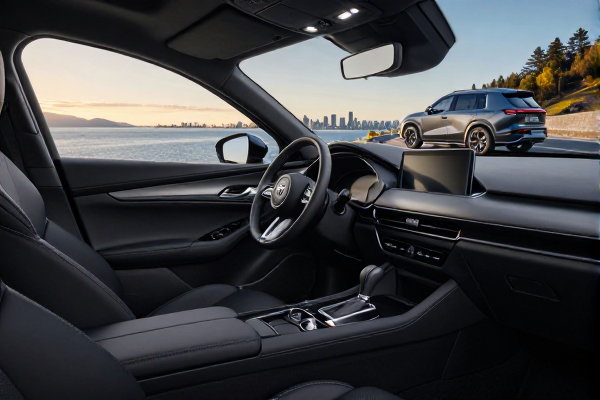
Mazda is discussing a deeper electric-vehicle partnership with its Chinese joint-venture partner Changan, with two additional China-built models already penciled into the company's medium-term plan. The confirmation came from Mazda Australia director Vinesh Bhindi in a conversation covered by Motor1 on May 7, 2026.
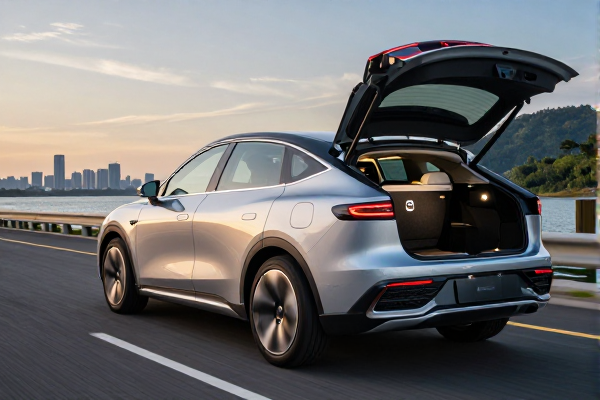
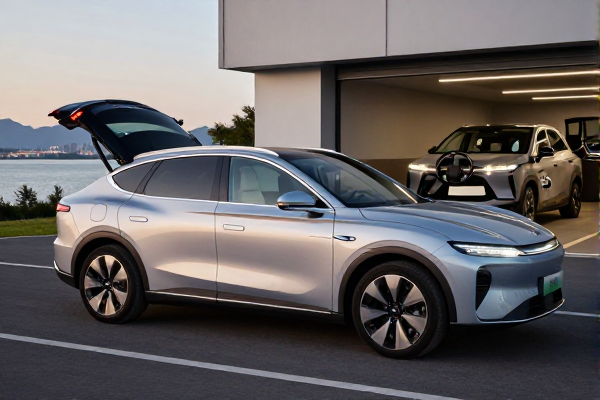
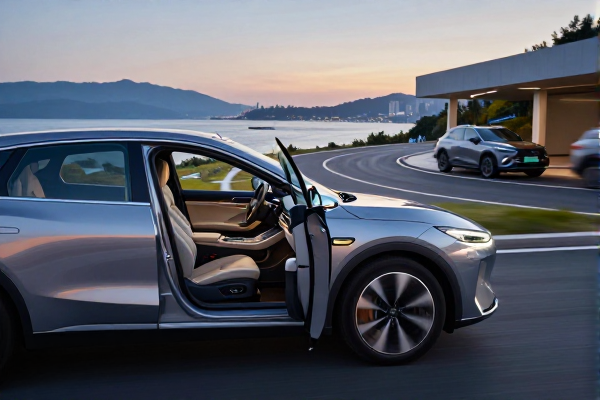
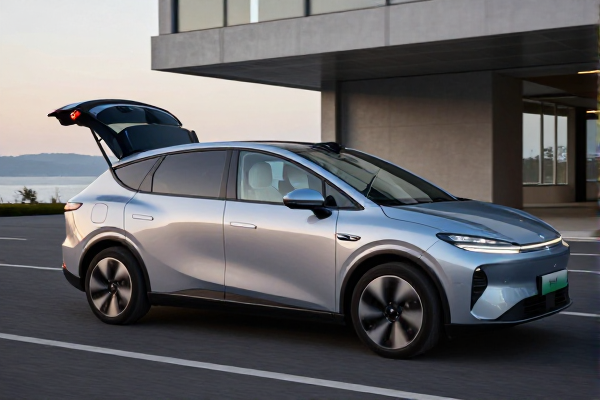
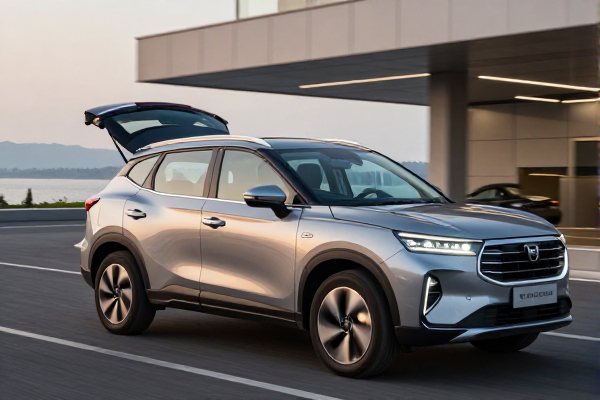
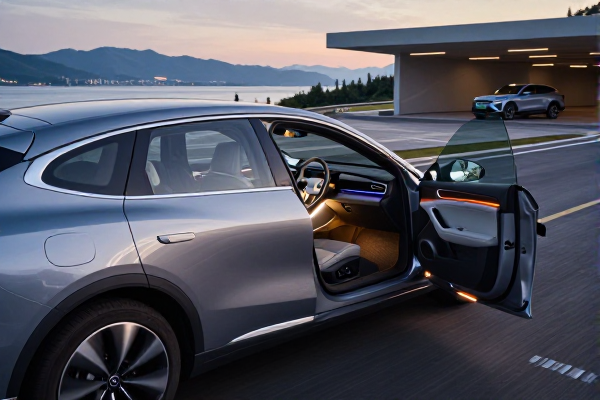
Mazda currently sells the China-built Mazda 6e liftback and CX-6e crossover in several export markets. According to Bhindi, the automaker is now examining whether the relationship with Changan can produce more models than the current pair. When asked if Mazda would lean on Changan for EV development while also continuing its own battery-electric vehicle program, he answered affirmatively.
Mazda's corporate plan already makes room for two more models built on the Changan joint venture in the 2028–2030 window. The company has stated that EVs produced by Changan are part of a wider strategy to grow exports beyond China. Bhindi stressed that the future cars will not simply be Changan models with a Mazda badge. Instead, the Nanjing plant operates as a Mazda facility inside the joint venture, and Mazda's European engineering team is responsible for calibrating ride and handling characteristics.
The approach is a cost hedge. Developing a dedicated electric architecture from scratch is expensive and time-consuming. Using Changan-developed platforms gives Mazda a faster route to market while preserving some brand-specific tuning. It also spreads development cost across a wider volume.
Industry analysts point out that the auto industry's EV shift has created a marketplace where scale matters as much as brand heritage. For Mazda, relying on an existing Chinese EV program is a pragmatic way to stay competitive without betting its entire engineering budget on one platform. Changan, one of China's largest state-backed automakers, brings mature battery supply chains, production experience, and regional cost advantages to the table.
That combination matters in Europe, where automakers are under pressure to meet increasingly strict fleet emissions rules. Building EVs in China and exporting them avoids the need for new European assembly capacity in the short term, while still allowing Mazda to offer battery-powered models in markets where compliance penalties are highest.
Mazda's internal battery-electric efforts have not been abandoned. The company targets 2029 for the first model on a dedicated battery-electric platform. In the meantime, it has scaled back its EV investment by roughly half and shifted engineering resources toward hybrids, which are expected to use the new Skyactiv-Z gasoline engine.
The Skyactiv-Z program signals that Mazda still sees the internal combustion engine as a central part of its lineup for the next decade. Hybrids and plug-in hybrids will likely bridge the gap between today's models and a future dedicated EV. The Changan partnership therefore works as a complement to Mazda's own program rather than a replacement, giving the brand market-specific EVs while its core engineering team focuses on next-generation gasoline engines, hybrid systems, and the eventual dedicated electric platform.
One important detail from Bhindi's comments is the emphasis on differentiation. He rejected the idea that future models would be re-badged Changan products. The Nanjing plant has been structured as a Mazda facility within the joint venture, and Mazda's European team is tuning chassis and steering characteristics to match the brand's driving signature.
That distinction matters for customer perception. Mazda has long marketed itself as a brand with a particular focus on driving dynamics, and simply slapping a Mazda logo on a Chinese-market EV could weaken that identity. By keeping the engineering calibration work in-house, Mazda appears to be trying to add its own feel to models that already exist on shared EV architectures.
Mazda has not detailed how much of the vehicle content would be different from Changan's own models. Exterior design, interior packaging, and software are likely areas where the two partners can diverge. The powertrain and battery technology, however, may be shared to keep costs under control.
For American buyers, the question is whether any of these China-made EVs will reach the United States. Mazda currently has no production EV on sale in the U.S., and tariffs on Chinese-built vehicles remain a major obstacle for any direct import plan. The company's immediate compliance problem is in Europe, where emissions targets are already shaping product strategy.
If U.S. trade policy were to shift, a China-sourced Mazda EV would become a far more realistic option. But as of now, the automaker appears to be focused on markets that are more open to Chinese exports. Australia, New Zealand, and parts of Asia are also likely destinations for the expanded lineup, alongside Europe.
The real signal from Bhindi's comments is that Mazda is willing to go beyond a single model to fill out its EV family. The company has already shown that the 6e and CX-6e can be sold profitably in export markets, and the logic of doing more of the same is straightforward.
The key variables are timing and execution. The 2028–2030 window gives Mazda enough time to refine the models, but also gives the Chinese joint venture time to switch to newer battery platforms. Mazda has not announced which body styles are planned, but the corporate plan points to a deliberate expansion of its electric portfolio without the cost of developing each model from scratch.
Mazda's strategy is likely to be judged by two things: whether customers can tell a Mazda-built-in-China EV from a Changan product, and whether the financial returns justify the expanding partnership. The company's next few product launches will provide that answer, and they will be a strong indication of how much trust Mazda is placing in Changan's engineering and supply chain network.