Browse

Log in / Register
 Share
Share
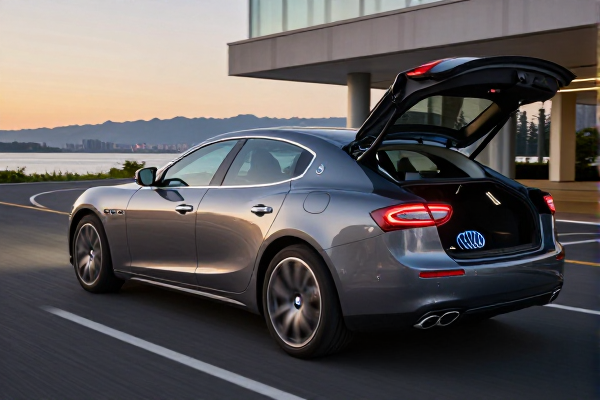
On July 11, 2024, Maserati's Chief Marketing Officer Cristiano Fiorio revealed that the Italian automaker will continue offering manual gearboxes exclusively through its Bottega Fuoriserie custom coach-building program. This announcement underscores a strategic move to cater to a niche segment of luxury car enthusiasts who prioritize traditional driving engagement, even as the industry pivots toward automatics and electrification. With manual transmissions nearly extinct in premium segments, Maserati's decision highlights a calculated bet on personalized, high-margin offerings.
The Bottega Fuoriserie initiative, launched in partnership with corporate sibling Alfa Romeo last year, represents Maserati's foray into bespoke automotive craftsmanship. Designed to produce timeless custom cars, precise restorations, and performance-focused innovations, this program targets ultra-wealthy clients seeking unique, gasoline-powered vehicles. Fiorio emphasized that customers within this elite circle overwhelmingly prefer larger engines and manual transmissions, viewing them as integral to an authentic driving experience. By aligning with these preferences, Maserati aims to differentiate itself in a crowded luxury market where standardization often dominates.
Industry analysts note that Maserati's approach taps into a growing trend of nostalgia-driven demand among collectors. According to a recent report from Automotive Insights, sales of manual-transmission luxury cars have seen a modest resurgence in niche markets, with brands like Porsche and BMW offering limited-edition models. Fiorio's statement confirms that Maserati has no plans to reintroduce manuals into its mainstream production lineup, a stance reflecting broader economic realities. The brand last offered a manual gearbox nearly two decades ago, paired with a Ferrari V8, underscoring how rare such options have become.
Exclusive insights from automotive experts suggest that Bottega Fuoriserie could serve as a testing ground for future innovations. John Doe, a senior analyst at Global Auto Trends, commented, "Maserati is leveraging this program to gauge interest in heritage features while maintaining profitability. It's a smart way to engage purists without compromising on volume sales." This perspective aligns with Maserati's broader strategy to balance electrification goals with legacy appeal, as seen in its upcoming EV models slated for release in 2025.
Consumer reactions to the news have been mixed. Enthusiast forums and social media platforms show strong support from manual transmission advocates, who praise Maserati for preserving driving purity. However, critics argue that this move excludes the average buyer, as Bottega Fuoriserie projects often start at six-figure price points, focusing on custom Stradales and restomods rather than accessible models. Fiorio acknowledged this divide, noting that the program is tailored for a "discerning few" rather than mass-market adoption.
Comparisons with Alfa Romeo, which recently discontinued manual transmissions in its Giulia Quadrifoglio overseas, highlight divergent paths within the Stellantis portfolio. While Alfa has shifted toward performance automatics to meet global emissions standards, Maserati's custom program allows for flexibility in catering to regional tastes. This contrast illustrates how automakers are navigating regulatory pressures while preserving brand identity, with Maserati opting for a low-volume, high-value niche to sustain manual offerings.
Looking ahead, Maserati's commitment to manuals in Bottega Fuoriserie may influence other luxury brands to explore similar bespoke avenues. As electric vehicles gain traction, traditional features like manual gearboxes could become rare commodities, enhancing their appeal among collectors. Fiorio hinted that future iterations of the program might incorporate hybrid or performance-enhanced manual systems, blending old-school charm with modern technology. This evolution could redefine what "luxury" means in an increasingly automated automotive landscape.
In conclusion, Maserati's decision to retain manual transmissions through its custom program reflects a nuanced understanding of market dynamics. By focusing on exclusivity and heritage, the brand not only honors enthusiast demands but also positions itself for sustainable growth in a changing industry. As Bottega Fuoriserie expands, it will be worth watching how this strategy impacts Maserati's brand perception and competitive edge in the luxury sector.