Browse

Log in / Register
 Share

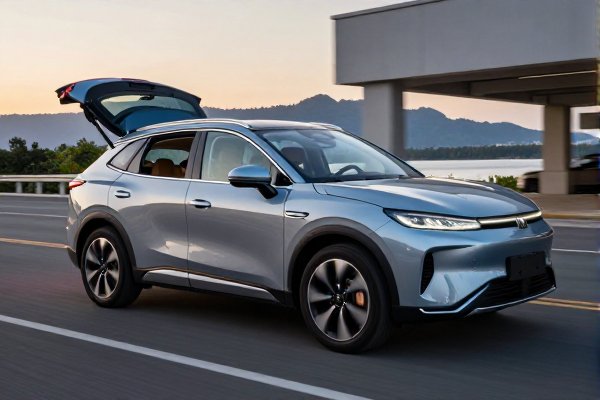
On May 6, 2026, LEPAS opened its first flagship store in Bucharest and officially brought the L8 plug-in hybrid electric vehicle to the Romanian market. The launch gives the brand a physical base in Central and Eastern Europe and puts the L8 in direct competition with more established hybrid SUVs. It also reveals a deliberate strategy: start with a PHEV, build service confidence, and expand later.
Romania has ambitious climate targets, but the charging network is still uneven. Fast chargers are common in Bucharest and along major corridors, yet many smaller cities and rural areas remain undercovered. The L8 PHEV is designed to work around that gap. In city traffic, the car can cover most trips using electric power. When the battery runs low, the petrol engine takes over, meaning a driver can take a long trip without planning charging stops.
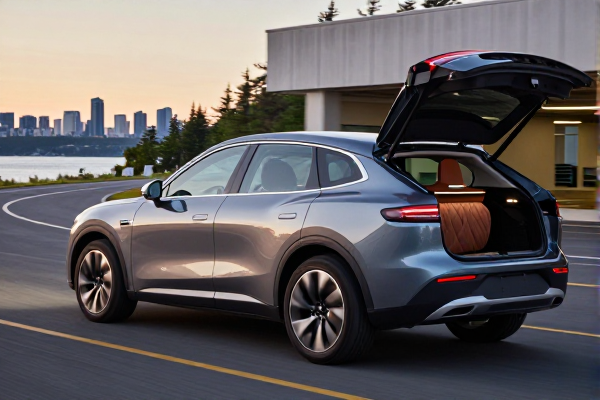
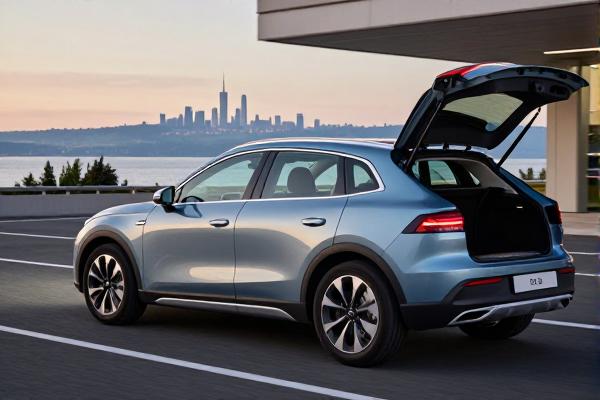
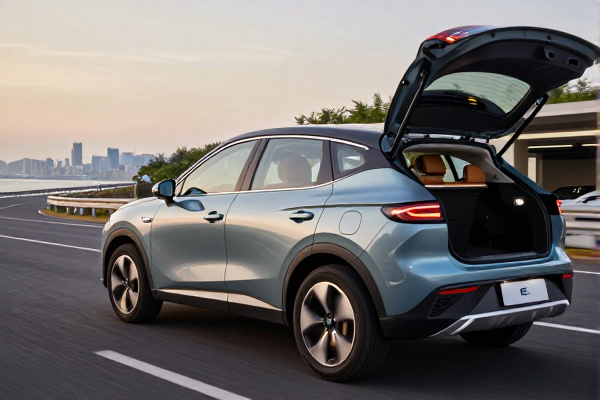
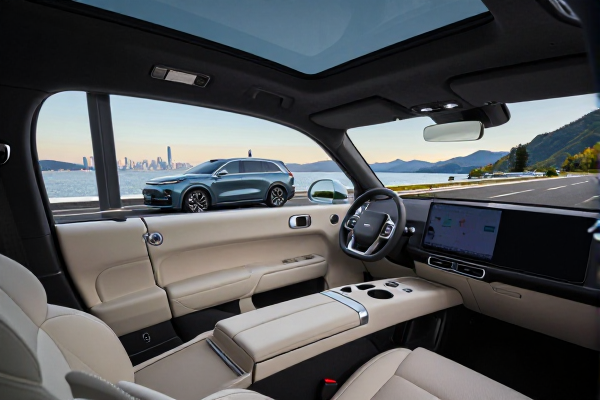
LEPAS is positioning the L8 as a family vehicle. It is a mid-size SUV with a raised body, a roomy interior, and a boot that can handle luggage and everyday shopping. This is not a niche product. It is intended to be the main car for a household. That matters in Romania, where the first car often has to do many jobs: commuting, school runs, weekend trips, and occasional highway travel.
The new store is located in a high-traffic part of Bucharest, accessible from several main boulevards. It combines a showroom, a service reception, and a lounge where customers can configure a car without pressure. At the opening, visitors could book test drives immediately, and early slots filled quickly.
LEPAS also used the launch to explain its after-sales plan. The company says it will keep common spare parts in Bucharest, backed by a logistics channel for less urgent items. For a new brand, service capacity is often the main reason buyers hesitate. By keeping parts and service under one roof, LEPAS is trying to deal with that concern before it affects sales.
Why enter Romania with a plug-in hybrid instead of a full EV? The answer has to do with local buying conditions. Romania’s electrified market is growing, but it is not like Western Europe. Price sensitivity is high, charging access is not guaranteed, and many buyers still see a petrol engine as a safety net.
The L8 is suited to that mindset. A plug-in hybrid offers lower running costs for daily drives, especially when the owner can charge at home or work. At the same time, the combustion engine means the car does not depend on the public charging network. For people living in apartments without a private charger, that makes the purchase decision far easier.
Romania’s Rabla Plus incentive scheme is weighted heavily toward full-electric cars. Plug-in hybrids receive less financial support. LEPAS is not relying on subsidy talk to sell the car. Instead, the brand argues that the L8’s usability and running costs are the stronger reasons to buy.
Full specifications for the Romanian market were not published at the launch event. The company confirmed that the L8 uses its current-generation hybrid platform and is offered with an automatic gearbox. The first customer deliveries are scheduled to begin in the third quarter of 2026. Order books are now open at the Bucharest store and online.
The initial package includes a five-year warranty and roadside assistance. LEPAS is also talking with local lenders about financing and leasing plans. Fleet sales will be another focus. The company said it is discussing corporate supply agreements, though no partner names were disclosed.
The L8 does not enter an empty market. Mainstream SUVs with plug-in powertrains are already known to Romanian buyers. Models like the Ford Kuga PHEV and Kia Sportage PHEV have established dealer networks and strong reputations. Those brands also have clear used-car values, which is something a new name cannot offer immediately.
LEPAS says the L8 comes with a strong list of standard equipment for its price class. Until final pricing is released, that claim will be difficult to compare. The launch event deliberately focused on ownership and service details more than headline figures. That suggests LEPAS knows it must win on reassurance and experience, not just product specifications.
New brands in Romania often need fleet sales to build volume. Leasing companies control a large share of new-car registrations, particularly in the corporate segment. LEPAS says it is working on fleet-oriented packages with maintenance included and a single point of contact for service bookings. No corporate launch clients were confirmed at the opening event.
Plug-in hybrids remain attractive for companies that want to reduce fuel spending. A sales car that can run on electric power for local trips and switch to petrol for highway work is a practical choice. If LEPAS can convince fleet managers that the L8’s total running costs are competitive, it can build a dependable sales base.
Industry watchers in the CEE region say PHEVs are likely to stay relevant for several more years. Charging infrastructure in Romania is improving, but it is not expanding fast enough to make full EVs an easy choice for everyone. In that context, a competitively priced plug-in hybrid is a bridge product.
The deeper test for LEPAS will be trust. A new brand has no local service track record and no word-of-mouth history. The first owners will become its best proof, or its strongest warning. The company appears to understand this. The Bucharest store is designed to encourage direct conversations rather than quick walk-ins, and the fixed-price service idea is intended to reduce unpleasant surprises.
The L8 is not the end of LEPAS’s Romanian plan. The company said a fully electric model is expected to arrive within the next year. It is also evaluating additional locations in Cluj-Napoca, Timișoara, and Iași. Whether those expansions take place will depend on how the first L8 deliveries are received.
For now, the priority is straightforward: get the first cars onto Romanian roads, keep the ownership process smooth, and show that the brand can behave like a serious market participant. The Bucharest flagship store gives LEPAS the platform to do that. The next few months will determine whether the launch is the start of something lasting or just an opening act.
For US readers following global electrification, the Romania launch is a useful example of how vehicle adoption is not always a straight EV line. Plug-in hybrids continue to open doors in markets where charging remains uneven. LEPAS’s move into Romania shows that a new brand can still gain traction with the right product format and a clear service plan.