Browse

Log in / Register
 Share

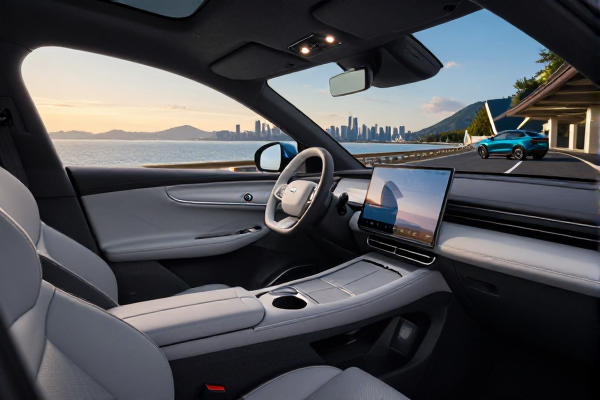
March 12, 2026 – Leapmotor is taking steps to make its driver-assistance systems less intrusive, even as the Chinese automaker chases top safety scores for its growing lineup. The company has admitted that abrupt warning sounds and aggressive steering interventions have frustrated early adopters, and is now rolling out updates to calm the experience without sacrificing safety.
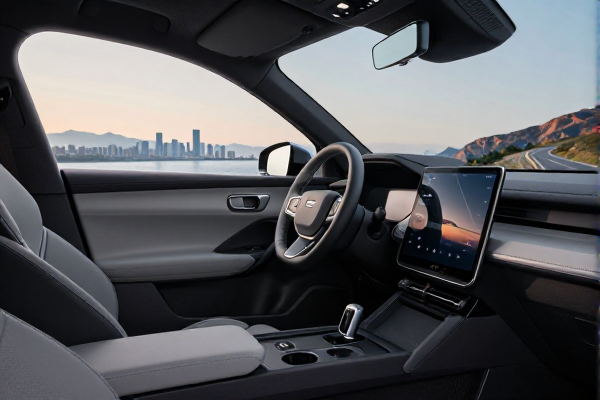
The automaker is lowering the volume of alerts, smoothing how systems like lane-keep assist nudge the steering wheel, and introducing a pull-down settings menu that lets drivers disable individual features without digging through nested infotainment menus. These changes mirror moves by other Chinese brands, such as MG, which have also added configurable driver profiles to let owners pre-set their preferred safety behavior.
“We are working on the ability to turn off, the ability to lower the feeling of intrusivity,” said Francesco Giacalone, global head of brand strategy, product and marketing at Leapmotor International, speaking at the global launch of the B03X in Spain. He acknowledged that an easier off switch is not a substitute for systems that work properly from the start, but said it is a necessary intermediate step while the company refines its algorithms.
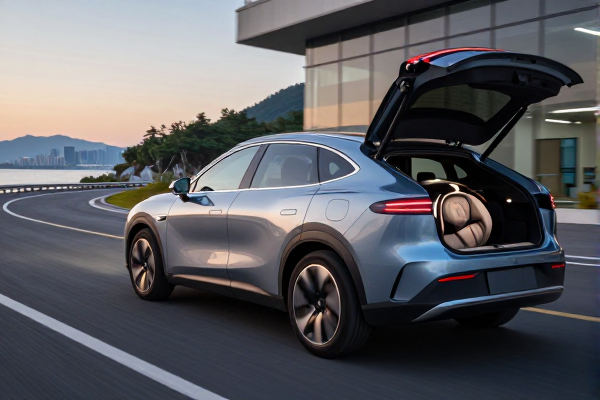
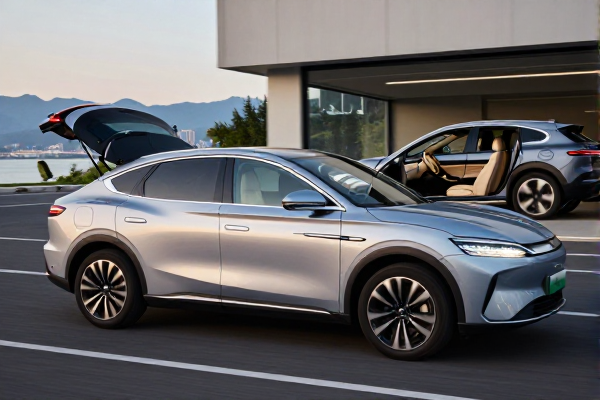
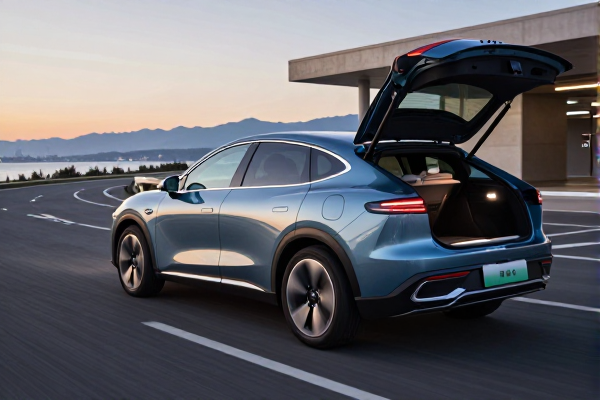
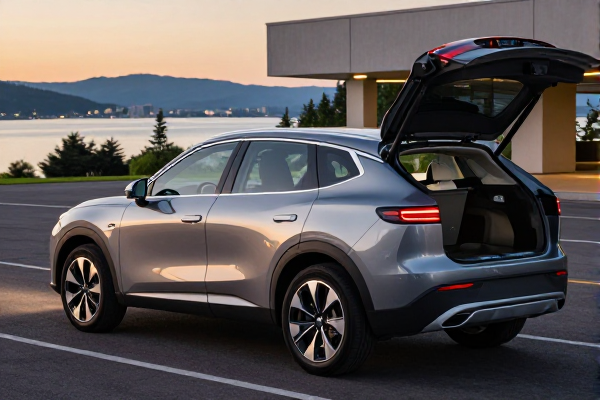
Strong independent safety ratings are critical for Leapmotor as it builds trust outside China, particularly in markets where established automakers have decades of brand equity. The B03X, a compact electric crossover, will come with seven airbags and 21 advanced driver-assistance features backed by 14 sensors and cameras. Leapmotor expects it to earn five stars when tested under ANCAP or a comparable program, with evaluation likely scheduled for early 2027.
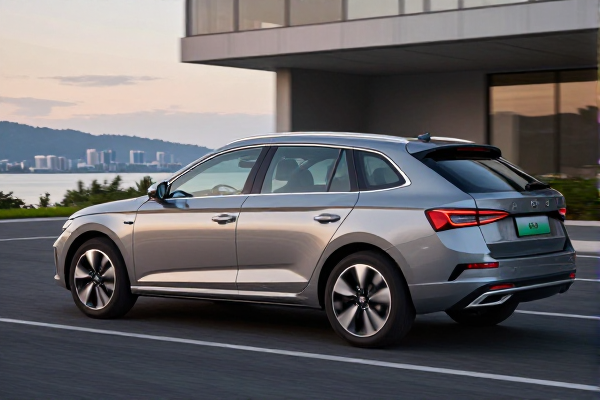
The company already has one five-star result under its belt from the B05 electric hatch, which scored 92% in Crash Protection under ANCAP’s stringent 2026–28 criteria last September. That test highlighted strong side-impact protection, lane-departure collision avoidance, and whiplash mitigation. The result demonstrates that affordable vehicles can achieve top safety marks—but the harder question is whether the same cars can deliver a non-intrusive driving experience.
When asked why a five-star car couldn’t simply have safety tech that operates quietly in the background, Giacalone rejected the idea that the issue is solely about cost. “I think it’s a matter of iteration. Learn, iterate, learn,” he said. He noted that traditional automakers have spent decades calibrating such systems, while Leapmotor is still building that expertise. He described the audible alerts in earlier models as “extremely disturbing” and confirmed that the company has already reduced their volume.
Giacalone also said Leapmotor is working to reduce the physical force of interventions like lane-keep assist. Some alerts are mandated by European regulations and safety protocols, but the company believes it can meet those requirements with smoother execution. The goal is to prevent owners from permanently disabling safety features out of annoyance—a defeat of their purpose.
Leapmotor’s software-defined vehicle architecture gives it an edge in this area, Giacalone argued. Because the systems are electronically controlled, warning sounds, steering assistance, and other software-dependent functions can be updated over the air after the car leaves the factory. That allows faster iteration than traditional model-development cycles, which require hardware changes or dealership visits.
Industry observers say Leapmotor is not alone. Chinese brands have historically struggled with ADAS refinement, and many are now rushing to improve after early backlash. “The key is balancing regulation-driven alerts with genuine driver trust,” said Ryan Chen, an auto-tech analyst at Wood Mackenzie. “If the system nags too much, drivers tune it out or switch everything off. That defeats the purpose of having safety tech in the first place.”
For U.S. consumers, Leapmotor’s eventual entry into the American market remains uncertain. Tariffs and regulatory hurdles—including NHTSA’s testing protocols and potential over-the-air update requirements—pose additional challenges. But the company’s willingness to publicly admit the issue and commit to over-the-air improvements signals a maturity that could help it gain credibility internationally.
Leapmotor has not announced a U.S. launch timeline, but its push for five-star ratings in Europe and Australia lays the groundwork for eventual expansions. If it can prove that its safety systems operate without constant annoyance, it may win over buyers who are skeptical of new Chinese brands—while still meeting the strictest crash-test criteria.
The question now is whether software updates alone can turn a frustrating assistant into an invisible guardian. Leapmotor says it is committed to finding the answer—iteration by iteration.