Browse

Log in / Register
 Share
Share
July 20, 2024 – American new-vehicle owners are rekindling their affection for cars, trucks, and SUVs, driven by significant improvements in quality and design, according to the recently released JD Power 2026 U.S. Automotive Performance, Execution and Layout (APEAL) Study. Overall satisfaction surged to 858 points on a 1,000-point scale, marking a seven-point jump—the largest single-year gain since 2018 and the third consecutive annual increase. This trend underscores a pivotal shift where automakers are successfully translating technical enhancements into genuine driving enjoyment, resonating deeply with consumers.
The APEAL findings align closely with JD Power's companion 2026 U.S. Initial Quality Study, painting a unified picture: as defect rates decline, owner satisfaction with vehicle aesthetics, functionality, and performance rises. Frank Hanley, senior director of auto benchmarking at JD Power, notes that while reducing problems is crucial, quality alone no longer wins loyalty. Today's vehicles must feel intentionally crafted, with elements like comfortable seating, intuitive storage, and user-friendly infotainment systems that eliminate steep learning curves. Brands excelling in both reliability and emotional design are earning the strongest customer advocacy, setting new benchmarks in the industry.
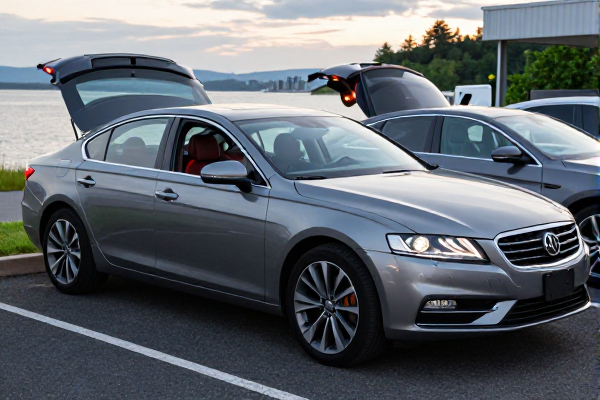
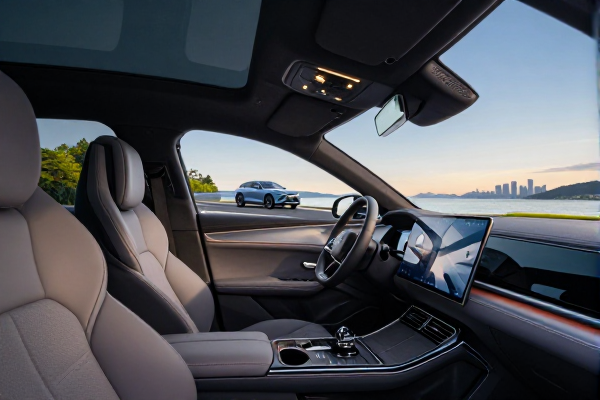
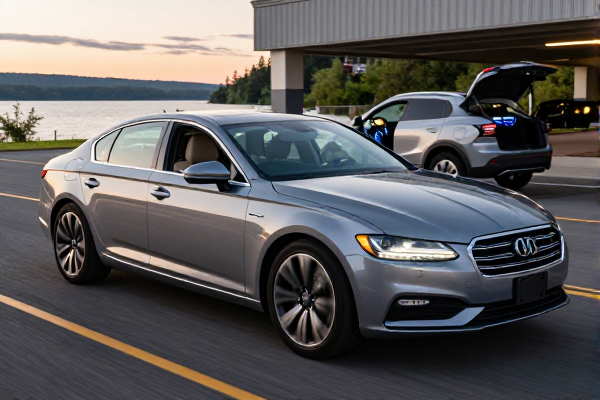
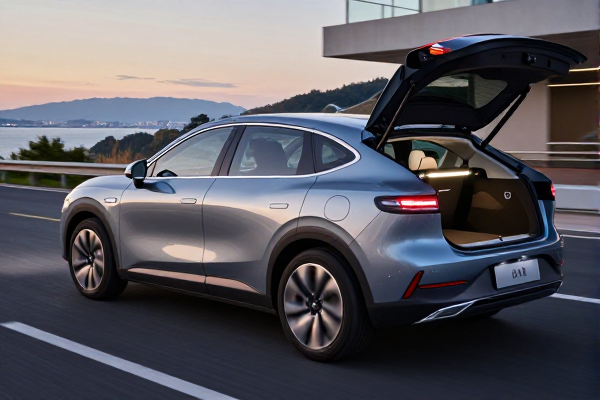
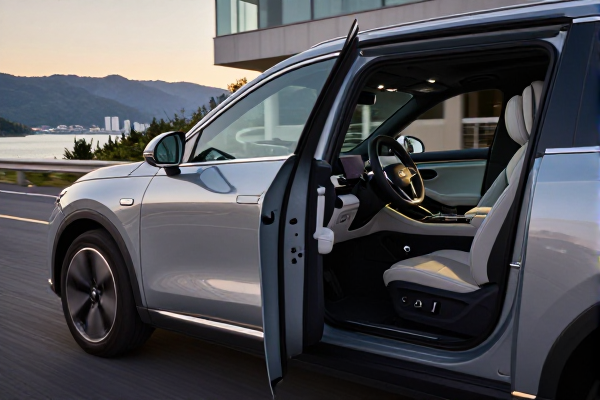
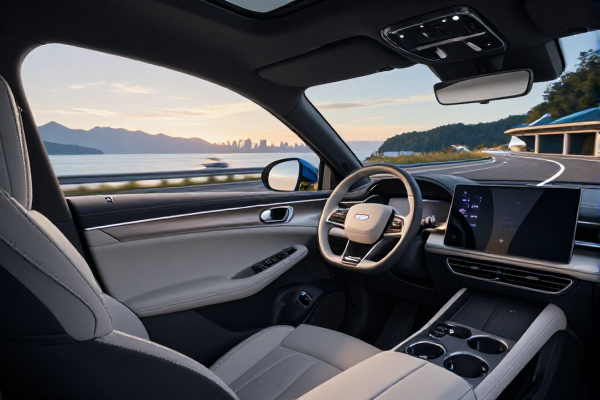
Interior design emerged as the standout category, posting an 11-point year-over-year gain—the largest increase in the study. Owners praised thoughtful enhancements such as redesigned cupholders, better smartphone integration, and more practical center console layouts. Exterior styling and ease of entry/exit each rose by 10 points, highlighting how everyday usability now shapes overall vehicle impressions more than traditional factors like horsepower or flashy aesthetics. This shift reflects a growing consumer focus on livability and convenience in their daily drives.
Surprisingly, brand-new models are no longer guaranteed to deliver a "wow" factor, barely outperforming carryover vehicles by just two points on average—a trend persisting for the fifth year. In the premium segment, new models actually lagged behind carryover ones by three points, while mass-market new models edged ahead by 12 points. Frustrations with complex infotainment systems, initial setup hassles, and unfamiliar tech features are dampening the excitement for owners unveiling the latest versions, suggesting automakers need to refine the onboarding experience.
A telling trend this year is the narrowing gap between premium and mass-market brands. Excluding Tesla, the emotional satisfaction differential has shrunk to 29 points, down from 66 points in 2008. Premium brands no longer dominate areas like infotainment, exterior design, driver-assistance tech, headlight performance, or even the sound of a door closing. Increasingly, owners judge a premium experience by execution quality—such as material finish and seamless integration—rather than the badge alone, pushing mass-market brands to innovate aggressively.
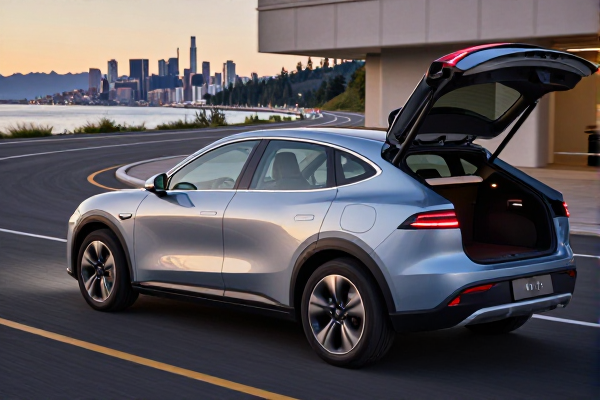
Battery electric vehicles (BEVs) posted the sharpest satisfaction gains, climbing 22 points and outperforming internal combustion vehicles in nearly every category. The widest margin was in powertrain satisfaction, where EVs outscored gas models by a striking 109 points. This suggests that the driving experience—characterized by instant torque and smooth operation—is winning over converts, overshadowing concerns like range anxiety or charging infrastructure. As EV adoption grows, this emotional appeal could accelerate market shifts, with recent data from the International Energy Agency highlighting a 40% year-over-year rise in global EV sales in early 2024, reinforcing the trend.
Porsche retained its top spot among premium brands for the third consecutive year with a score of 896, well above the segment average. MINI led the mass-market field for the third year at 875, followed closely by Hyundai (858) and Kia (857). These rankings reflect sustained excellence in blending performance with practicality, appealing to diverse consumer segments. Industry analysts attribute this to targeted investments in customer feedback loops, with brands like MINI leveraging agile design updates to stay relevant.
BMW AG dominated model-level awards, with six vehicles topping their segments: the X2, X6, 2 Series, 5 Series, 7 Series, and MINI Countryman. Hyundai Motor Group followed with five wins across models like the Palisade and K5, while General Motors secured three awards. The BMW X6 and 7 Series tied as highest-ranking individual models, with the Kia K5 extending its award streak to six years. Exclusive insights from automotive consultancy AutoTrends reveal that these winners often excel in "silent quality" aspects—such as reduced cabin noise and ergonomic controls—which are increasingly prioritized in post-pandemic consumer surveys focusing on comfort and wellness during commutes.
Looking ahead, the convergence of quality and emotional appeal is reshaping automotive competition. As mass-market brands close the satisfaction gap, premium automakers may need to double down on personalized experiences and advanced connectivity to maintain differentiation. The rise of EVs underscores a broader industry pivot toward sustainability and innovation, with JD Power's data hinting at future studies possibly tracking satisfaction in autonomous features. For now, the message is clear: car owners are falling back in love, not just with horsepower, but with thoughtful design that enhances daily life on the road.