Browse

Log in / Register
 Share

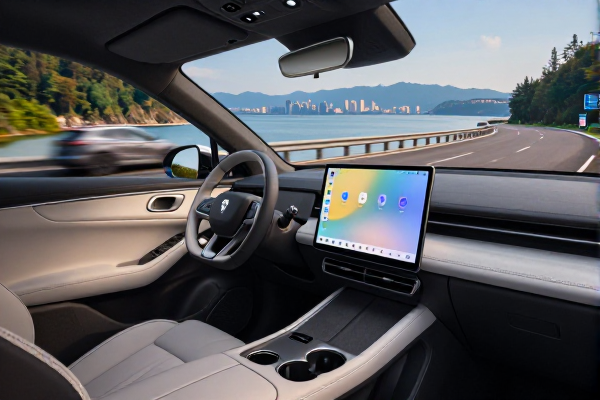
A significant shift is coming to how you consume video content in your vehicle, courtesy of Apple's next major CarPlay overhaul. With the anticipated launch of iOS 27 alongside new iPhones in 2026, a largely under-the-radar feature called "video in car" promises to move video browsing from your phone directly to the vehicle's dashboard display. This update, detailed in recent developer frameworks, marks a pivotal step in Apple's strategy to make the car's native screen a more autonomous entertainment hub. Analysis of the required CarPlay framework updates suggests Apple is pushing for a deeper, more integrated ecosystem that goes beyond simple screen mirroring, a move that could redefine partnerships with automakers.
From Passive Screen to Active Entertainment Portal
The current method for watching videos via CarPlay, introduced with iOS 26, essentially treats your car's display as a dumb external monitor. You must start a video within a supported app on your iPhone and then select the car as an AirPlay destination. The upcoming "video in car" feature in iOS 27 fundamentally changes this dynamic. Once updated, drivers and passengers will be able to browse libraries, select titles, and control playback using menus rendered natively on the car's infotainment screen itself. Your iPhone remains the computational and streaming engine in the background, but the user interface and discovery experience are handed off to the larger, more accessible dashboard display.
Not a Universal Upgrade: The Hardware and Software Hurdle
A critical caveat, and a primary reason for Apple's subdued promotion, is that this feature is not guaranteed for every CarPlay-equipped vehicle. Its functionality is contingent on support from two key parties: the automaker and the app developer. First, the vehicle's own hardware and software must be capable of supporting the new CarPlay frameworks that enable this direct browsing interface. This means owners of older models with CarPlay may be left out unless their manufacturer issues a specific firmware update—a process known for its variability and delays across the auto industry.
Secondly, individual streaming applications must be updated to adopt Apple's new CarPlay video extensions. Services like Netflix, YouTube, Disney+, and Apple TV+ will need to rebuild their CarPlay interfaces to provide the necessary browsing UI and integrate with the vehicle's safety protocols. Developer documentation indicates that apps already supporting AirPlay will have a foundation to build upon, but the transition is not automatic. The pace of adoption will likely depend on user demand and the strategic priorities of each streaming service.
Safety First: Smart Playback Restrictions
In line with growing industry focus on driver distraction prevention, Apple's implementation has built-in safety gates. The system is designed to prevent video playback on the central screen while the vehicle is in motion. Sensors within the car will determine its state, and video will be automatically paused or blocked when driving is detected. However, in a user-friendly compromise, Apple is enabling an audio-only continuation mode. This allows the soundtrack of a video to keep playing through the car's speakers even while driving, seamlessly switching from a visual to an auditory experience.
Exclusive Insight: The Strategic Bet on In-Car Ecosystems
Beyond the convenience factor, this move reveals Apple's long-term bet on the car as a next-generation connected space. By encouraging users to interact with content directly through the car's screen, Apple deepens its integration into the vehicle's architecture. This strategy not only enhances user lock-in but also gives Apple greater leverage in future negotiations with automakers. Industry analysts suggest this could be a precursor to more advanced, vehicle-aware applications that adjust content or interface based on driving conditions, passenger presence, or even biometric data, turning CarPlay from a companion into a core cockpit controller.
The Road Ahead: A Fragmented Rollout
Given these dependencies, the rollout of direct video browsing in CarPlay will almost certainly be fragmented. Early adopters will likely be owners of newer vehicle models from brands with strong existing software update programs (e.g., certain BMW, Ford, or Volvo models) who also use streaming services that are quick to update their apps. For the broader market, access will trickle down slowly. This staged approach explains Apple's current low-key messaging; promoting a feature that many users cannot immediately access could lead to frustration. Instead, Apple seems to be setting the stage with developers and manufacturers first, aiming for a more cohesive experience at a later date.
The "video in car" feature in iOS 27 CarPlay is more than a quality-of-life improvement. It represents a deliberate step toward a future where your car's display is a smart, primary interface for curated content, blurring the lines between your devices and your vehicle. Its success, however, hinges on a complex web of collaboration across the tech and automotive sectors, making its journey to your dashboard as important as the feature itself.