Browse

Log in / Register
 Share


Apple's upcoming iOS 27 release is set to significantly upgrade the in-vehicle experience with a substantial refresh of its CarPlay platform. Announced as part of the latest software developments, this update focuses on enhancing entertainment, intelligence, and integration for drivers and passengers alike. The changes arrive as the automotive and tech industries increasingly converge, with Apple positioning CarPlay as a central hub for the connected car. This report, updated as of August 15, 2024, details the new functionalities and their implications for users.
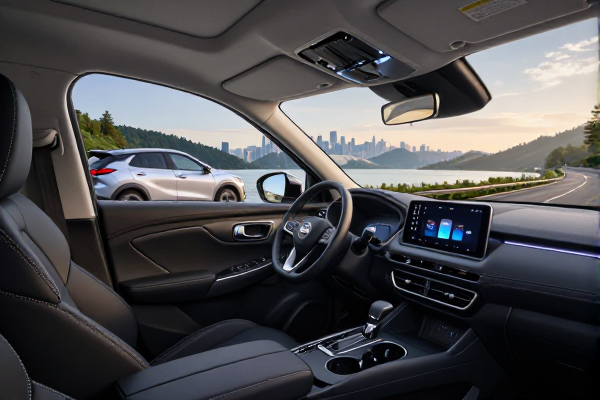
The most visually striking addition is the introduction of video streaming capabilities directly on the car's dashboard display. This feature allows passengers to browse and watch content from supported apps, but with a critical safety lock: video playback is automatically disabled once the vehicle is in motion, seamlessly switching to audio-only to prevent driver distraction. This implementation highlights Apple's cautious approach to in-car media, prioritizing safety while expanding utility during charging stops or waiting periods. Industry analysts note that this move directly competes with similar offerings from Android Automotive and native manufacturer systems, though widespread adoption hinges on automakers enabling the necessary vehicle-level support, which has not yet been announced by any major partner.
Driving the intelligence of the system forward is the integration of the more advanced Siri AI. This iteration, which requires an iPhone compatible with Apple Intelligence, enables more natural, context-aware conversations for hands-free control. Users can manage complex tasks, retrieve information, and control apps using conversational language. A seamless sync feature ensures that any dialogue started with Siri in CarPlay can be continued later on the paired iPhone, creating a fluid cross-device experience. This deepens the ecosystem lock-in and represents Apple's bet on ambient, voice-first computing extending into the driving environment.
For audio enthusiasts, the update refines the listening experience. A new persistent mini-player now resides in the corner of compatible audio and media apps, showing album art and providing quick playback controls without leaving the main screen. Furthermore, the 'Now Playing' interface has been enhanced with a precise progress bar, allowing users to skip to exact moments in podcasts, audiobooks, or songs—a small but significant usability win for long-form content consumers during commutes.
Aesthetic personalization receives attention with a fresh set of iOS 27-branded wallpapers, specifically formatted for car displays. The collection features 14 wave-style designs in various colors, aiming to make the interface more visually appealing. The system-wide design language also sees tweaks, with larger, interactive content thumbnails and updated "Liquid Glass" icons for core apps like Maps and Weather, contributing to a more modern and cohesive look.
Perhaps one of the most practical upgrades for modern drivers, especially electric vehicle owners, is enhanced route data sharing. Navigation apps like Apple Maps and Google Maps can now communicate detailed route information—including planned EV charging stops—directly to the vehicle's systems. The car can then cross-reference this route with its current battery range and proactively suggest optimal charging locations, alleviating range anxiety and simplifying trip planning for electric journeys.
Under the hood, Apple promises tangible improvements in core system performance. Wireless CarPlay connections are touted to be more stable and reliable in iOS 27, addressing a common pain point for users. Additionally, advancements in GPS location accuracy and navigation heading detection should lead to more precise turn-by-turn directions and better overall mapping performance, especially in dense urban areas.
Expanding accessibility and control, Apple has introduced a standardized voice control template that all app categories can now integrate. This provides a consistent framework for developers to build voice-activated features, making it easier to interact with a wider array of CarPlay apps without taking hands off the wheel. This move standardizes what was previously an inconsistent experience across different applications.
Complementing the voice control push are natural language improvements within Apple Maps on CarPlay. Users can now employ conversational phrases to modify navigation settings, such as asking Siri to "find a route that avoids tolls and highways." This makes interacting with the navigation system more intuitive and reduces the cognitive load on the driver.
It is important to note that accessing these new features requires an iPhone running iOS 27. The most advanced capabilities, particularly the new Siri AI, are exclusive to iPhone models that support Apple Intelligence, currently the iPhone 15 Pro and later models. This continues Apple's trend of leveraging major OS updates to drive hardware upgrade cycles, even within the car's digital ecosystem.
Exclusive Perspective & Industry Context: This CarPlay overhaul arrives amidst persistent rumors of Apple's own automotive project, "Titan." While the company's car plans remain shrouded in secrecy, the aggressive enhancement of CarPlay can be seen as a strategic hedge and a platform play. By deeply integrating the iPhone experience into vehicles from multiple manufacturers, Apple secures a dominant position in the car's digital dashboard regardless of its own hardware ambitions. Furthermore, the emphasis on EV route planning and vehicle system data exchange suggests Apple is building deeper partnerships with automakers, potentially laying the groundwork for more integrated vehicle functions in future iterations, moving beyond simple projection to a more symbiotic relationship between phone and car.