Browse

Log in / Register
 Share

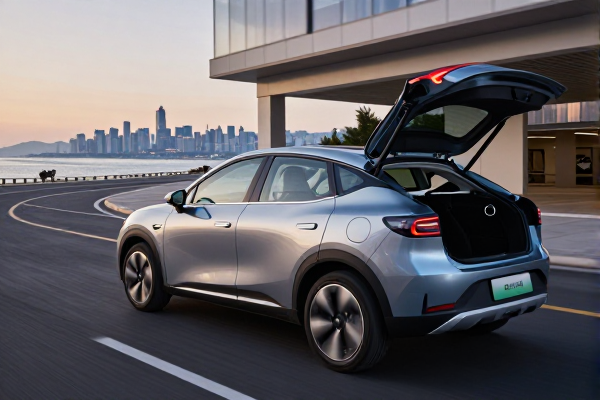
New Delhi, June 25 — As India accelerates its transition to electric vehicles (EVs), energy and policy experts are framing the shift as a critical national strategy with implications far beyond clean transportation. The move is increasingly seen as a cornerstone for achieving energy independence, reducing pollution, and stimulating sustainable economic growth, offering a potential blueprint for other developing economies.
The urgency for action is palpable. Drawing parallels with the rapid adoption seen in China and parts of Europe, analysts warn that India’s current growth phase presents a finite window of opportunity. To capitalize on it, they advocate for targeted, geography-specific mandates. For instance, a proposal to fully electrify commercial vehicle fleets in Delhi by 2030 could serve as a scalable proof-of-concept before a nationwide rollout.
“India’s strategic imperative must be to prioritize electrons over molecules,” stated Dr. Debajit Palit, Centre Head for Climate Change and Energy Transition at CRF. He emphasized that while the country remains heavily reliant on imported oil and gas (its “molecules”), electricity (“electrons”) can be generated and progressively greened using domestic renewable resources like solar and wind. “Electrifying transport isn't just a sectoral policy; it's a direct path to greater energy security and a cleaner environment,” Dr. Palit added, highlighting the dual benefits.
A significant portion of the discussion has pivoted toward the often-overlooked heavy transport sector. Experts argue that freight electrification deserves policy and financial attention equal to that given to passenger cars. The primary barrier, they note, isn't a lack of capital but rather gaps in the financing architecture and the ecosystem's ability to absorb and deploy investment effectively.
Financing the Transition: Moving Beyond Subsidies
The financial landscape for India's EV ambitions was a central theme, underscored by the launch of two key reports from CRF. These publications, including one titled “Financing India's EV Transition: Beyond Subsidies Towards a Bankable Ecosystem,” argue that while initial subsidies were crucial for kickstarting the market, long-term success requires building a commercially viable investment ecosystem.
Panelists pointed to a persistent “confidence gap” among traditional financial institutions. Many segments of the EV value chain, from charging infrastructure startups to commercial fleet operators, are not yet considered fully bankable under conventional risk models. Closing this gap, they suggested, will require demonstrably stronger business models and innovative financial instruments.
One promising model gaining traction is a shift from capital expenditure (capex) to total expenditure (totex) approaches, particularly in the electric bus sector. This model, which focuses on the lifetime cost of ownership rather than the high upfront purchase price, has been instrumental in enabling large-scale deployments. Leasing models are also being explored as a more viable alternative to traditional ownership, reducing the initial financial burden on operators and accelerating adoption.
Infrastructure and Integration: The Next Frontier
Beyond financing, practical challenges around infrastructure and coordination remain steep. Current EV adoption is not only low but also unevenly distributed across the country. The interlinked issues of charging infrastructure deployment, “range anxiety” among consumers, and grid capacity constraints require holistic solutions.
A proposed “hub model” aims to address these by strategically triangulating data on common mobility patterns, optimal physical locations, and local grid capacity. This data-driven approach seeks to maximize charger utilization rates and improve the bankability of infrastructure projects. Discussions also stressed the need for greater policy clarity and seamless integration between transport and power sectors to unlock investment and accelerate build-out.
A Global Perspective: Lessons and Opportunities
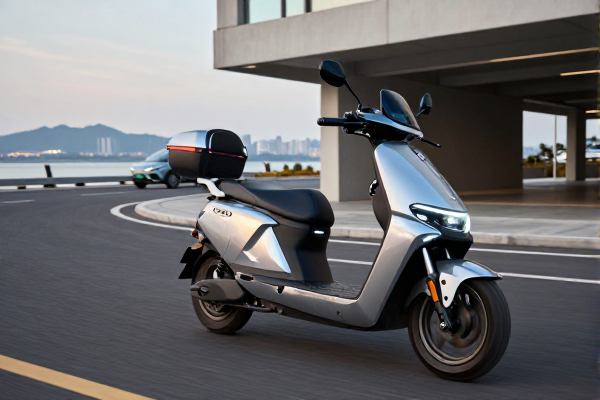
For international observers, particularly in markets like the United States, India’s EV journey presents a unique case study. It demonstrates how a large, developing nation with distinct economic and infrastructural challenges is attempting to leapfrog legacy automotive systems. The focus on two- and three-wheelers—a dominant mode of transport in India—alongside commercial vehicles, offers different pathways to electrification compared to the West's car-centric approach.
Furthermore, India’s push to green its electron supply concurrently with transport electrification highlights a systemic approach to decarbonization. The country's experience in crafting financing models for emerging technologies and integrating distributed renewable energy with new demand centers provides valuable insights for global climate finance and energy transition strategies.
The analysis is based on proceedings from a recent expert dialogue in New Delhi. The path forward for India's EV sector appears to hinge on synchronized efforts in policy, finance, and infrastructure, positioning it as a key test case for sustainable development in the Global South.