Browse

Log in / Register
 Share


As winter tightens its grip across much of the United States, millions of drivers wake up to a familiar sight: a frosty windshield that delays the morning commute. With temperatures plunging into single digits in the Midwest and Northeast this week, ice-covered glass has become a common frustration – and a legal risk.
February 20, 2025 – The National Weather Service forecasts another round of Arctic air moving through the Plains and Great Lakes, dropping wind chills to -20°F in some areas. When moisture meets freezing glass, windshields can ice over in minutes, reducing visibility and creating a hazard for everyone on the road.
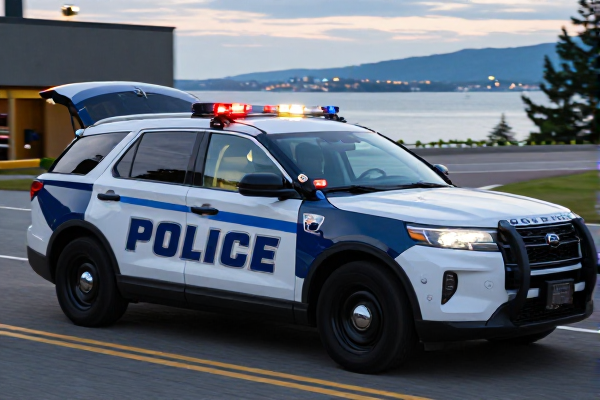
Driving with an icy windshield is not just dangerous – it’s illegal. In many states, police can issue citations for obstructed view violations. For example, Pennsylvania’s “clear-snow” law imposes fines of up to $75 for failing to clear ice and snow from your vehicle. New Jersey and New York have similar penalties, with some fines reaching $150. In 2024, a driver in Connecticut was ticketed $120 for driving with a partially frozen windshield.
So, what’s the best way to get your windshield clear quickly without damaging it?
AAA’s expert advice: Plan ahead and use the right tools
The American Automobile Association (AAA) recommends starting the night before. “Parking in a garage or under a carport is the single best way to avoid frost buildup,” says John Paul, AAA’s senior manager of traffic safety. If that’s not possible, a simple windshield cover or even a heavy-duty tarp can save you scraping time in the morning.
Step-by-step: The safe defrosting method
If you wake up to a frozen windshield, follow these steps:
Start the engine and turn on the defroster – but don’t blast the heat. Set the temperature to warm, not hot, and direct the air toward the windshield. Turn on the rear defroster and heated mirrors, if available. This gradually raises the glass temperature and melts the ice.
Use a plastic scraper, not a metal one. Metal scrapers can scratch the glass. AAA recommends a long-handled ice scraper with a brush on the other end to sweep away snow.
Never pour hot water on the windshield. The sudden temperature change can cause the glass to crack. “We see this every winter – people crack their windshields by using boiling water,” says Paul. “Stick with warm water at most, but even that is risky if the glass is cold.”
Use a commercial de-icer spray. These products are formulated to melt ice quickly without damaging the glass or paint. You can also make your own DIY mix: three parts vinegar to one part water, sprayed on the night before to prevent ice from forming.
Turn off the windshield wipers before starting the car. If the wipers are frozen to the glass, forcing them can rip the rubber blade or even burn out the motor. Gently lift them after the ice melts.
Clear all windows, mirrors, and headlights. The law requires full visibility. Don’t forget the rear window and side mirrors.
What about “quick fixes”?
Social media is full of hacks – rubbing a potato on the glass, using a credit card, or pouring vodka over the windshield. AAA advises against these. “A potato can leave a residue that attracts dirt, and vodka is expensive and not as effective as a proper de-icer,” says Paul. “Stick to proven methods that won’t damage your car.”
A new twist: EVs and remote start features
Many modern electric vehicles and hybrids have a “precondition” feature that can be activated via a smartphone app. Owners can schedule the cabin heater to turn on 15 minutes before departure, warming the windshield from inside. This is especially useful for battery-powered cars, where idling to defrost can drain range. If your car has this, use it – it’s the most efficient and safest way.
Don’t drive until it’s clear
Even if you’re running late, resist the temptation to drive with just a peephole cleared. Ice can refreeze while driving, especially at highway speeds, and pieces can fly off and hit other vehicles. AAA notes that following a few extra minutes of planning can save you a ticket, a crash, or a cracked windshield.
Bottom line: plan ahead, use the right tools, and never cut corners. Your morning commute – and your wallet – will thank you.
For more winter driving tips, visit AAA’s official website or check your local state’s snow removal laws.