Browse

Log in / Register
 Share


April 28, 2026 — Hyundai’s sub-4m electric SUV was spotted on Chennai roads once again, this time wearing a fresh camouflage wrap. The compact EV, which Hyundai Motor India has already confirmed for a domestic launch in Q1 2027, continues to look substantially different from any of the brand’s existing electric models, and the latest test run offers a few more clues ahead of its official debut.
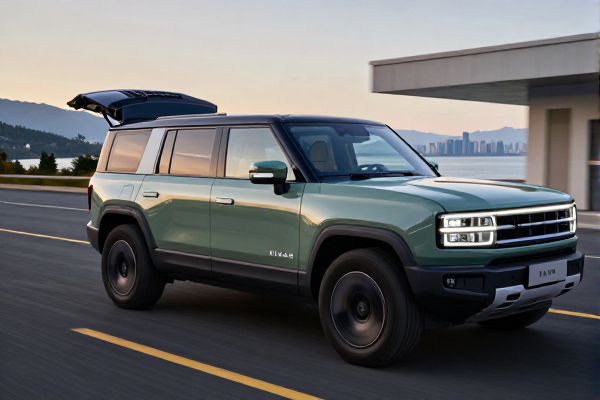
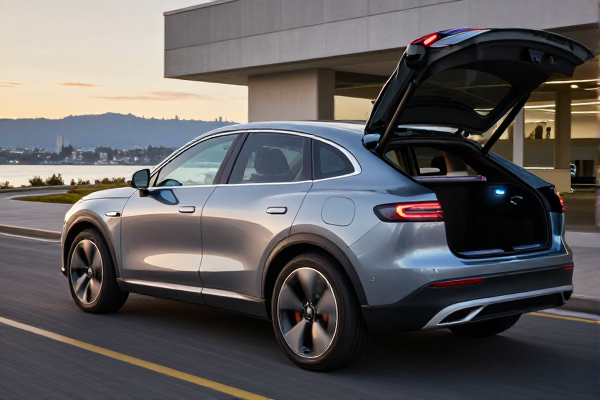
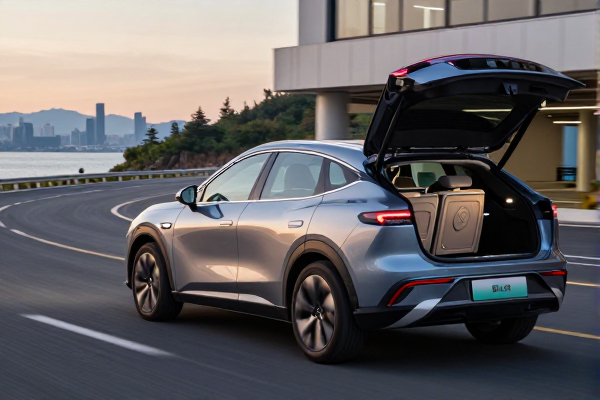
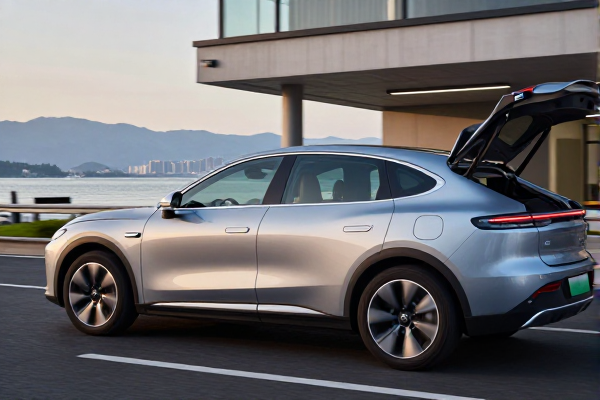
The new sighting shows a test prototype with the same upright, boxy stance that was captured in earlier spy shots. That squared-off body is hardly a stylistic accident – it usually pays off in greater headroom and a more usable cargo bay, both of which matter when a vehicle has to keep its total length below four metres. The latest images also show dual-tone alloy wheels and small camera housings that suggest a 360-degree surround-view system is part of the package. Interestingly, the headlight graphics on this mule look different from those seen in the previous sighting, hinting that Hyundai may be playing with variant-specific lighting designs before locking the production look.
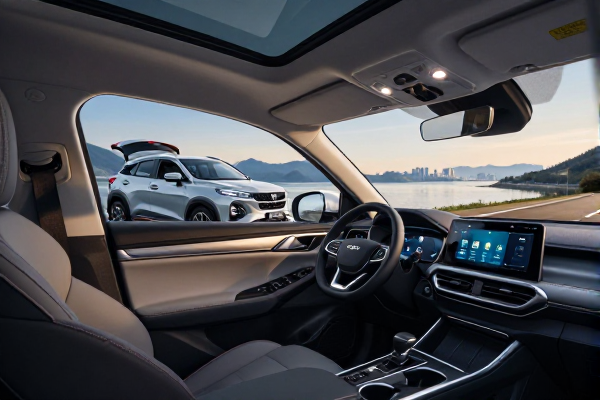
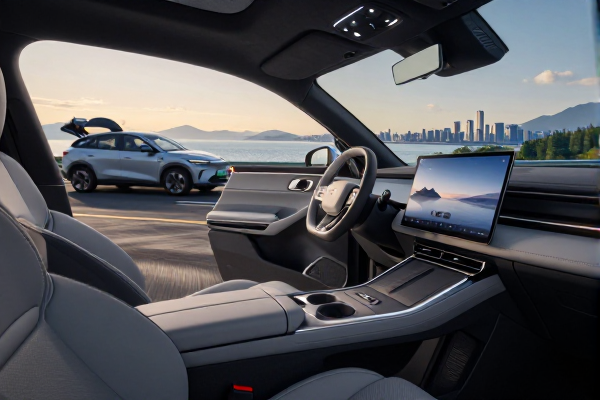
Inside, the prototype’s dashboard is clearly built around a two-screen layout. The centre stack features a large Pleos Connect infotainment display, while a slim driver-oriented screen sits behind the steering wheel. Most interior panels remain hidden under covers, but the layout strongly indicates that Hyundai intends to keep its cabin in tune with the newer digital-first models. What has been disclosed more confidently is the safety side: the sub-4m EV is already known to be equipped with Level 2 ADAS. That makes it one of the earliest sub-4m EVs in India to offer such driver assistance features, a meaningful advantage in a category where buyers have often been forced to accept basic safety tech.
The charging story is also becoming clearer. In a previous outing, the test car was photographed parked next to a 120 kW DC fast charger. Although Hyundai has not confirmed the final charging rate, the fact that the prototype was seen at a high-capacity station suggests its onboard hardware should be able to handle more than 60 kW. If a production version can hold close to that level, it would give the compact EV a real edge over several affordable electric cars currently limited to slower AC and modest DC charging.
Mechanically, most expectations point toward shared underpinnings with the Kia Syros EV. That would likely translate into two NMC battery pack choices. The smaller 42 kWh unit is expected to produce around 135 bhp and 255 Nm, while the larger 51 kWh pack should be good for about 170 bhp at the same torque figure. The 42 kWh variant would be a natural starting point for urban commuters, while the bigger battery should appeal to buyers who want the confidence to take the car on longer highway drives. Since the Kia Syros EV comes with a lifetime warranty on its battery pack, the Hyundai version is widely expected to follow the same ownership promise as a way of lowering range anxiety in the segment.
Use of a dedicated EV architecture, rather than an adapted ICE model, is another major talking point for this model. A ground-up electric platform normally allows for a flat floor and a more efficient overall package, which is why the Hyundai sub-4m EV could offer more interior space than its size suggests. Expected comfort features include a panoramic glass roof and ventilated front seats. Rear-seat room should also be generous for the class, giving the small SUV a surprisingly practical feel for something designed around a tight footprint.
Pricing will be one of the biggest factors in how well this model is received. The Tata Punch EV currently dominates the small electric SUV segment in India, but it is built on a platform shared with an internal-combustion model. Hyundai’s purpose-built approach could provide structural advantages and better packaging, though it also means the company has to control costs carefully. If Hyundai can position this sub-4m EV close to the established price band of India’s small electric SUVs, it may quickly become a serious alternative to models that have had the market largely to themselves so far.
From a global perspective, this small EV matters far beyond India. Hyundai’s push to make a genuine electric car in the sub-4m space is an exercise in cost engineering as much as product development. Lessons learned from fitting a battery pack, electric motor, thermal management and advanced driver assistance tech into such a compact body could influence how Hyundai builds accessible urban EVs in other markets. Even though the sub-4m format is not intended for North America, the manufacturing and packaging solutions developed for this model could shape the brand’s future entry-level electric vehicles worldwide.
The Q1 2027 launch window is now confirmed, but more details are still under wraps. Hyundai had previously said that it is accelerating its EV lineup in India, and the sub-4m model is expected to serve as a critical entry point for new buyers moving from petrol-powered small cars. With every fresh sighting, the compact SUV moves a step closer to production, and the Chennai test runs suggest that final validation is well underway.
What remains unknown are the official range figures, the exact charging curve, and final pricing structure. Those details will almost certainly stay strategic secrets until the corporate reveal, likely later this year or early next. Until then, Hyundai’s smallest electric SUV continues to generate exactly the kind of attention the company would want: repeated spy sightings that reinforce the message that an affordable, capable, sub-4m EV is on its way.