Browse

Log in / Register
 Share


Hyundai Motor Europe has unveiled an ambitious strategy to release five all-new models within the next 18 months, with every vehicle in its European lineup offering an electrified powertrain option by 2027. Announced on July 19, 2024, this move underscores Hyundai's commitment to accelerating its electric vehicle (EV) transition amid growing global demand for sustainable mobility. The plan, revealed by company executives at a recent industry event, aims to refresh Hyundai's entire portfolio, positioning the brand as a key player in the competitive EV market.
The product offensive will include two new hatchbacks and three new SUVs, starting with the highly anticipated Hyundai Ioniq 3. This model not only debuts Hyundai's "art of steel" design language but also introduces the Pleos Connect infotainment system, an Android-based platform with configurable shortcuts and intelligent charging features. Other expected models, such as updates to the i20, Kona, Bayon, and Tucson, will further diversify Hyundai's offerings, catering to varied consumer preferences across Europe and potentially influencing global rollouts.
A core focus of Hyundai's strategy is enhancing its plug-in hybrid (PHEV) technology to compete with rivals like Volkswagen and emerging brands such as Omoda. Currently, Hyundai's PHEVs lag in pure electric range, but executives have confirmed plans to optimize battery capacity beyond the existing 17kWh units. This upgrade is critical for meeting stringent EU emissions targets of 50g/km of CO2 per car by 2030, ensuring Hyundai remains compliant and competitive in a rapidly evolving regulatory landscape.
In the long term, Hyundai is developing a new EV platform to succeed the current E-GMP architecture, though details on faster 900V charging or LFP battery adoption remain speculative. According to Hyundai's R&D head, the brand will continue to refine its lithium-ion NMC battery technology, balancing cost and weight considerations while leveraging its established supply chain in Korea. This approach contrasts with trends from brands like Renault and Mercedes, highlighting Hyundai's pragmatic, innovation-driven philosophy.
Hyundai's recent sales performance bolsters this aggressive roadmap. In 2025, the company reported a 24% increase in electrified vehicle sales across Europe, with over 600,000 passenger cars sold and market share rising to 4.2%. Models like the Ioniq 5, Ioniq 6, and Tucson PHEV have driven this growth, reflecting strong consumer interest. Hyundai Europe CEO Xavier Martinet emphasized that this success stems from targeted investments and close collaboration with dealer partners to align with European customer demands.
Exclusive analysis reveals that Hyundai's strategy may face challenges from US market dynamics, where EV adoption rates vary by region. While not directly addressed in the European announcement, industry experts note that Hyundai's global electrification push could benefit from lessons learned in competitive markets like China, where brands such as BYD lead in affordability. By integrating cost-effective technologies and expanding its N performance line, Hyundai aims to offer a balanced mix of performance and accessibility, potentially setting a benchmark for mass-market EV adoption.
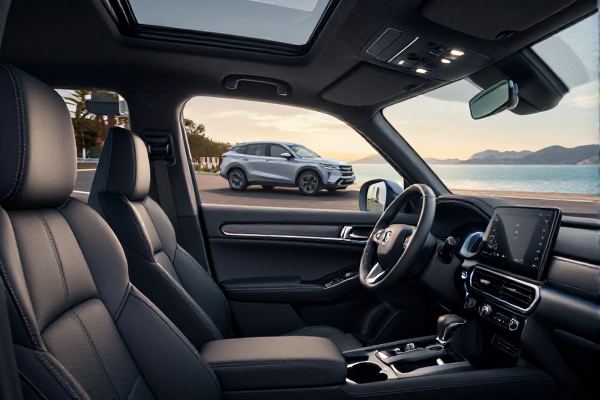
The Ioniq 3 serves as a showcase for Hyundai's future design and technological direction, featuring an intuitive infotainment system reminiscent of Tesla's interface, with physical controls for key functions like air conditioning. Early test drives indicate that the system enhances user experience through customizable displays and efficient navigation, marking a significant improvement over previous Hyundai models. This focus on driver-centric innovation aligns with broader industry shifts toward seamless digital integration in vehicles.
As Hyundai prepares for these launches, the brand's emphasis on electrification reflects a broader industry trend toward sustainability and innovation. With the Paris Motor Show expected to feature major reveals later this year, consumers and analysts alike are watching closely to see how Hyundai's plans unfold. The company's grounded, yet ambitious, approach suggests a calculated effort to lead in the EV space without overextending, ensuring long-term relevance in a transformative automotive era.