Browse

Log in / Register
 Share

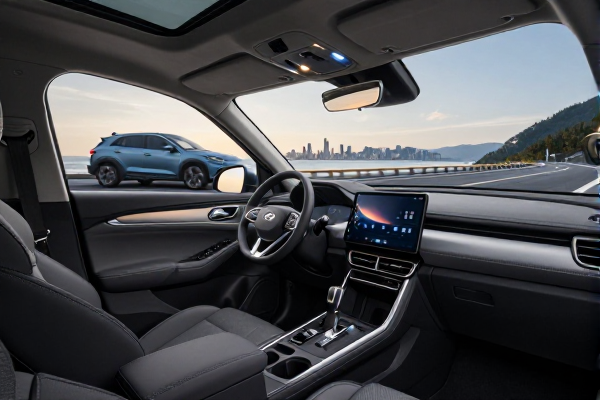
The electric vehicle landscape welcomes a significant new contender with the anticipated arrival of the Hyundai Creta Electric. As automakers rapidly expand their zero-emission portfolios, this model aims to translate the popular Creta SUV's success into the EV segment. We've analyzed available data and early insights to provide a detailed look at what potential buyers can expect from its performance, comfort, and technology. This review, dated May 23, 2024, synthesizes the latest information on this key model for Hyundai's electrified future.
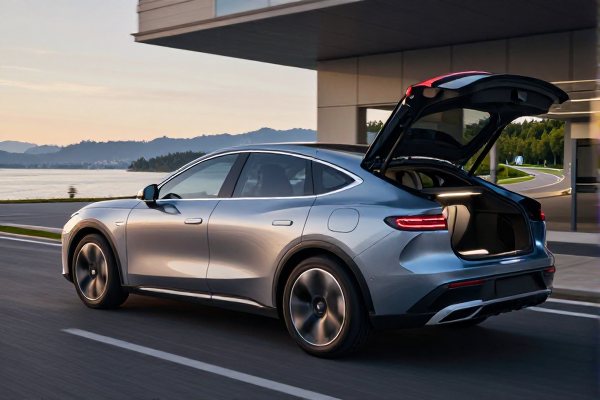
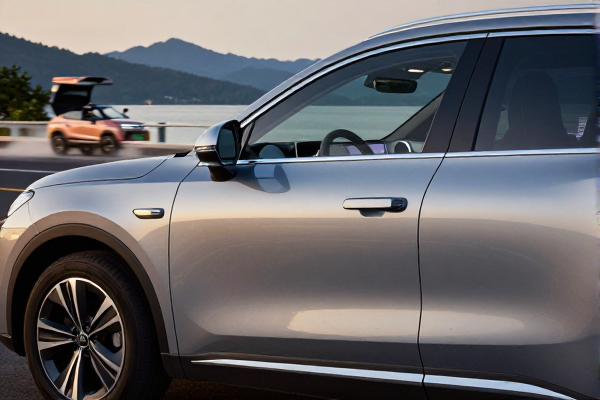
Design and Exterior Presence Moving beyond its combustion-engine sibling, the Creta Electric is expected to feature distinct styling cues that signal its electric powertrain. Anticipated changes include a sealed front grille for improved aerodynamics, revised bumper designs, and unique alloy wheels. The overall silhouette will likely retain the Creta’s recognizable and well-proportioned SUV shape, ensuring it remains a familiar yet modern presence on the road. Specific lighting signatures, possibly with LED elements, are predicted to further differentiate the EV variant.
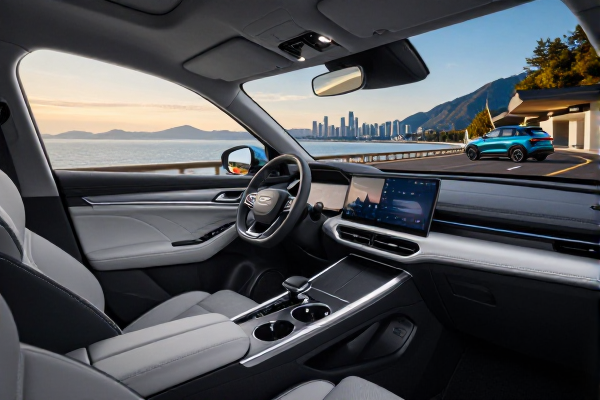
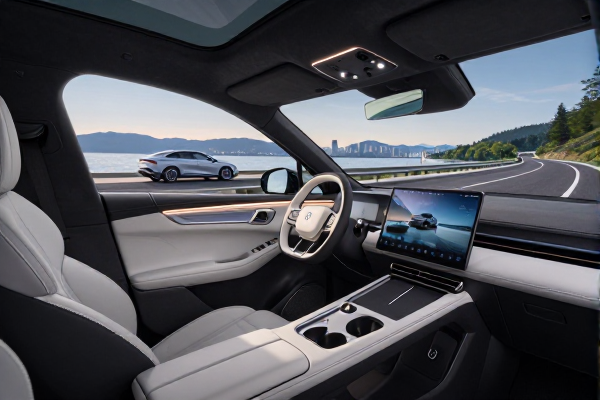
Interior Space, Comfort, and Cabin Technology Inside, the Creta Electric should offer a familiar yet upgraded cabin environment. Key focus areas will be space utilization and a serene driving experience inherent to electric vehicles. Expect generous passenger room and a versatile boot space, comparable to the standard model. The dashboard is likely to be dominated by a large touchscreen infotainment system, compatible with wireless Apple CarPlay and Android Auto, and a fully digital driver's display. Premium materials, enhanced noise insulation, and ventilated front seats could be part of the package to elevate comfort.
Performance and Driving Dynamics The core of the Creta Electric experience lies in its powertrain. While official specs are pending, it is projected to utilize a front-axle-mounted electric motor paired with a sizable battery pack. Power output is estimated to be competitive, providing instant torque for confident city driving and highway merging. The driving character should emphasize smoothness and refinement, with multiple regenerative braking modes allowing drivers to tailor the one-pedal driving feel to their preference. Handling is expected to be composed, benefiting from the low center of gravity provided by the floor-mounted battery.
Range, Charging, and Practicality Range anxiety remains a primary concern for EV buyers. The Hyundai Creta Electric’s official range estimate is highly anticipated and will be a crucial deciding factor. Early projections suggest a range sufficient for most daily commutes and weekend trips. Support for DC fast charging will be essential, potentially enabling a 10-80% charge in under an hour, while standard AC charging will cater to overnight home charging. Real-world efficiency will depend on driving style, climate control use, and terrain.
Feature Set and Safety Hyundai is known for packing its vehicles with features, and the Creta Electric should be no exception. Beyond the connected car tech, expect a comprehensive suite including a premium audio system, wireless phone charging, a panoramic sunroof, and automatic climate control. On the safety front, it will likely come equipped with six airbags, ESC, and a robust chassis. Advanced Driver Assistance Systems (ADAS) featuring lane-keeping assist, adaptive cruise control, and autonomous emergency braking are strongly anticipated, aiming for a high safety rating.
Market Context and Competitive Landscape The Creta Electric enters a bustling market segment. Its success will depend on its final pricing, range, and how it stacks up against rivals like the upcoming Tata Curvv EV, the MG ZS EV, and potentially more affordable Chinese imports. Hyundai's strong brand reputation for quality and extensive service network could be significant advantages. A compelling value proposition—balancing price, features, and range—will be key to capturing market share in the competitive electric SUV space.
Exclusive Perspective: The Strategic Importance for Hyundai Beyond being another EV, the Creta Electric represents a critical strategic pillar for Hyundai. The standard Creta is a perennial best-seller, and its electrification directly targets the heart of the volume market. Success here could accelerate the mainstream adoption of EVs more than any niche luxury model could. Hyundai's strategy appears to be leveraging trusted nameplates to ease consumer transition to electrification, reducing perceived risk. The performance and reception of the Creta Electric will serve as a major indicator of consumer readiness for electric mobility in the high-volume SUV segment, influencing not just Hyundai's but the entire industry's future product planning.
Preliminary Verdict Based on available analysis, the Hyundai Creta Electric shapes up to be a promising and pragmatic electric SUV. It aims to combine the practical, family-friendly attributes of the popular Creta with the quiet, efficient, and instant-response benefits of an electric powertrain. While the final verdict awaits official details on pricing and confirmed specifications, its potential to offer a familiar package with zero-tailpipe emissions could make it a compelling choice for those looking to make the switch to electric without venturing into unknown territory.