Browse

Log in / Register
 Share

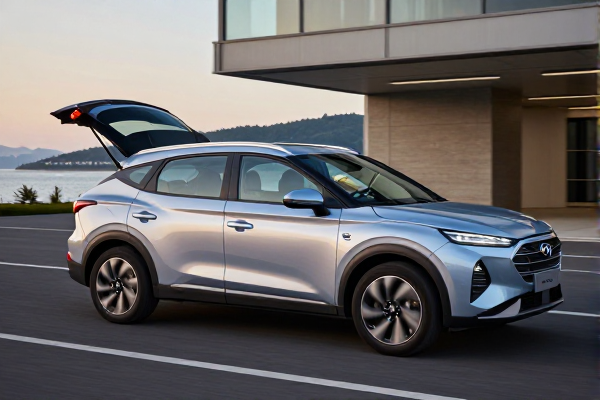
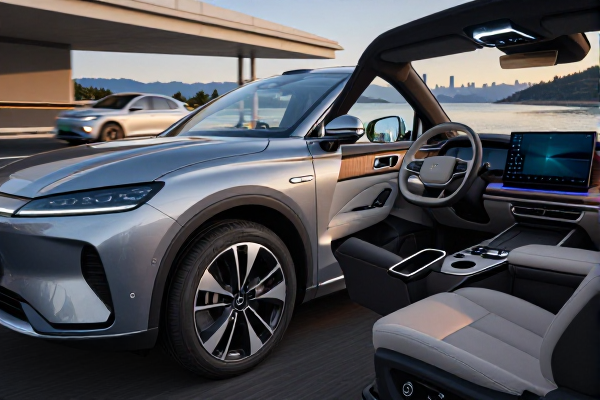
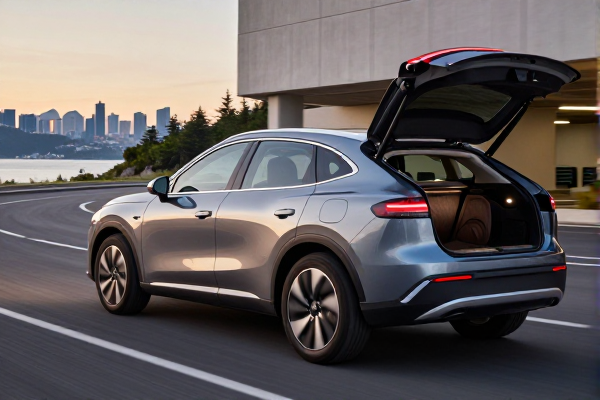
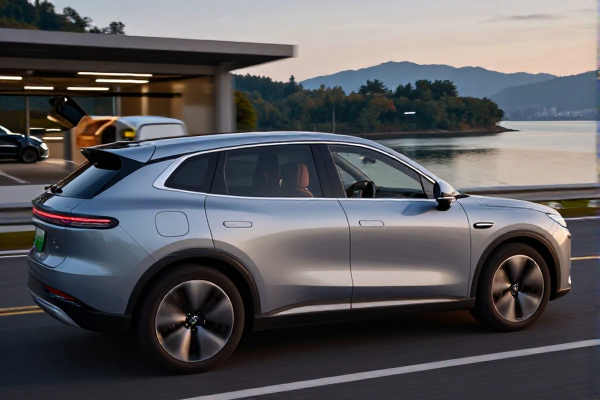
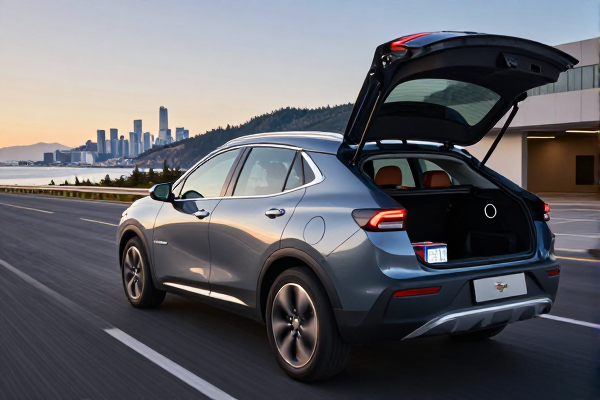
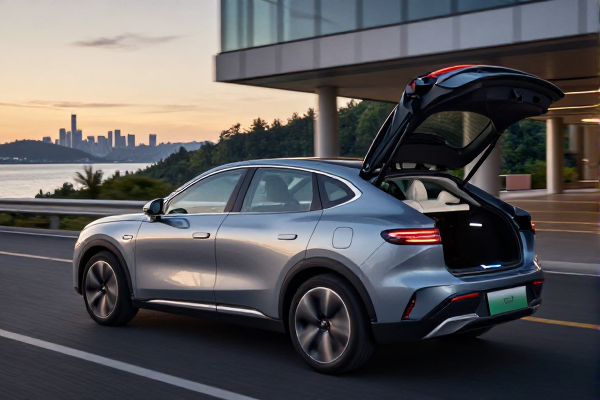
Hyundai Motor India has publicly locked in the name of its next-generation subcompact SUV – the Hyundai Bayon. While the model is currently positioned for the Indian market, the nameplate’s confirmation raises a pressing question for North American buyers: could the Bayon cross the Pacific and join Hyundai’s U.S. lineup?
The announcement, made on [insert date – e.g., March 31, 2025], marks the first concrete step in Hyundai’s plan to expand its SUV family under a fresh design and technology banner. The Bayon is described as an “intelligent model” aimed at a new generation of customers, blending the brand’s global styling cues with a localized approach for India. But with Hyundai’s U.S. portfolio currently missing a true entry-level crossover below the Kona, the Bayon’s arrival in America isn’t just a rumor – it’s a strategic possibility.
Hyundai’s official statement emphasizes that the Bayon represents “technology, design and innovation” under its intelligent mobility vision. The SUV has been developed around Hyundai’s global design and product philosophy, but tailored specifically for the evolving Indian market. This parallel development path mirrors what the Korean automaker has done with models like the Venue and the Creta – both of which eventually found their way to other global markets, though not always the U.S.
Full specifications for the India-spec Bayon remain under wraps. Powertrain details, dimensions, feature list, trim levels, and pricing are expected closer to its local launch. However, given Hyundai’s recent emphasis on electrified options in North America, a U.S. Bayon could potentially arrive with a hybrid or even an all-electric variant – something the Indian version may not initially offer.
The name “Bayon” is derived from Bayonne, a historic city in the French Basque Country. Hyundai notes that Bayonne is known for its distinctive character and dynamic spirit – qualities the automaker wants to reflect in the SUV’s sense of adventure. This naming choice also ties into Hyundai’s broader global design language, which often uses European city names for models (e.g., “Santa Fe,” “Tucson,” “Kona”).
Branding experts see this as a deliberate move to give the Bayon a cosmopolitan, adventurous image that could work in multiple regions. “Hyundai has proven that names like Palisade and Tucson resonate well internationally,” says Michael Dunne, founder of Dunne Insights and a longtime Asia auto analyst. “The Bayon moniker is short, modern, and easy to remember – a strong candidate for a global nameplate if the company decides to export it.”
A short teaser film released alongside the name confirmation offers a glimpse into the Bayon’s design philosophy. Set in a futuristic lab-like environment, the video shows intelligent elements converging to spell out “BAYON.” The campaign concludes with the tagline “Intelligence ON,” signaling that advanced technology and connectivity will be central to the Bayon’s appeal.
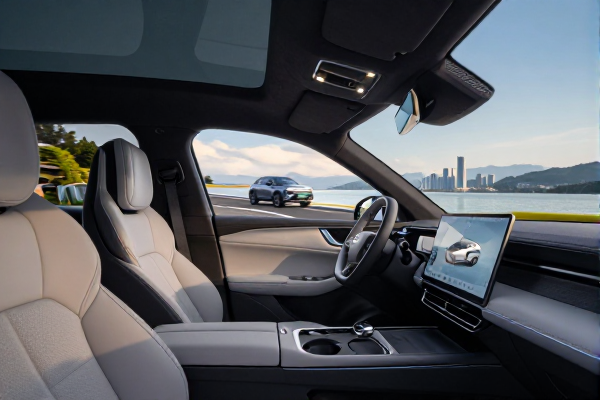
For the U.S. market, this focus on intelligence could mean features like over-the-air updates, advanced driver-assistance systems, and seamless smartphone integration – all of which have become table stakes in the competitive compact crossover segment. Hyundai has been a leader in value-tech packaging, and a Bayon for America would likely carry that DNA forward.
While Hyundai Motor India has not confirmed any export plans for the Bayon, the model’s timing is intriguing. The U.S. subcompact crossover segment is growing rapidly, with models like the Chevrolet Trax, Nissan Kicks, and Hyundai’s own Kona competing fiercely. A smaller, more affordable Bayon would slot below the Kona, potentially starting in the low $20,000s – a price point that few mainstream automakers currently serve.
Industry insiders suggest that a global version of the Bayon – based on Hyundai’s corporate K1/S1 platform – could easily be adapted for U.S. regulations. “The development cost of a U.S.-compliant variant is not prohibitive if the volume justifies it,” notes Sam Fiorani, vice president of global vehicle forecasting at AutoForecast Solutions. “Hyundai has shown interest in expanding its footprint in the low-cost SUV space, and the Bayon could be the perfect candidate.”
Hyundai already produces vehicles for the North American market in Alabama, and whether the Bayon would be imported or locally built remains an open question. However, given the ongoing tensions over trade tariffs, a localized assembly could become a deciding factor.
Hyundai has promised that additional information about the Bayon – including its design details, technology features, and powertrain options – will be shared in the near future. For U.S. enthusiasts, the key date to watch is when Hyundai Global makes a statement about the model’s international availability.
In the meantime, the Bayon name confirmation signals a continuation of Hyundai’s rapid SUV expansion worldwide. With the brand already offering everything from the Venue to the Palisade, adding a stylish, tech-forward subcompact crossover could help it capture even more buyers seeking a modern, intelligent vehicle without the premium price tag.
The Hyundai Bayon nameplate is now official – but its story is only beginning. Originally tailored for India, the model’s global design and European-inspired name hint at broader ambitions. For the American market, the Bayon could represent the missing piece in Hyundai’s SUV lineup: a subcompact that combines intelligence, style, and affordability. As more information emerges, all eyes will be on whether this French-named crossover makes its way to American roads.