Browse

Log in / Register
 Share

Updated: April 27, 2026
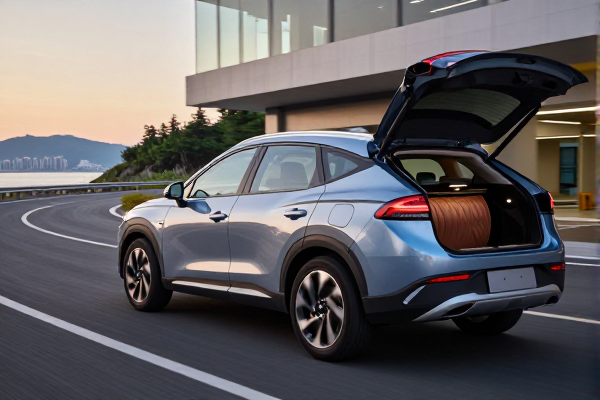
Hyundai India took the wraps off the Bayon compact SUV on October 26, 2025, and in the same announcement confirmed almost every technical detail buyers had been waiting for. The Bayon slots between the Venue and Creta, is expected to be priced between Rs 10 lakh and Rs 18 lakh on-road in Mumbai, and opened with a Rs 11,000 booking fee. American shoppers won’t see this model in U.S. showrooms, but the Bayon is a useful window into Hyundai’s small-SUV strategy because it shares the updated K2 platform with the Venue.
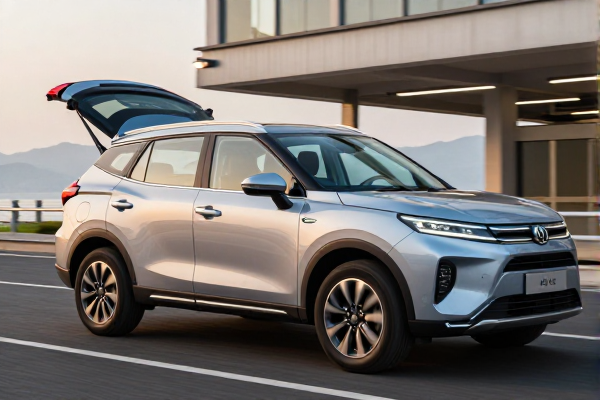
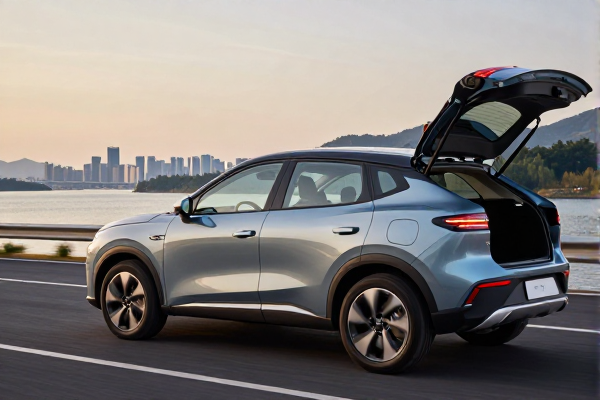
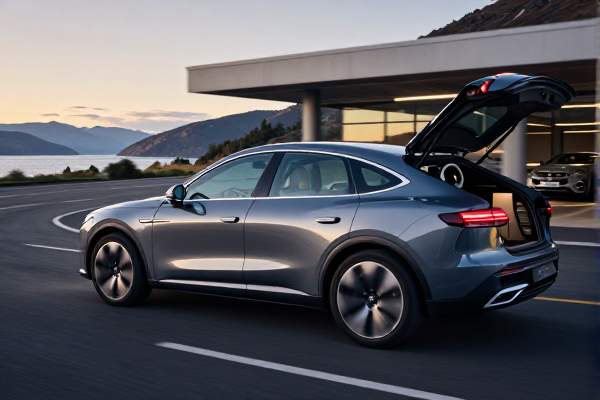
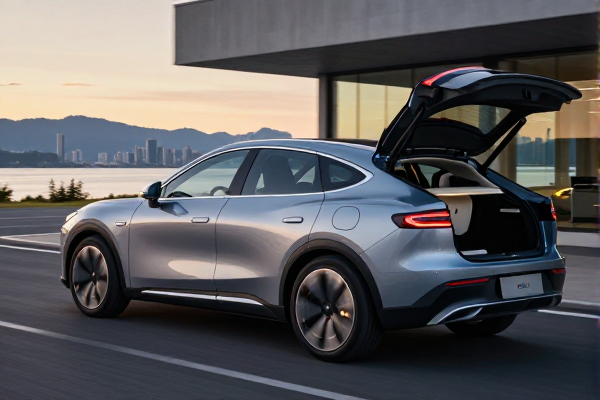
Hyundai’s India lineup now has three regular SUVs in a tight size chain. Venue is the entry point, Creta is the larger family favorite, and the Bayon slots right in the middle. The company says the Bayon is 4.2 meters long, and the exterior has been tuned specifically for India. It looks more aggressive than the international Bayon, with stronger shoulder lines and a front end that feels closer to a bigger premium version of the Exter.
The platform underneath is the updated K2 architecture. That’s the same family used for several Hyundai/Kia small cars in emerging markets. Using a proven base keeps costs down and speeds up local development. The Bayon also benefits from the platform’s flexible packaging, letting Hyundai fit a full suite of connected-car electronics without compromising cabin space.
Hyundai confirmed that the Bayon will be powered by the same 1.5-liter four-cylinder petrol engine that currently does duty in the Creta. Output is 113 bhp and 144 Nm of peak torque. Two transmissions are on offer: a six-speed manual and an iVT, Hyundai’s name for a smart CVT-style gearbox.
This engine is not new, and that’s likely intentional. It has proven reliability in India, and the torque curve suits both daily traffic and occasional highway cruising. Hyundai did not announce fuel-efficiency figures at the reveal, but with a naturally aspirated engine in a sub-4.2-meter body, buyers can expect mileage in the same ballpark as the Creta’s petrol versions.
There’s also an interesting possibility on the CNG side. The same engine bay appears to accept Hyundai’s factory-installed underbody CNG kit. If that kit is added, the Bayon would be the first Hyundai SUV in India longer than four meters to get a factory CNG option. At the time of the announcement, Hyundai had not confirmed this variant, and no later official confirmation has appeared. CNG remains speculative until Hyundai says otherwise.
The interior is where the Bayon makes its strongest pitch. The dashboard is dominated by a dual curved panoramic display that combines a 12.3-inch infotainment touchscreen with a 12.3-inch digital instrument cluster. The curve helps reduce glare and gives the cabin a more expensive look.
On the software side, Hyundai is loading the Bayon with its latest connected-car tech:
Beyond the confirmed list, Hyundai is expected to offer a panoramic sunroof, Level-2 ADAS, rear AC vents, wireless Android Auto and Apple CarPlay, a Bose audio system, and a 360-degree camera on higher trims. The variant-wise feature matrix was published on launch day, so Indian buyers could compare exactly what each trim gets.
Hyundai hasn’t announced a fixed price in the press release but has indicated that the Bayon will fall in the Rs 10–18 lakh range on-road in Mumbai. That range is wide because it covers everything from a base manual petrol to a loaded ADAS-equipped top trim. On-road prices in India include registration, insurance, and state taxes, so direct comparisons with U.S. MSRPs don’t translate neatly. In rough U.S. dollar terms, that range is about $12,000 to $22,000 depending on the exchange rate.
The opening booking amount is Rs 11,000, which is roughly $135. Bookings are open through Hyundai’s website and at dealerships. At the time of the launch, Hyundai said first deliveries were expected to begin close to Diwali, which matched its usual festive-season sales push.
The Bayon is not sold in the United States, and Hyundai has made no announcement about bringing it here. The closest model in American showrooms is the Venue, which shares the same K2 platform family. Because of that, the Bayon works as a preview of where Hyundai could take a future U.S. Venue update.
Several details are worth watching: the curved two-screen cockpit, the generative AI voice assistant, and the sharper exterior treatment. If Hyundai decides to refresh the Venue in a similar direction, U.S. buyers could see many of these features under a different model name.
There is also a global platform angle. Hyundai is using the updated K2 architecture to make different SUVs for different markets—Venue in the U.S., Bayon in India, and other variants elsewhere. That lets the company lower development costs while still giving each region its own design language and feature set.
The Bayon launch was a notable moment for Hyundai India, giving buyers another compact-SUV option in a crowded market. For people in India, the Bayon is already available at dealerships, with deliveries timed around Diwali after the October reveal. For U.S. buyers, it remains a global-market alternative that signals the next wave of Hyundai small-SUV technology.