Browse

Log in / Register
 Share

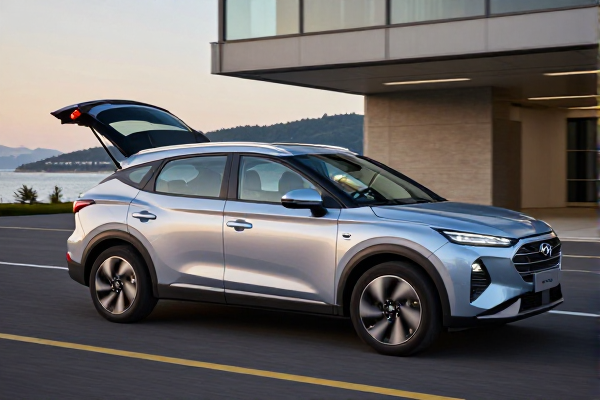
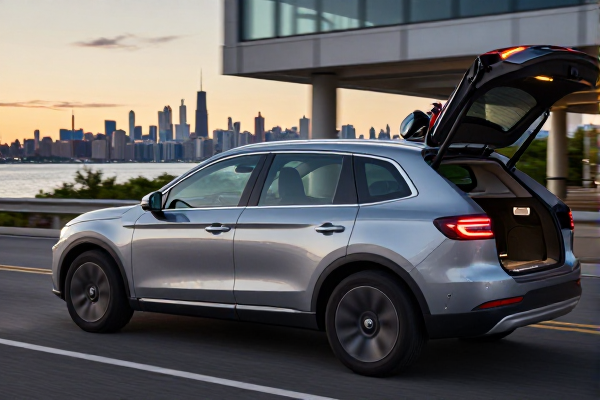
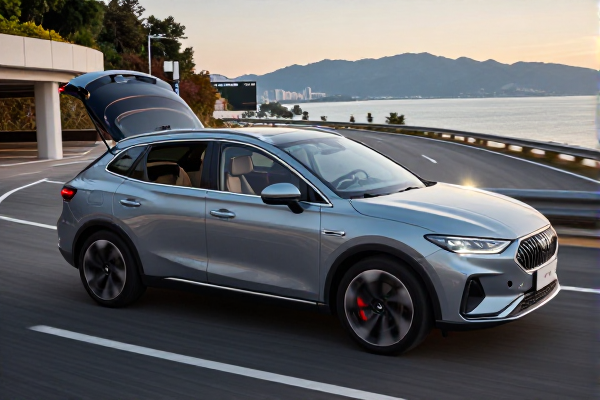
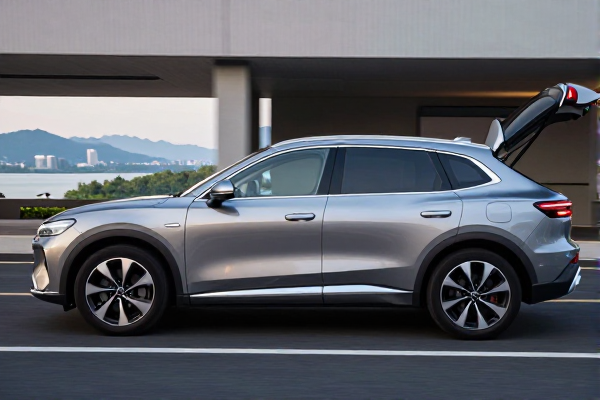
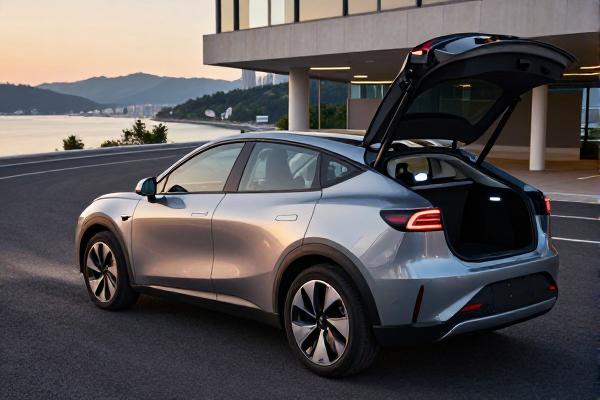
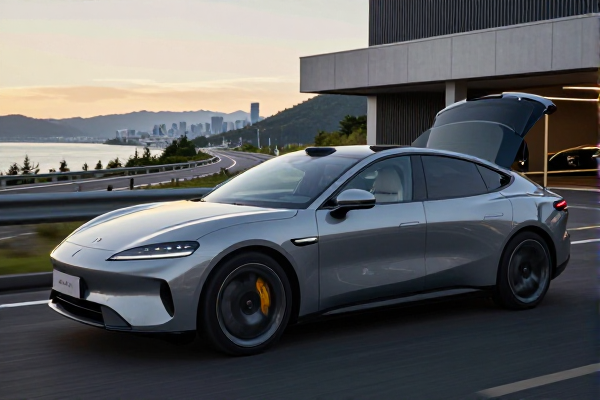
Hyundai is launching the Bayon in India today, October 26, 2026. The compact SUV is positioned between the Venue and Creta, and brings a dual 12.3-inch display cabin, an AI-powered voice assistant, a 1.5-litre petrol engine, and Level 2 Pro ADAS on top trims. Official prices will be announced later today, with starting estimates of around Rs 9.5 lakh–10 lakh.
The Bayon fills a gap that Hyundai has been working to close for some time. It sits above the Venue in equipment and size feel, yet remains below the Creta in price and overall footprint. Hyundai has already opened bookings across India for Rs 11,000, and the final price structure will decide whether the Bayon becomes a serious volume driver or remains a niche product.
India’s compact SUV space is one of the most contested in the industry. The Tata Nexon, Maruti Suzuki Brezza, Kia Sonet, and Hyundai’s own Venue have made this the default choice for buyers upgrading from hatchbacks. The Bayon enters that fight with a clear brief: offer more screen tech and cabin comfort than its direct rivals, without moving far from established price points.
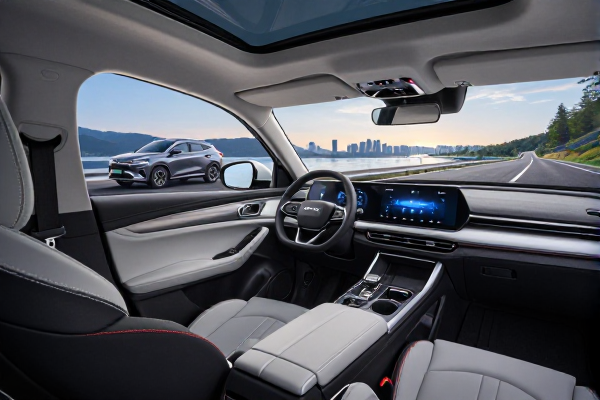
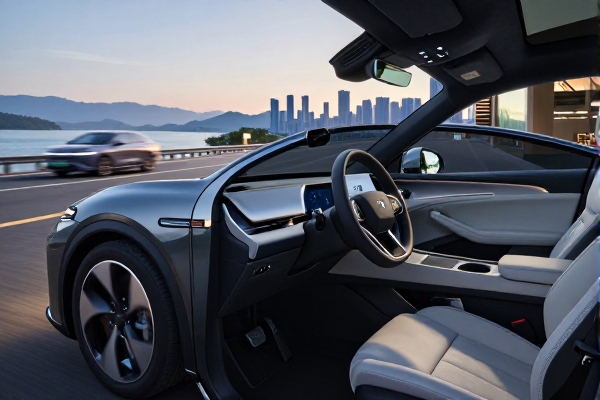
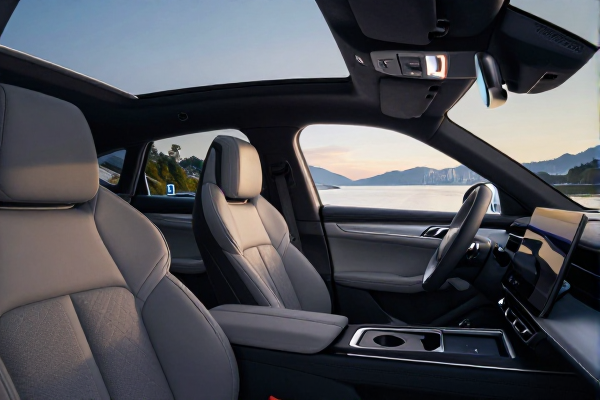
Hyundai has confirmed several cabin highlights that make the Bayon stand out on paper. Two 12.3-inch displays sit side by side, with one serving as the digital instrument cluster and the other handling infotainment. That is a setup usually seen in far more expensive cars, and it should help the Bayon grab attention in showroom comparisons.
The AI-based voice assistant is another headline feature. It is being developed with Perplexity and SoundHound AI, which allows the system to interpret natural driving prompts rather than rigid command phrases. In practice, the driver can ask for a nearby charging station, adjust climate settings, or change media input without touching buttons.
Connected-car tech is also part of the package. Hyundai’s Bluelink suite adds remote engine start, geo-fencing, vehicle tracking, and a range of online services. Over-the-air updates will cover up to 19 electronic control units, meaning many software fixes will arrive without a service centre visit. Buyers should keep in mind that some of these features are likely to be reserved for higher trims, as is common in the Indian market.
Under the bonnet, the Bayon uses a 1.5-litre, four-cylinder naturally aspirated petrol engine. It produces 115 PS and 143.8 Nm of torque. Buyers can choose between a six-speed manual and Hyundai’s iVT automatic, a continuously variable transmission with a stepped feel.
The automatic version includes paddle shifters and three drive modes: Eco, Normal, and Sport. These settings adjust throttle response and gear behaviour to suit traffic conditions or enthusiastic driving. It is a practical combination for a compact SUV aimed at first-time automatic buyers as much as seasoned drivers.
This engine is not new to Hyundai India. The company states that more than 600,000 vehicles with the same 1.5-litre petrol unit have been sold in the country since 2020. For buyers, that means a well-understood service history, availability of spare parts, and fewer surprises with maintenance costs.
Safety equipment is another area where the Bayon is trying to lead. All variants will come with six airbags, electronic stability control, hill-start assist, and a tyre pressure monitoring system. That level of standard safety has become increasingly important in India, where crash-test awareness has risen sharply in recent years.
Higher variants add Level 2 Pro ADAS, a 360-degree camera, and a blind-spot view monitor. These driver assistance features include lane keeping, adaptive cruise control, and automatic emergency braking support. Availability will vary by trim, so the full variant matrix will be important when comparing the Bayon against the Maruti Suzuki Grand Vitara, Toyota Urban Cruiser Hyryder, and MG Astor.
Hyundai has not confirmed pricing yet, but market estimates point to a starting price of Rs 9.5 lakh to Rs 10 lakh, ex-showroom. In US dollar terms, that is roughly $11,200 to $11,800, which gives outside observers a sense of how aggressively Hyundai can price a feature-heavy SUV in a volume market.
The Bayon’s closest competitors are the Maruti Suzuki Grand Vitara, Toyota Urban Cruiser Hyryder, and MG Astor. Depending on the final price list, some Bayon variants may also attract customers considering the Skoda Kushaq and Volkswagen Taigun. The mid-range variants of those rivals have been the biggest sellers, so Hyundai’s pricing there will determine the Bayon’s real-world appeal.
The Bayon was originally developed by Hyundai’s European arm and has been sold in several world markets since 2021. It is not part of Hyundai’s US lineup, which uses the Kona as the entry point for small SUVs. India’s Bayon is a separate adaptation, tailored to local road conditions and buyer preferences.
That global-versus-local story adds context for anyone tracking Hyundai’s pricing strategy. The same brand that charges around $27,000 for a Kona in the United States is launching a more advanced cabin on a much smaller budget in India. The Bayon demonstrates how Hyundai can localise production, trim grade structure, and equipment levels without losing the core product appeal.
The Bayon brings a strong list of first impressions: twin 12.3-inch screens, AI voice assistance, ventilated seats, Bose audio, a proven engine, and six airbags as standard. The open question is pricing structure.
Hyundai’s official announcement later today will show exactly how much of that feature list lands in the affordable variants. If the entry price stays close to Rs 9.5 lakh and the mid-range trims carry the dual-screen setup, the Bayon could be one of the more tempting compact SUVs in India.
Until then, the Bayon remains a promising package awaiting its final, decisive detail.