Browse

Log in / Register
 Share

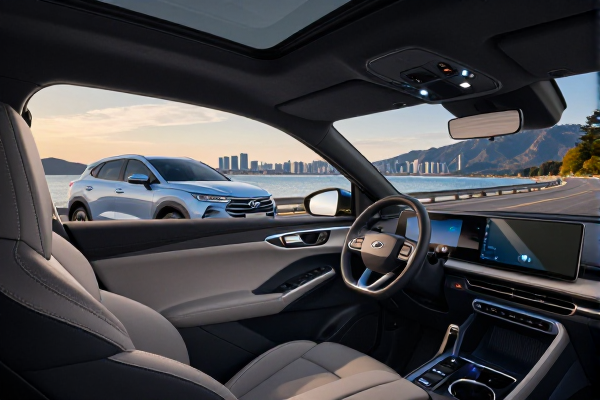
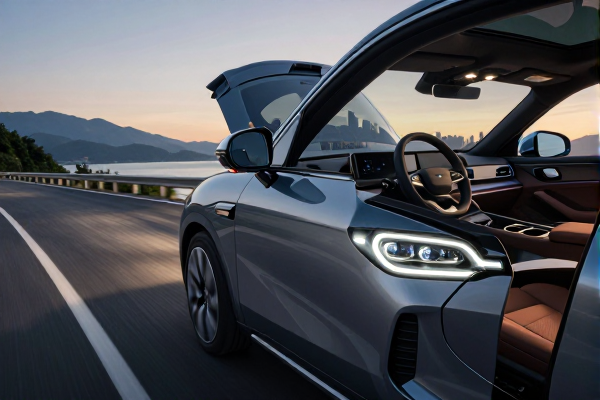
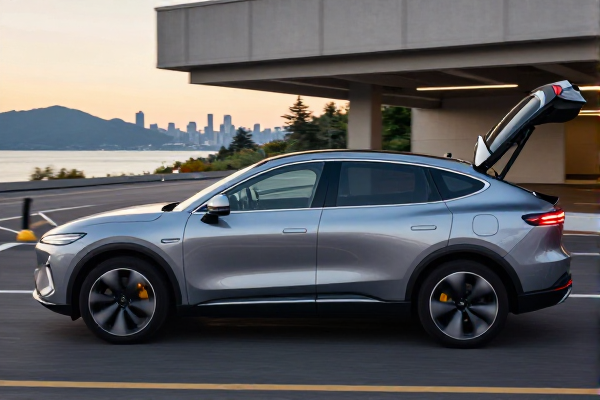
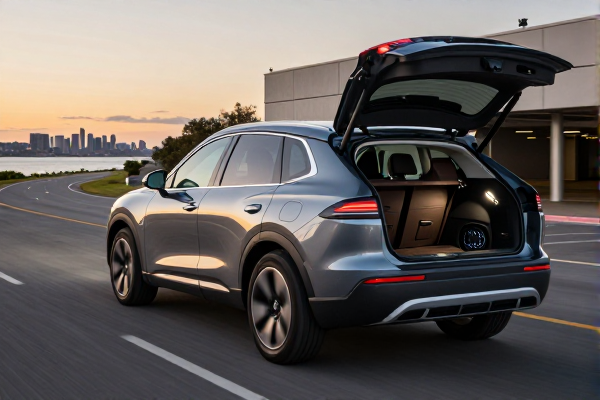
NEW DELHI -- Oct. 14, 2026 -- Hyundai Motor India is stepping off its one-hit-wonder path. The automaker has launched the Bayon, a compact, technology-laden SUV, and expects the new model plus the evergreen Creta to generate a combined 250,000 annual sales by 2027. The push arrives as India's utility-vehicle market turns fiercely competitive, with every major player expanding its lineup. Managing director Tarun Garg said the segment has enough headroom for both vehicles, given that customer preferences are splitting into new niches.
Creta's dominance, and the Maruti challenge
The Creta has been Hyundai India's flagship for more than a decade, and the numbers explain why. Since its debut in 2015, the nameplate has amassed more than a million cumulative sales, becoming one of the most recognizable badges on Indian roads. Between January and September 2026, it remained the top-selling midsize utility vehicle in the country, with over 140,000 units moved.
Not far behind, however, is a twin-pronged Maruti Suzuki attack. The Grand Vitara and the Victoris combined for approximately 170,000 sales in the same stretch, according to industry figures. That two-car strategy may have shaped Hyundai's thinking: rather than defending the Creta on its own, the company now fields a second model that can absorb different buyers without cannibalizing the established one. Garg told reporters that the company believes the market has enough room for both nameplates and that fresh customer segments are emerging continually.
An SUV market that keeps splintering
India has fallen hard for SUVs. Utility vehicles now represent more than half of all passenger-vehicle sales in the country, and growth continues to outpace sedans and hatchbacks. The result: automakers are slicing the segment ever finer, offering coupe-style SUVs, three-row family haulers, and now compact crossovers pitched squarely at urban commuters.
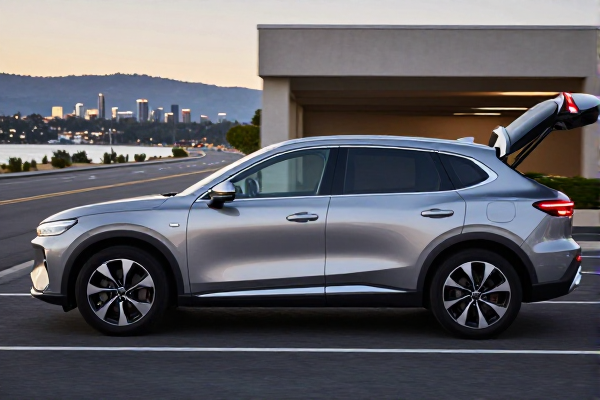
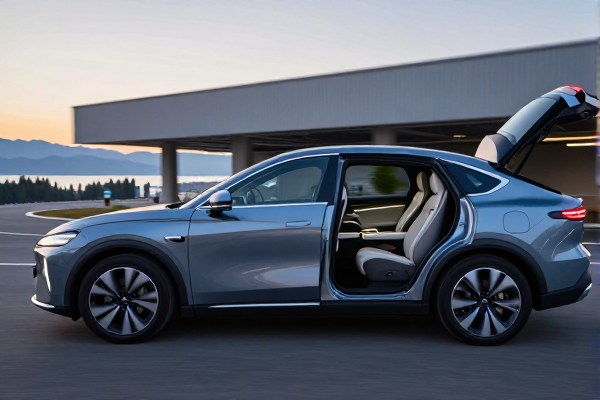
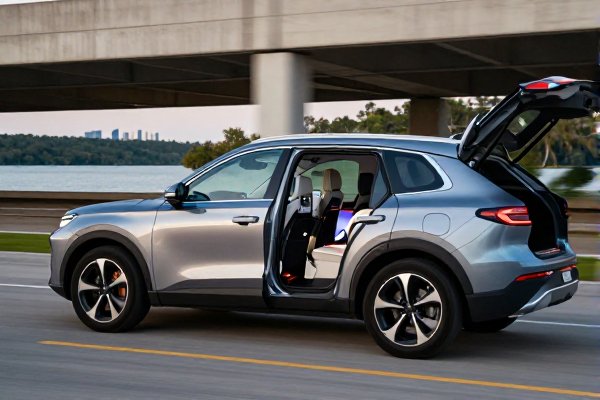
The Bayon belongs in that last group. It is smaller than the Creta but larger than the sub-4-meter Venue, and Hyundai is positioning it as the tech-forward choice. Think connected features, driver-assistance systems, and a digital-heavy cabin, while the Creta continues to lean on trust, durability, and a rock-solid resale reputation. That separation matters. In a crowded showroom, Hyundai wants the two models to feel like different products for different wallets, not siblings fighting over the same buyer.
Petrol now, CNG from January 2027
At launch, the Bayon will be available with a petrol engine. Hyundai has confirmed that CNG variants will follow in January 2027. The timeline matters: India's compressed natural gas network has expanded well beyond major cities, and buyers in smaller towns increasingly see CNG as a low-cost alternative to petrol without the charging anxiety of EVs.
Analysts say the CNG decision is a smart hedge. A factory-fitted CNG SUV at a competitive price could attract high-mileage private and commercial buyers, giving Hyundai a cost-of-ownership story few rivals can match in this size class. Local assembly will help keep pricing sharp, as it does for the rest of Hyundai's India lineup, though the company has not yet detailed which plants will handle Bayon production.
One platform, many markets
The Bayon is not an India special. Hyundai has sold the model in Europe since 2021, positioned below the Kona in its crossover hierarchy. Extending it to India spreads development and engineering costs across a larger production base, and gives the company another global product line to leverage.
There is one interesting wrinkle: the Bayon's footprint pushes it over India's four-meter tax threshold, so it will not qualify for the lower goods-and-services tax rate that benefits smaller vehicles. That will influence final pricing, and Hyundai has yet to announce numbers. Expectations are that the Bayon will be slotted between the Venue and the Creta, creating a clean upgrade ladder within the same showroom.
Why U.S. buyers should care
Hyundai does not sell the Bayon in the United States, and no concrete plans are on the table to bring it over. American showrooms carry the Kona, the Venue, and the larger Tucson and Santa Fe lines, and stateside demand remains concentrated on those nameplates. But the Indian launch is still worth watching from a Detroit perspective: it shows how agile Hyundai has become at regionalizing its global portfolio.
Hyundai's leadership has repeatedly emphasized flexibility over a one-size-fits-all lineup. The Bayon's Indian debut is a concrete example -- a model designed for Europe, retooled for one of Asia's most demanding markets, and paired with a homegrown hero to defend share. As U.S. consumers drift toward smaller, more affordable crossovers and EVs, playbooks developed in markets like India could eventually influence decisions stateside.
Analysts see a defensive play
Industry observers read Hyundai's two-model strategy as both an attack and a shield. Tata Motors and Kia have been launching SUVs at a rapid clip, and Maruti Suzuki now fields several competing models across the same price brackets. A second volume nameplate lets Hyundai defend its position and cushions the brand if Creta momentum ever falters.
The 250,000-unit target for 2027 looks achievable, analysts say, even if it is ambitious. The Creta is running at an annualized pace close to 190,000 units in 2026, so the Bayon would need to contribute roughly 60,000 units to hit the group goal. That is around 5,000 units a month, a reasonable expectation for a well-priced compact SUV in today's Indian market.
Beyond Bayon: electrification and the next phase
Hyundai India is also pushing ahead with electric vehicles. The company has introduced the Ioniq 5 locally and has committed to a made-in-India electric SUV in the coming years. The Bayon's petrol-and-CNG strategy is not a detour from that plan; it fills the gap while charging infrastructure continues to mature. In markets like India, automakers are learning to offer a spectrum of powertrains rather than betting everything on a single technology.
The road ahead
Hyundai has not disclosed a booking timeline for the Bayon, but the company's willingness to state a sales target this early signals confidence. It also signals a strategic shift: in one of the world's most competitive auto markets, no single model can carry a brand anymore. The Bayon-Creta pairing is Hyundai's answer -- and rivals are likely paying close attention.