Browse

Log in / Register
 Share


Editor’s note: This story was updated on May 9, 2026, with the latest availability timeline and battery-supplier developments.
Hyundai is closing out 2026 with two new SUVs for India. The second-generation Bayon arrives in October, followed in December by a compact electric SUV known internally as HE1i. The two models target very different buyers: the Bayon will offer petrol and CNG options, while the EV is aimed at India’s fast-growing affordable electric-SUV segment with an expected claimed range of up to 500 km.
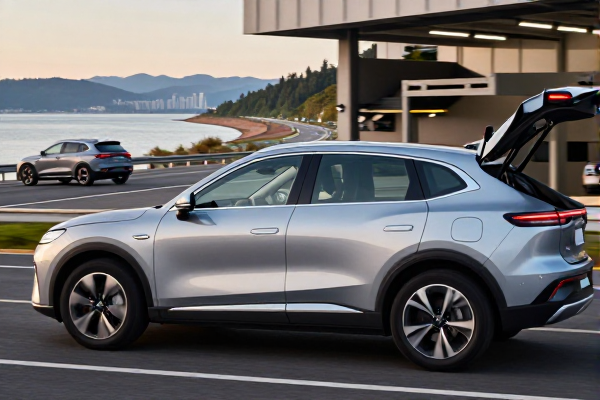
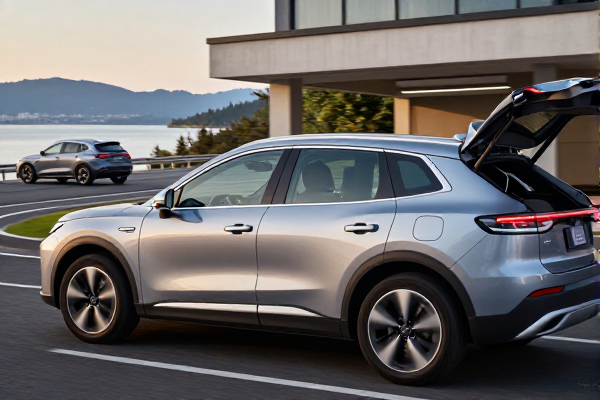
Hyundai has confirmed that the new Bayon will look like a proper SUV rather than a raised hatchback. Teaser images show a boxy, upright profile with strong body lines, a tall stance, and a more muscular front end. The outgoing Bayon was originally developed mainly for Europe, but this new model has been designed with India and other emerging markets in mind.
At around 4.2 metres long, the Bayon will sit just below the Creta in Hyundai’s India lineup. It will be the second locally produced mid-size SUV from Hyundai after the Creta. The company also says the new model will offer more interior space, a larger boot, and better ground clearance than the previous version.
Hyundai has not released full cabin details yet, but the overall package is clearly positioned as a practical family SUV rather than a style-focused urban car. The extra length and boxier roofline should help with rear-seat comfort and cargo capacity, both of which matter more in India than in Europe.
The new Bayon is expected to use Hyundai’s 1.5-litre petrol engine. A CNG version is also likely to be offered, which fits Hyundai’s strategy of giving Indian buyers more fuel-flexible options.
The petrol Bayon will come with a CVT automatic gearbox, as confirmed by Hyundai. The CNG version is expected to pair with a manual gearbox, a common setup in India’s CNG segment. Hyundai is also likely to mount the CNG tank under the body, which would preserve boot space and make the Bayon more practical for everyday use.
What is interesting about the Bayon is that it gives Hyundai another SUV that can run on CNG. That matters because many Indian buyers are looking for lower running costs, and compressed natural gas remains one of the most widely available alternative fuels in the country.
The bigger news comes in December with HE1i, Hyundai’s new compact electric SUV. It will be smaller than Hyundai’s larger electric SUVs and is designed to compete directly with the Tata Nexon.ev, Kia Syros EV, and Mahindra XUV 3XO EV.
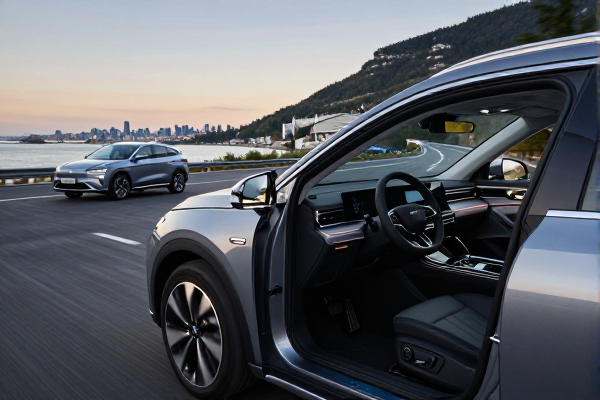
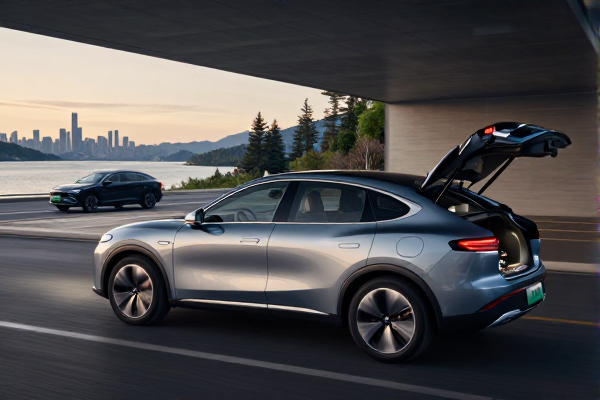
Hyundai has given the EV a boxy, rugged design, and the teasers show a true SUV silhouette with a bold front face and squared-off rear. The cabin will feature a 9.9-inch digital instrument cluster and a 12.9-inch touchscreen infotainment system. Level 2 ADAS is also expected to be part of the package, which would help Hyundai close the tech gap with rivals.
The model’s real job is to make Hyundai competitive in India’s affordable EV space. That means pricing will be critical, and Hyundai appears to be working hard to control costs without sacrificing range or equipment.
The most important technical detail on HE1i is its battery. Hyundai is expected to use LFP battery cells, which are cheaper and safer than nickel-based chemistries. Two battery options are reportedly planned, with the larger pack offering around 500 km of claimed range.
Hyundai had earlier planned to source cells from Exide Energy, part of a broader localisation push in India. However, reports indicate that delays in Exide’s cell production have forced Hyundai to look elsewhere. Chinese battery maker Svolt is now expected to supply the initial cells, with Exide potentially joining later once production is running.
That shift is significant. Svolt’s LFP cells should allow Hyundai to keep HE1i’s price competitive while still delivering the range that buyers expect. It also shows how quickly Hyundai is adapting its supply chain to meet launch deadlines.
Hyundai’s decision to launch two SUVs in the same quarter is not a coincidence. The Bayon and HE1i cover two of the fastest-growing segments in India’s auto market: CNG-friendly compact SUVs and affordable electric SUVs.
The Bayon will add to Hyundai’s already strong utility-vehicle portfolio, giving dealers another product to sell in a market where SUVs dominate. The HE1i, meanwhile, puts Hyundai in direct conflict with Tata, Mahindra, and Kia in the sub-₹20 lakh EV space. With LFP chemistry and a competitive feature list, Hyundai has a realistic chance of winning over buyers who might otherwise pick an Indian or Korean rival.
Neither model is confirmed for the United States. The Bayon is built around the needs of the Indian market, where CNG is a major fuel and smaller dimensions are a selling point. HE1i is also a product aimed squarely at emerging markets, and Hyundai has said nothing about bringing it to America.
Still, there is a U.S. angle. Hyundai’s push to use LFP batteries in affordable EVs is part of a global cost-control trend that is also shaping the American EV market. As U.S. buyers look for cheaper electric vehicles, battery chemistry and supply chain flexibility will matter more than raw power and performance.
If HE1i proves successful in India, the technology and packaging lessons could influence Hyundai’s next-generation global EV platform. That could eventually show up in smaller, more affordable Hyundai EVs in the U.S. — even if this particular model never crosses the Pacific.
October brings the Bayon; December brings HE1i. By January 2027, Hyundai’s India lineup will have two new SUVs in showrooms, each aimed at a different budget and driving style. The Bayon covers petrol and CNG buyers, while the HE1i challenges India’s best-selling electric SUVs on range, features, and likely price.
For now, the focus is on India. But Hyundai’s strategy of building practical, affordable SUVs with flexible powertrain options is a reminder that global automakers are no longer developing only for Western markets. The designs might be local, but the engineering decisions have a way of shaping products everywhere.