Browse

Log in / Register
 Share
Share

NEW DELHI, Nov. 17 — When Stephane Deblaise arrived to lead Renault's India unit in late 2023, he carried with him a strategic insight from his tenure in South Korea: the path from combustion engines to full electrification is rarely a straight line. After a year of observing India's auto market up close, Deblaise says the thesis has been validated — and then some.
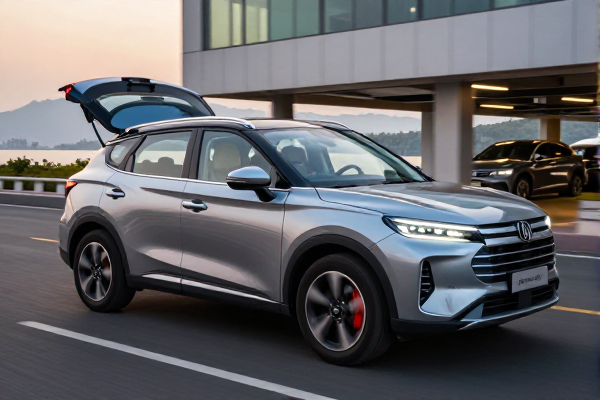
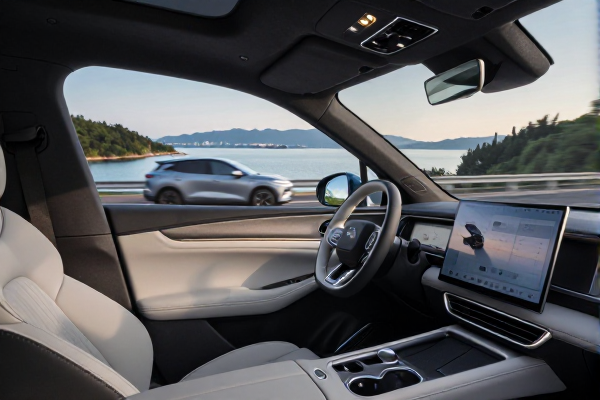
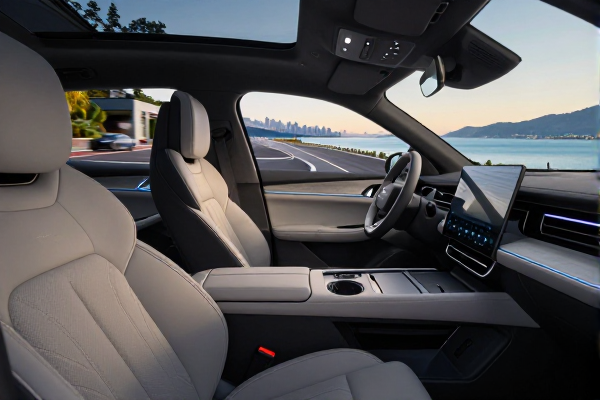
India, widely described among global automakers as an EV outlier, is actually embracing hybrids with a conviction that has surprised even industry veterans. Against this backdrop, Renault has chosen to anchor its India playbook on hybrid technology — a middle path that combines an internal combustion engine with an electric motor — rather than betting all its chips on full battery-electric vehicles (BEVs).
India's electrification story simply does not align with those of China, Europe, or North America. EV penetration hovers somewhere in the low single digits, despite aggressive central government incentives and a steady expansion of charging infrastructure. Consumers remain deeply sensitive to upfront purchase costs, resale value uncertainties, and — most critically — the absence of an ecosystem that makes daily EV use as frictionless as it is in more mature markets.
What India lacks in EV readiness, however, it makes up for in hybrid appetite. The economics of a hybrid — significantly better fuel efficiency than a traditional petrol car, with no range anxiety and no need for charging points — have turned it into a surprisingly effective sweet spot for the Indian middle class.
India's tax regime reinforces that preference. In a country where GST on vehicles runs at 28% across most categories, hybrids pay a smaller cess than full EVs in some states while delivering near-EV fuel economy in urban cycles. Industry sources say that policymakers in New Delhi are themselves hesitant to push full electrification, wary of disrupting a market tied to fuel taxation revenue and small-dealer economics.
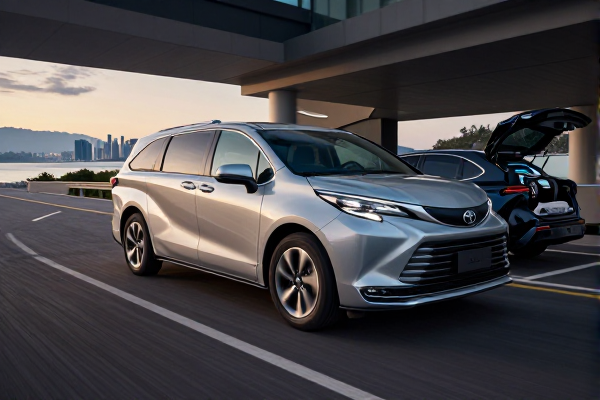
Deblaise's calculation is not without risk. Several global rivals — including Toyota and Hyundai — already offer strong hybrid lineups in India, creating a crowded field for Renault to compete in. But Renault is reportedly working on a localized hybrid drivetrain tailored to Indian road conditions, a move it hopes will carve out a niche between affordable internal-combustion models and premium EV offerings.
The company expects that by 2028, hybrid models will account for around 25% of its India sales volume — a figure that would represent a major strategic pivot for a brand long identified in the Indian market with budget-friendly hatchbacks. The bet also prepares Renault for possible regulatory tightening on internal-combustion engines, without forcing it to shoulder the brunt of EV infrastructure scarcity.
Renault's India shift mirrors a broader recalibration underway across the global auto industry, where the once-triumphant narrative of "EVs will replace everything" is giving way to a more segmented reality. Major markets like the United States and Europe are seeing a deceleration in EV adoption as affordability concerns and range limitations bite. In emerging markets, hybrids are increasingly framed not as a compromise, but as a reasonable endpoint — at least for the next decade.
The development also highlights a quiet divergence in India's policy discussions. While think tanks and environmental groups push for faster electrification, the actual marketplace seems to be signaling that hybridization is a pragmatic transition step that consumers themselves are selecting.
For Renault, the next 12 months will be decisive. The company is expected to unveil a refreshed portfolio for India that places hybrids at center stage, alongside a limited EV offering for urban centers where charging infrastructure is more developed. Deliveries are expected to begin in 2026.
Whether Renault's hybrid pivot turns out to be a blockbuster or a missed exit depends largely on whether Indian fuel prices remain at their current elevated levels and whether battery prices fall fast enough to flip the consumer equation toward EVs within the next few years. But for now, Deblaise's message to the Indian auto market is clear: meet consumers where they are, not where the global narrative says they ought to be.