Browse

Log in / Register
 Share

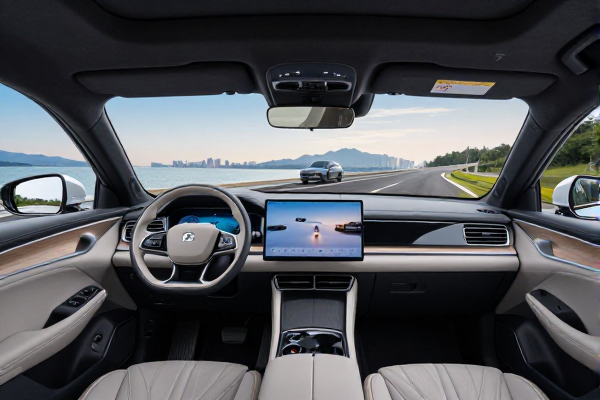
March 26, 2025 – Chinese electric vehicle manufacturers are accelerating the rollout of humanoid robots at retail locations, turning showrooms into high-tech hubs designed to attract buyers and stand out in a fiercely competitive market. From greeting customers to delivering product demonstrations, these robots are becoming a staple of the EV buying experience in China.
BYD Leads with a Humanoid Greeter
BYD has placed humanoid robots named “Yuanyuan” at flagship stores in Shanghai and Shenzhen. Standing 1.6 meters tall with a sleek white casing, Yuanyuan can recognize frequent visitors, guide them to specific vehicle models, and even perform basic dance moves to entertain children while parents browse. Company officials say the robots have cut average customer wait times by 30% and boosted showroom foot traffic by 15% since deployment last quarter.
Nio Integrates Robots into Its Lifestyle Branding
Nio, known for its customer-centric Nio Houses, has gone a step further by embedding humanoid robots into its membership experience. Called “NioBot,” these units not only assist with vehicle walkarounds but also offer tea and snacks, check in for test drives, and sync with customers’ Nio accounts to recall past preferences. The robots are programmed to speak Mandarin and English, catering to both local and international visitors.
Capabilities Beyond Gimmicks
The robots go beyond simple kiosk functions. Equipped with lidar sensors and natural language processing chips, they can navigate crowded showrooms autonomously and answer detailed questions about range, charging, and financing. Some models even carry tablets on their chests for interactive model comparisons. According to a recent report from PitchBook, Chinese EV makers have poured over $200 million into in-store robotics since 2024, signaling a strategic shift from online-only to “phygital” retail.
Why This Matters for the Global Market
The push into humanoid retail assistants isn’t just about novelty. As Chinese EV brands expand overseas – especially into Europe and Southeast Asia – the same robot-powered sales models could follow. Analysts at McKinsey predict that by 2027, over 40% of Chinese EV showrooms will feature autonomous assistants, potentially driving a 25% increase in conversion rates. For U.S. dealerships, the trend raises questions about whether traditional sales floors will need to adopt similar tech to compete with lower-cost, high-service Chinese imports.
Powering the Robot Workforce
Behind the scenes, companies like Ubtech and Fourier Intelligence supply the robot bodies, while local AI platform firms such as SenseTime provide speech and vision algorithms. This ecosystem allows EV makers to customize the robots’ behaviour without investing in hardware R&D. “The real competitive advantage isn’t the robot itself – it’s the data we collect on how customers interact with it,” said a product manager at BYD’s smart retail division in a February interview.
Challenges and Criticism
Not everyone is sold on the robot wave. Some customers report that the machines still struggle with complex questions about battery warranties or trade-in values. There are also privacy concerns, as the robots collect facial recognition data unless customers explicitly opt out. However, manufacturers are rushing to update software, with OTA patches rolling out monthly to improve conversational accuracy.
The Road Ahead
As Tesla and other global players watch from the sidelines, China’s EV makers are betting that humanoid robots will become as integral to car buying as test drives themselves. With costs projected to drop below $15,000 per unit by 2026 (from the current $40,000), mass adoption appears inevitable. For now, the robots are attracting crowds – and that alone may be enough to justify the investment.