Browse

Log in / Register
 Share

Honda's Zero Alpha electric SUV is inching closer to production, and the latest details around the model are giving a much clearer picture of what buyers can expect. Expected to launch in India by the end of fiscal year 2026-27 — which lands in March 2027 — the electric SUV is being developed as a five-seater with dimensions that push well beyond Honda's current combustion offerings. As of April 25, 2026, test mules have already been spotted on Indian roads, and Honda is quietly preparing its Tapukara plant in Rajasthan for local assembly and exports.
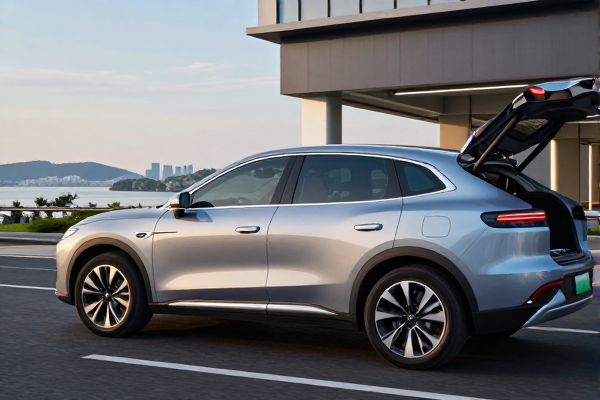
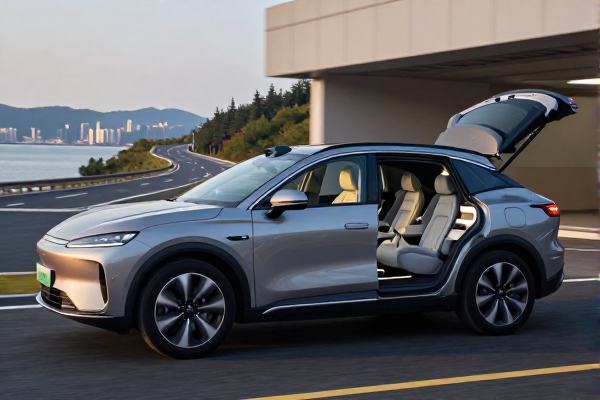
According to recent intelligence, the Alpha will ride on a wheelbase spanning roughly 2,700mm to 2,800mm, placing it about 100mm longer than the Honda Elevate's wheelbase. A wider track is also expected, along with a relatively low roofline that follows Honda's latest design language — a departure from the tall, boxy shapes traditionally associated with mid-size SUVs. Despite the sleeker exterior, the packaging is said to emphasize cabin space, which suggests engineers are putting serious effort into preserving interior room while keeping the silhouette aerodynamic.
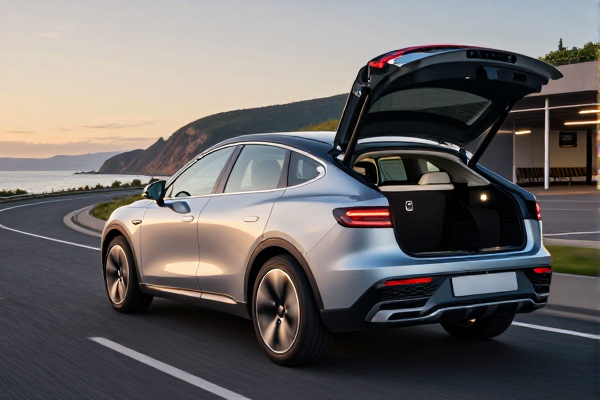
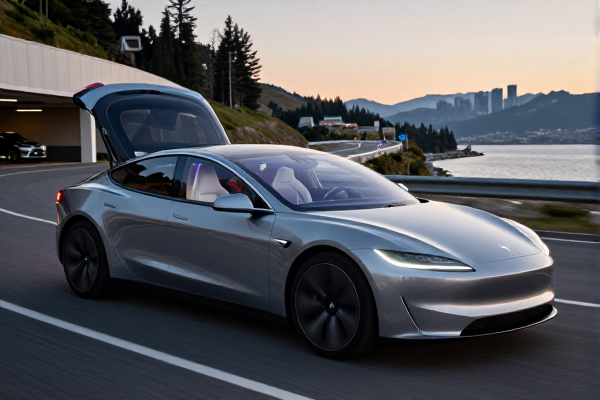
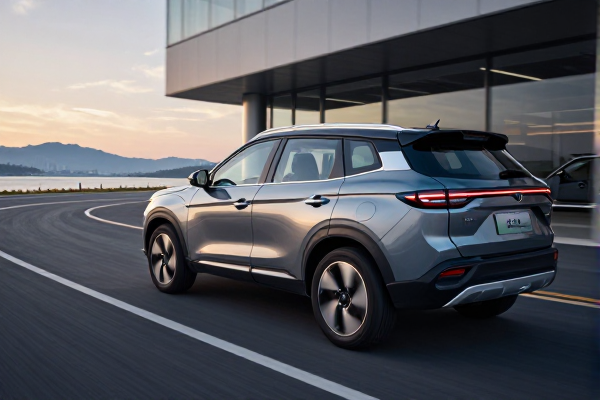
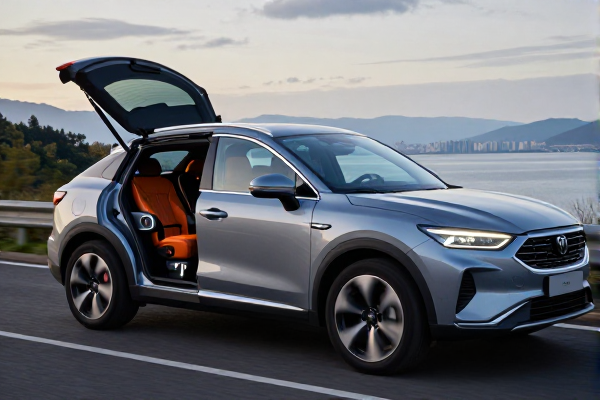
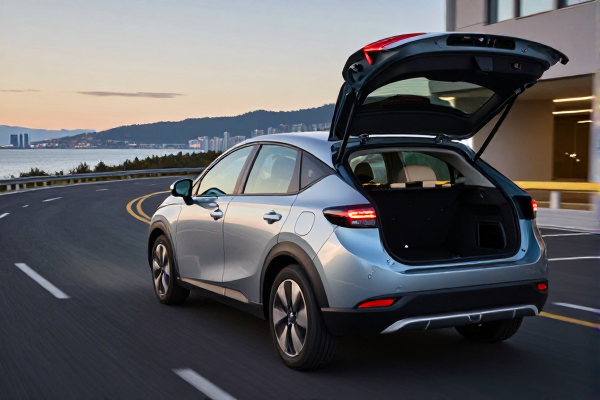
The styling direction has been hinted at by those camouflaged prototypes. The production model appears set to stay faithful to the Zero Alpha concept, which debuted as part of Honda's broader "Zero" family of EVs. Up front, the electric SUV is expected to adopt projector-style lamps behind an enclosed fascia, a signature look for Honda's new energy vehicles. The side profile is dominated by flush door handles and aero-optimized alloy wheels, while the rear gets an upright stance with slim vertical tail lamps, an integrated spoiler, and a rear wiper — a practical touch that several rival EVs omit. The concept's illuminated Honda logo and full-width rear lighting strip are likely to carry through, giving the production car a distinct visual identity.
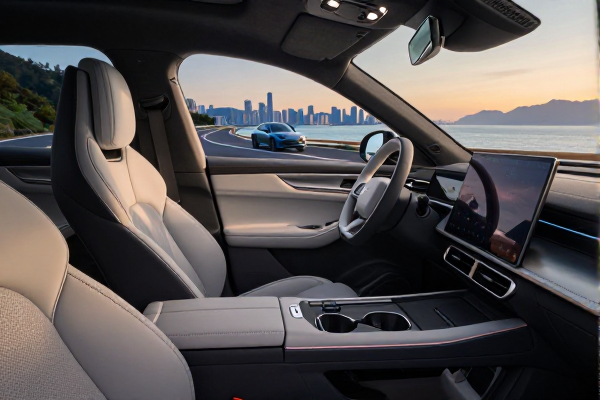
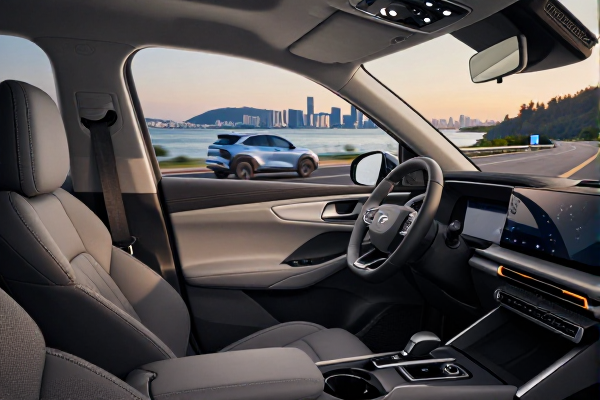
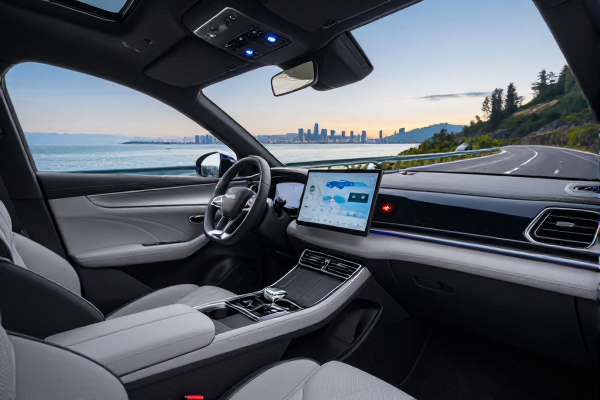
Inside, the Alpha is expected to mark a significant departure from Honda's current SUV interiors. A large central touchscreen will anchor the dashboard, paired with a digital driver display and a flat-bottomed, three-spoke steering wheel. One notable detail is the inclusion of steering-wheel paddles to adjust regenerative braking levels, letting drivers tailor energy recovery without diving through touchscreen menus. Physical climate controls are expected to sit just below the display, which is a sensible trade-off between modern aesthetics and everyday usability. The expected feature list also includes a 360-degree parking camera, Level 2 advanced driver-assistance systems, wireless smartphone connectivity, dual-zone climate control, and a wireless charging pad — equipment that would place the Alpha in the upper tier of its segment.
The powertrain remains the biggest area of speculation. Reports suggest the Alpha could be offered with a battery pack between 65kWh and 75kWh, with CATL reportedly among the cell suppliers under consideration. If that capacity materializes, Honda is targeting a claimed range of more than 500km on a single charge, which would make the SUV competitive against most electric offerings in the Indian market. Final details regarding motor output, charging capacity, and battery chemistry are still unconfirmed. Honda is likely to hold those specifications back until closer to the launch, possibly tied to the official reveal of the production name later this year.
On pricing, industry expectations place the Zero Alpha between Rs 17 lakh and Rs 25 lakh, ex-showroom. That positioning puts it squarely against a growing roster of electric SUVs in India, including the Hyundai Creta Electric, Mahindra XEV 9e, Tata Sierra EV, Maruti Suzuki e Vitara, Toyota Urban Cruiser Ebella, and MG ZS EV. The competitive set is fierce, but Honda's strategy appears deliberate: enter one of the world's fastest-growing EV segments with a product designed for mainstream reach rather than niche appeal.
From a manufacturing standpoint, the Tapukara facility is central to the plan. Honda has reportedly committed around Rs 1,200 crore toward EV production at the plant, which will handle both domestic delivery and exports. Japan is expected to be one of the key international markets, confirming that the Alpha is not just an India-specific exercise but a component of Honda's wider electrification strategy. This export angle adds another layer of significance, as it signals that Honda sees its Indian production network as a viable hub for global EV supply.
For American observers, the Zero Alpha matters in a different way. Honda's 0 Series models — specifically the 0 SUV and 0 Saloon — are scheduled to arrive in North America later this year, riding on a dedicated electric architecture. While the Alpha is a distinct product aimed at mid-size SUV buyers in Asia, its design decisions offer a preview of the packaging choices and feature priorities that are likely to influence Honda's global EV lineup. The aero-focused bodywork, minimalist cockpit, and emphasis on practical technology seen in the Alpha are all themes that will echo across the brand's upcoming electric vehicles, including those bound for U.S. showrooms.
The bigger picture is that Honda is finally accelerating its EV rollout after a cautious start. By localizing production in India, exporting to mature markets like Japan, and loading the vehicle with mainstream conveniences alongside advanced safety systems, the company is making it clear that its electric future is about volume products, not just experimental flagships. The Zero Alpha could become exactly that — a high-volume electric SUV built to compete where the segment is growing fastest.
All signs point to a busy next few months. The production name is expected to be announced later this year, with full specifications likely to follow in stages. Whether it becomes the breakthrough product Honda needs in the EV space will ultimately depend on execution, pricing, and how rivals respond. But based on what is known so far, the Zero Alpha is shaping up to be one of the most closely watched electric vehicle launches in Asia — and a telling indicator of where Honda's global electrification plans are headed.