Browse

Log in / Register
 Share
Share
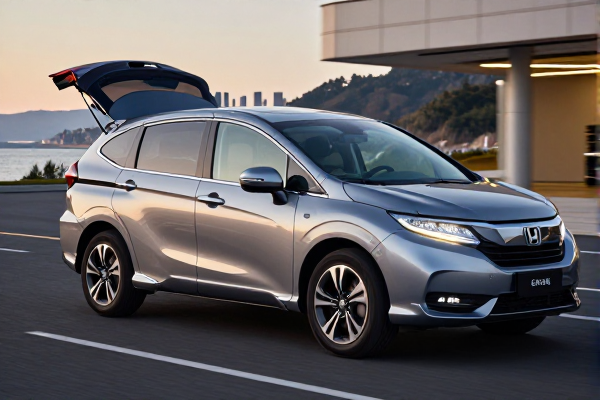
October 1, 2023 – Honda is reportedly planning to reintroduce the beloved Element model as a hybrid vehicle by 2029, according to a recent report from Automotive News. This revival aims to capitalize on the compact crossover's enduring fan base and the growing demand for eco-friendly utility vehicles, marking a strategic move in Honda's electrification roadmap.
Despite being discontinued in 2011 after only one generation, the Honda Element developed a cult following over its eight-year run. Its appeal stemmed from a unique blend of boxy, utilitarian design, a spacious and wash-out interior, and affordable pricing. Fans, including celebrities like Hannah Einbender from HBO's "Hacks," continue to praise the model for its practicality and charm, highlighting its lasting impact in the automotive community. This nostalgia has fueled speculation and demand for a comeback, with online forums and social media buzzing about potential updates.
Automotive News, citing anonymous sources familiar with Honda's plans, indicates that the revived Element will debut as a hybrid, aligning with Honda's broader shift toward electrification. The model is expected to slot between the HR-V and CR-V in Honda's lineup, targeting a production goal of approximately 100,000 units in its first year. Manufacturing is likely to occur at one of Honda's Ohio assembly plants, supporting local economies and streamlining logistics for the North American market. While official details remain scarce, insiders suggest the project is in advanced planning stages, with design and engineering teams working to modernize the iconic vehicle.
The original Element's distinctive features, such as its squared-off silhouette and versatile cabin, are anticipated to carry over with contemporary updates. Honda's recent design language, seen in boxier iterations of the Passport and Pilot, hints at a seamless transition to a modern aesthetic. Industry trends toward overlanding and adventure-ready vehicles may also influence the new Element, potentially reintroducing fold-flat seats and durable, easy-clean materials. However, the iconic rear-hinged doors and B-pillar-free design—key to the Element's open interior—remain under discussion, with engineers weighing practicality against safety and cost considerations.
From a market perspective, Honda's decision to revive the Element as a hybrid reflects strategic positioning in a competitive segment. Hybrid compact crossovers are gaining traction among consumers seeking fuel efficiency without sacrificing utility. Exclusive analysis suggests that Honda aims to capture a niche audience of eco-conscious buyers and former Element owners, leveraging brand loyalty to boost sales. According to industry experts, this move could help Honda differentiate itself in a crowded market, especially as rivals like Toyota and Ford expand their hybrid SUV offerings. Early projections indicate potential strong demand, particularly in urban areas where compact size and environmental benefits are prized.
In an exclusive insight, automotive analysts note that Honda's hybrid technology, such as the e:HEV system used in models like the CR-V Hybrid, could be adapted for the Element. This would enhance performance and efficiency, potentially offering all-wheel-drive capabilities for off-road enthusiasts. Additionally, Honda's commitment to sustainability, including goals for carbon neutrality by 2050, aligns with this revival, positioning the Element as a bridge to fully electric vehicles. Consumer surveys reveal that over 60% of former Element owners express interest in a hybrid version, citing nostalgia and practicality as key drivers.
The potential return of the Honda Element also sparks discussions about automotive design trends. Its retro-futuristic look may resonate with current shifts toward bold, functional aesthetics in the SUV market. If launched, the hybrid Element could influence competitors to revisit discontinued models, fostering innovation in the hybrid and electric spaces. Honda's history of reliability and innovation adds credibility to this venture, though challenges like supply chain constraints and evolving regulations will need addressing. The company's recent investments in U.S. manufacturing further support a smooth rollout, aiming for a 2029 debut that coincides with industry-wide electrification milestones.
Overall, the rumored comeback of the Honda Element as a hybrid represents more than just a model revival—it's a testament to the power of community and evolving consumer preferences. As details emerge, enthusiasts and analysts alike will watch closely for official announcements, hoping for a blend of classic charm and modern technology. Honda's ability to balance nostalgia with innovation could set a new standard in the hybrid SUV segment, driving forward both brand loyalty and environmental progress.