Browse

Log in / Register
 Share

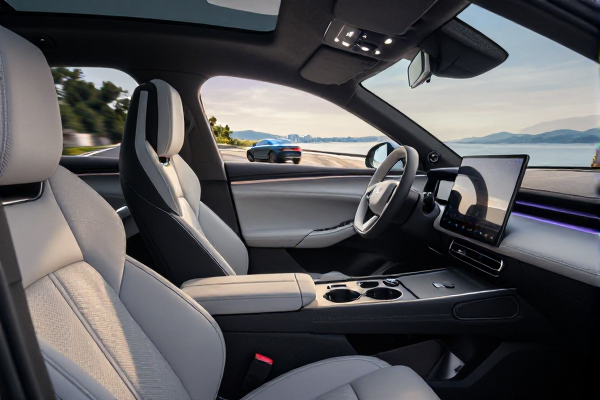
May 15, 2025 — Google unveiled a major refresh of the Play Store experience for cars powered by Android Automotive, adding Firefox, new streaming services, and smarter app sorting based on driving state.
The update lands as Google pushes to make its car-native operating system more compelling against Apple's CarPlay and legacy rivals. Unlike Android Auto, which mirrors a phone, Android Automotive runs directly on the vehicle's hardware, and Google wants that platform to feel just as rich as a smartphone.
Firefox is now available on Android Automotive, joining Chrome and Vivaldi as supported browsers. Mastodon browsing or news reading on the center screen is only allowed while parked, a safety restriction that the interface enforces through a drive-state detection system. Entertainment apps such as Starz, JioHotstar, and Ludo King also arrive, though they likewise lock out while the car is in gear.
YouTube gets a smart behavior shift: full video plays when the vehicle is parked, then automatically switches to audio-only background playback once the driver starts moving. That's a strong fit for long-form interview shows, news recaps, and music video compilations that work as "podcasts with pictures." Google has not yet said if this applies to all YouTube accounts or only Premium tiers.
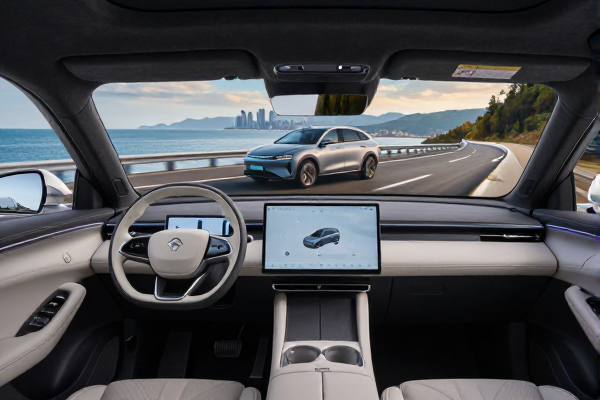
The Play Store itself is being redesigned around context. Apps are now categorized as "parked" or "driving" so drivers can quickly grab voice-friendly navigation or music tools without scrolling, while parked-only apps hide away during motion. The store also adds curated featured sections, trending apps, and personalized recommendations. According to Google, the catalog now exceeds 700 apps designed specifically for the automotive environment.
This update also expands the industry footprint. Mazda, Honda, BYD, Polestar, and Volvo join the list of manufacturers integrating Google built-in into their future models. Media partners now include Audible, Pandora, SiriusXM, Amazon Music, TuneIn, Gaana, and The Post, giving car owners a wider range of audio content without touching a phone.
Google's preferred term, "cars with Google built-in," now spans 16 brands and more than 100 models. Notably, General Motors is part of that trend after dropping Android Auto from its EVs and trucks — the upcoming 2027 Chevrolet Silverado 1500 and GMC Sierra 1500 will run Android Automotive natively, showing how the platform is moving from small infotainment experiments to full-scale production fleets.
Why this matters: Google's timing is strategic. Earlier this year, the company announced plans to open-source Android Automotive, enabling carmakers and third-party developers to customize the UI more deeply. With Firefox and background audio now in place, the platform is positioning itself as the default digital cockpit for a wave of new vehicles — competing not just with phone projection but with the entire app economy that users expect inside the car.
The rollout begins over the next few weeks via over-the-air updates on cars already equipped with Google built-in. No action is needed from drivers; the store and its new features will appear automatically on the dashboard display. As the car app ecosystem matures, expect even more browser and streaming options — and a clear separation between what you can do parked versus on the move.