Browse

Log in / Register
 Share
Share

June 23, 2025 – General Motors and SAIC Motor have signed a 20-year extension of their 50-50 joint venture, marking a strategic pivot for the U.S. automaker as it leverages China as a low-cost production and export hub. The renewal comes after GM’s sweeping restructuring in China—including plant closures and model cuts—and signals its determination to stay competitive against surging domestic rivals like BYD.
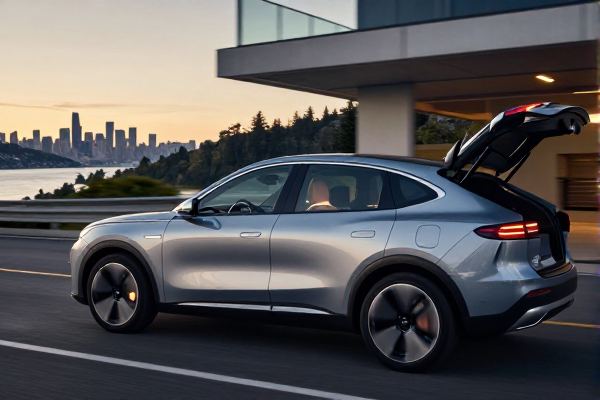
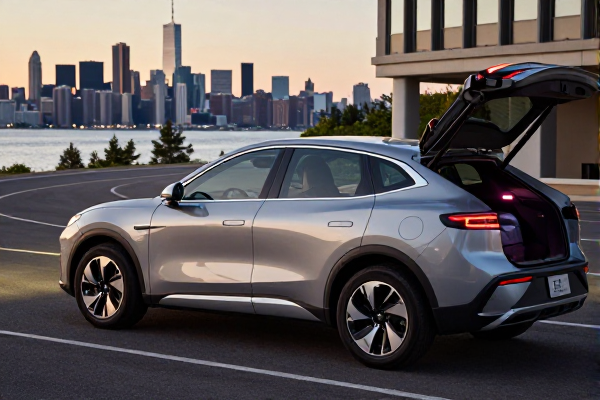
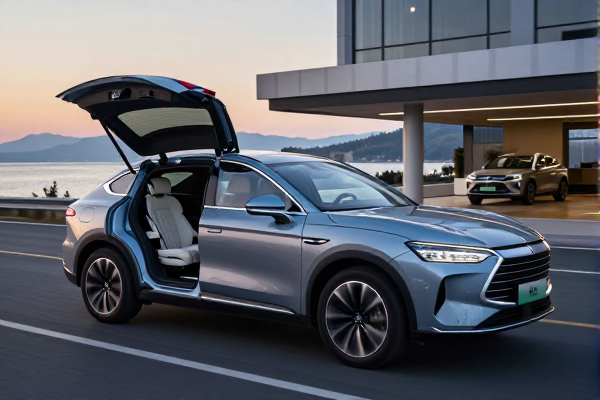
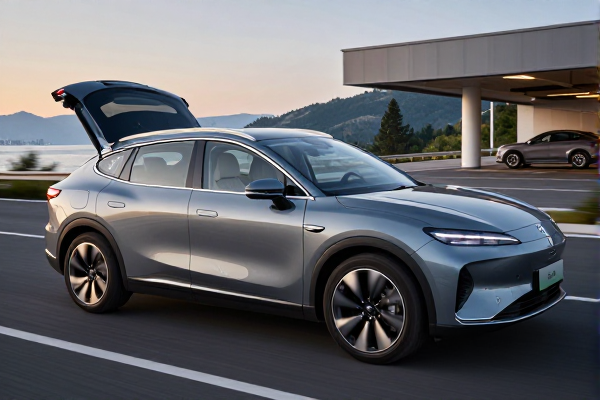
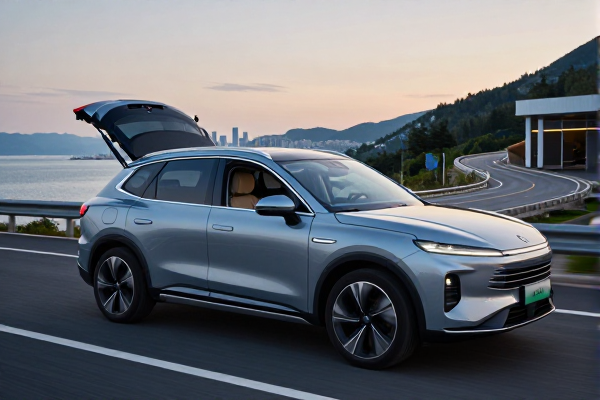
Under the renewed agreement, GM will prioritize its Cadillac and Buick brands in China while phasing out Chevrolet sales in the domestic market. However, Chevrolet vehicles will still be produced and exported through GM’s separate joint venture with SAIC and Wuling, targeting markets in the Middle East, Africa, South America, Mexico, and other parts of Asia. The first export wave will feature the China-developed Buick Electra series, starting later this year.
The extension reflects a broader industry trend: foreign automakers are deepening ties with Chinese partners to access local R&D and cost advantages, even as geopolitical tensions persist. “SAIC-GM sets a benchmark for other joint ventures between Chinese and foreign automakers,” said Lei Xing, a U.S.-based independent auto analyst. “By feeding China’s innovation back into GM’s global network, the partnership provides a template for survival in a rapidly shifting market.”
GM’s sales in China have more than halved from their 2017 peak of 4 million vehicles, largely due to a weak lineup of competitive electric vehicles. To counter this, SAIC-GM plans to launch at least 30 fully electric or hybrid models by 2030, with an emphasis on locally developed technology. The Buick Electra E7 SUV, for example, sold over 10,000 units in its first month on the market—a sign that Chinese-developed powertrain and intelligent features are resonating with buyers.
The renewed partnership also marks a financial turnaround. After suffering steep losses in China earlier this decade—where it once earned $2 billion annually—GM posted consecutive quarterly profits following the 2024 restructuring. The restructuring included non-cash charges totaling more than $5 billion on its joint venture, but the company now sees the potential for sustainable profitability.
“GM’s commitment to China is not just about selling cars; it’s about using the country’s R&D ecosystem to stay competitive globally,” said a Shanghai-based automotive consultant who spoke on condition of anonymity. “The 20-year renewal locks in access to China’s supply chain and talent, which is critical for any automaker targeting the EV transition.”
SAIC echoed this sentiment, stating in a separate release that the renewed partnership would allow “local innovation to be shared globally.” For GM, the deal also provides a hedge against trade barriers: the company has no plans to export joint-venture vehicles to the United States, citing tariffs and national security policies that block Chinese-developed technology.
The renewal follows similar moves by Honda and Volkswagen, who have also extended Chinese joint ventures despite losing market share. Analysts warn that the competitive pressure will only intensify as BYD and other domestic brands accelerate their global expansion. Yet for GM, the 20-year timeline offers a rare period of stability in a region that has been anything but stable.
Key numbers:
The next test for GM will be whether it can translate its revamped China strategy into global growth—especially in emerging markets where Chinese brands have already gained a foothold.