Browse

Log in / Register
 Share

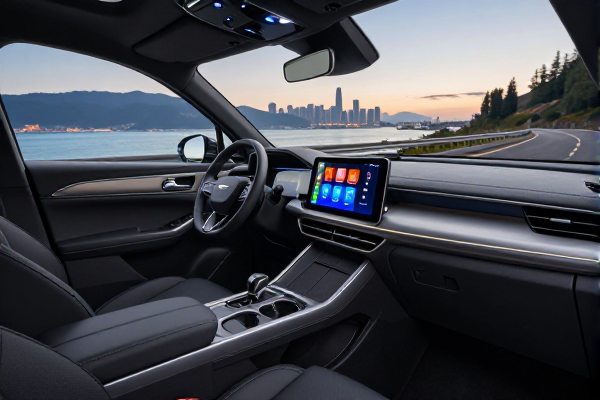
General Motors appears to be backing away from its earlier plan to eliminate Apple CarPlay and Android Auto from future vehicles, a shift that underscores how strongly buyer preferences can shape automaker technology decisions.
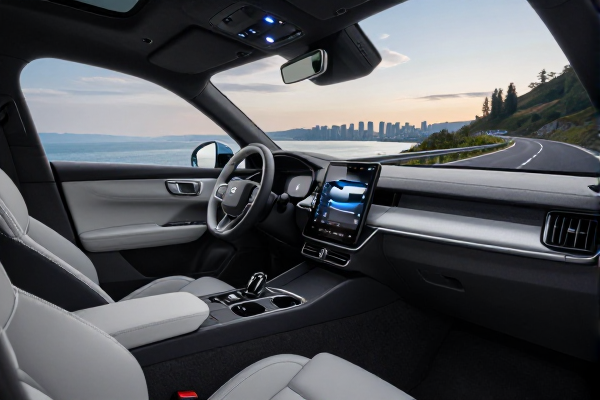
The latest development: After announcing in 2023 that it would phase out smartphone mirroring platforms—starting with its electric vehicle lineup—GM now seems to be reassessing that approach. According to a report from CarBuzz, the automaker’s Cadillac division still lists both Apple CarPlay and Android Auto as standard features on the configurator for several 2027 model-year vehicles, including the Lyriq EV.
The Lyriq’s continued support for the two platforms is particularly telling, given that Cadillac has positioned itself as a technology-forward brand and the Lyriq is a flagship electric model. CarBuzz noted that the listing remains active, suggesting the company has not yet removed the software from its production plans.
Official statement: A Cadillac spokesperson told CarBuzz: “Cadillac is continuing to evolve its infotainment strategy across the EV portfolio, based on customer feedback, while also prioritizing the native, in-vehicle experience.” The phrasing hints at a compromise: GM may offer both its own Ultifi platform and third-party smartphone integration, at least for a transitional period.
Consumer pressure driving the shift: Industry data supports the notion that dropping Apple CarPlay could be a risky move. A 2024 survey by American Trucks found that 55% of U.S. drivers said the absence of Apple CarPlay would be a dealbreaker when purchasing a new vehicle. CarPlay and Android Auto have become near-ubiquitous expectations, especially among younger buyers who rely on seamless navigation, messaging, and music streaming through their phones.
The balancing act GM faces: On one hand, GM wants to control the in-vehicle experience to collect data, sell subscriptions, and build a proprietary ecosystem around its Ultifi software platform. On the other hand, alienating customers who value the convenience of smartphone mirroring could hurt sales of its EVs, where GM already faces stiff competition from Tesla, Ford, and Hyundai.
What experts say: Automotive technology analyst Sam Abuelsamid of Guidehouse Insights commented: “Automakers have learned that removing CarPlay and Android Auto is a tough sell. Ford tried a similar approach with its own Sync system years ago and eventually had to add back smartphone mirroring. GM’s apparent reversal shows that even a giant like GM can’t ignore customer demand.”
Not just GM — industry trend: The shift is part of a broader industry pattern. While Tesla and Rivian have never offered CarPlay, most legacy automakers support it. BMW considered a walled-garden approach but backed down after customer backlash. The growing consensus: offering both native infotainment and smartphone mirroring gives consumers the best of both worlds.
Looking ahead: GM has not issued a formal press release about the phaseout policy change. However, the Lyriq’s configurator listings suggest the company is testing the waters. If the trend continues, GM may officially announce that future models will retain CarPlay and Android Auto, likely with deeper integration into its own system.
Why this matters: The decision could affect GM’s entire EV lineup, including the Chevrolet Blazer EV, Silverado EV, and GMC Hummer EV, which were originally slated to drop smartphone mirroring. For buyers who consider CarPlay a must-have feature, GM’s move could be a pivotal factor in their purchase decision.
Bottom line: GM’s apparent reconsideration highlights a fundamental truth: in the automotive tech war, the consumer still holds the strongest hand. The company’s next move will be closely watched by competitors and drivers alike.
(Based on reporting by CarBuzz; additional commentary from Guidehouse Insights. Published April 12, 2025.)