Browse

Log in / Register
 Share


Germany on Monday, April 27, 2026, released a national roadmap to end fossil-fuel use in its energy sector by 2045. The strategy, presented on the sidelines of the UN General Assembly, combines power-sector reforms, transport electrification, heating changes and industrial decarbonization in one timeline. It also reframes the transition as an economic security play: money currently spent on imported oil and gas should be redirected into domestic infrastructure.
A single timeline for coal, gas, cars and boilers
The roadmap is Germany's response to a request that the United Nations Secretary-General António Guterres has been directing at all member states. He wants every country to submit a fossil-fuel phaseout plan with clear timelines and safeguards for affected workers and communities.
Renewables supplied roughly 55% of German electricity last year. Under the new plan, that share will have to reach at least 80% by 2030. To make this possible, Berlin says it will add about 2,000 more wind turbines and invest in batteries and grid upgrades so that peak demand doesn't force extra coal or gas generation.
Coal is the first fuel slated for elimination. German law already says all coal-fired power plants must close by 2038. That deadline has been on the statute books since 2020. The roadmap now raises the possibility of moving the cutoff forward to 2035. Coal accounted for almost a quarter of Germany's electricity generation in 2025, so the date shift is not trivial. Network operators, utilities and mining-region governments will need to adjust their decommissioning plans.
Gas receives more conditional treatment. Any new gas plant that receives state funding must be built "hydrogen-ready," and must run on climate-neutral fuels by 2045. The document doesn't provide a precise definition of those fuels, but German energy policy usually includes green hydrogen, biomethane and synthetic fuels made with renewable power.
Transport: subsidies for EVs
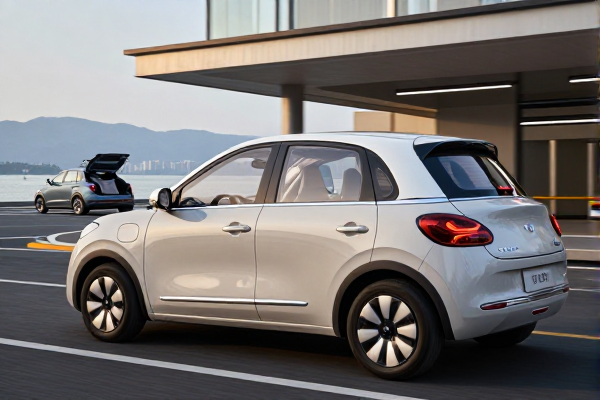
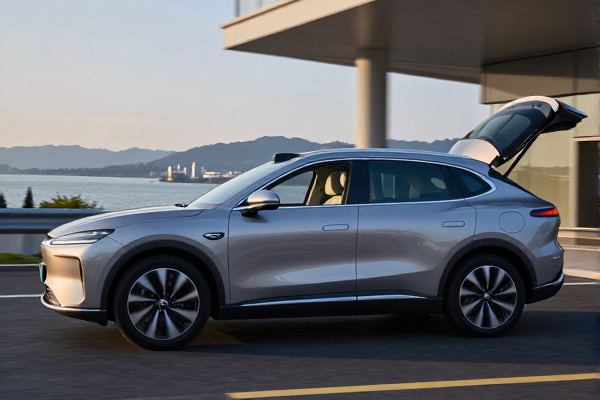
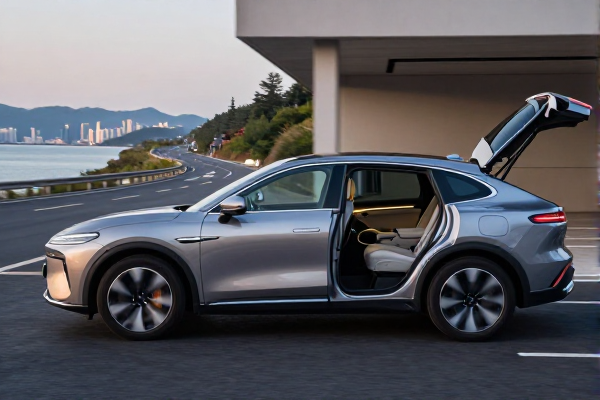
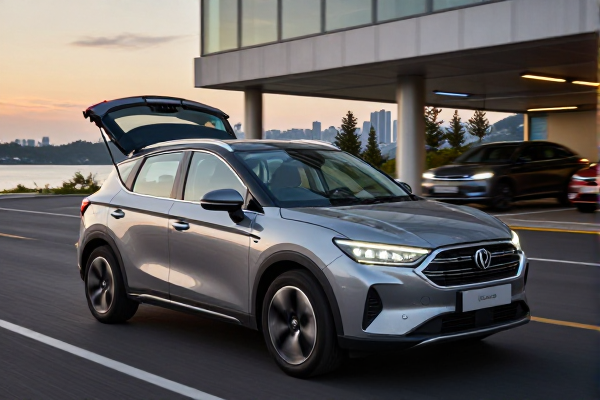
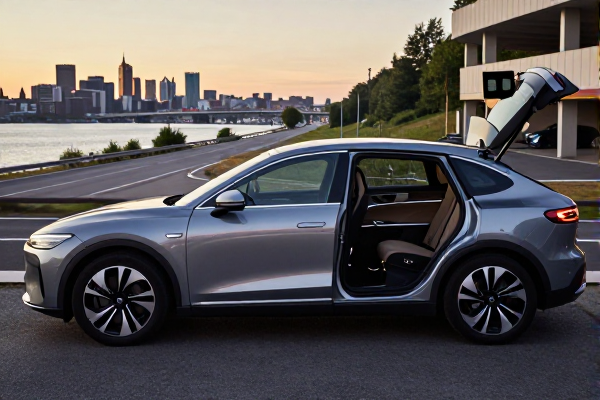
Electric mobility is the cornerstone of the transport section. The government promises €2.8 billion in purchase subsidies for electric cars, aimed specifically at lower- and middle-income households. That is a response to one of the clearest problems in Germany's energy transition: while electric-vehicle sales have grown, high upfront costs still keep many buyers out of the market.
The roadmap's official projection is that by 2035, every new car sold in Germany will be electric. For trucks, ships and planes, the expectations are more mixed. Those sectors will need a combination of battery-electric power, "sustainable" biofuels and hydrogen-based fuels, though the document offers few supply targets for any of them.
Heat pumps and the future of heating
Heating accounts for a large share of German final energy consumption. The plan concentrates on replacing gas- and oil-fired boilers with heat pumps, supported by grants. There is also a transition provision for people who install fossil-fuel heating equipment after the roadmap enters effect: they will have to use an increasing share of climate-neutral fuels from 2029, rising to 60% by 2040. A further proposed quota would make fuel suppliers switch entirely to climate-neutral heating fuels from 2045.
Industry: electrify, improve efficiency, capture what's left
For industry, the strategy is less about banning a specific fuel and more about changing the way factories consume energy. Electricity and hydrogen are the main substitutes for coal and gas. Energy-efficiency improvements will be required across industrial processes. Where emissions are difficult to eliminate, such as cement or chemicals, the roadmap leaves room for carbon capture and storage.
The economic argument
Germany's Environment Minister, Carsten Schneider, called the roadmap an economic policy strategy as much as a climate policy. The numbers help explain why. Germany spent about €76 billion on fossil-fuel imports in 2024, and roughly two-thirds of that went to oil and petroleum products. The rest was spent on natural gas and coal. Each euro shifted from imports to domestic supply means more investment in German manufacturing, grid construction, wind farms and battery factories.
The emphasis on independence is not accidental. Germany's experience after 2022, when a sudden drop in Russian pipeline gas forced the government to accelerate LNG imports and trigger emergency fuel-switching measures, left lasting political scars. Reducing fossil-fuel imports is now presented as both climate policy and risk management.
The International Energy Agency has repeatedly stressed that policy credibility is the difference between a smooth energy transition and a disorderly one. Without fixed phaseout dates, investors tend to keep backing fossil-fuel infrastructure that later becomes too risky to operate. Germany's roadmap tries to give that certainty, although its status as a strategy document means the next parliament will still have to turn targets into law.
Reaction: credit, but not enough
Reactions show that even a relatively ambitious national roadmap does not fully satisfy climate campaigners.
Jennifer Morgan, former German climate envoy, described the plan as a welcome step but stressed that delivery needs a faster, deliberately managed phaseout alongside a large-scale clean-electrification push. In her view, the roadmap cannot simply be a paper exercise; it has to be translated into legislation with deadlines.
Laurie Van Der Burg, public finance lead at Oil Change International, was harder. Germany, she said, deserves credit for publishing its roadmap, but the effort is not proportional to the scale of the climate crisis or to Germany's responsibility as a wealthy country with historical emissions. She urged the government to stop financing fossil-fuel projects and to redirect public money toward renewables.
Strategic Perspectives executive director Linda Kalcher framed the roadmap in regional terms. She argued that the targets in the three national roadmaps published so far still fall short of what would be needed for real energy security, but they nevertheless send a powerful message to fossil-fuel exporters: a large share of the European market is already planning for a future with shrinking demand for coal, oil and gas.
The European picture
At the COP30 summit in Belém, Brazil, last year, around 80 countries pushed for a global roadmap to transition away from fossil fuels. That attempt failed to win consensus. Since then, national governments have moved at different speeds.
Germany is now the third European country to issue a national fossil-fuel transition roadmap. France has fixed end dates of 2030 for coal, 2045 for oil and 2050 for gas, although its plan mostly brings together existing policies. The Netherlands, by contrast, has not yet set a binding end date for fossil-fuel production or use; its government only says the country should "minimise" them by 2050.
The difference matters because these countries are looking at the same EU energy market. If Germany and France keep their dates and enforce them, utilities and investors will have a predictable demand path. If countries hesitate, the window for an orderly energy transition narrows.
What to watch now
The roadmap is a strategy document, not a binding law. Several elements still need parliamentary approval and coordination with state governments, especially the coal phaseout date and the heating-fuel quotas. Germany's federal system means regions with coal mines and power plants will want guarantees for structural aid.
Analysts following the sector are watching three things: whether the coal deadline moves from 2038 to 2035; how quickly the EV subsidy scheme is rolled out; and whether hydrogen infrastructure receives the same strategic priority as electricity grids. The roadmap answers some of those questions but leaves others open. What is certain is the direction: the German energy sector is being redesigned around electricity, clean fuels and efficiency, not fossil-fuel imports.