Browse

Log in / Register
 Share


Updated Oct. 12, 2026
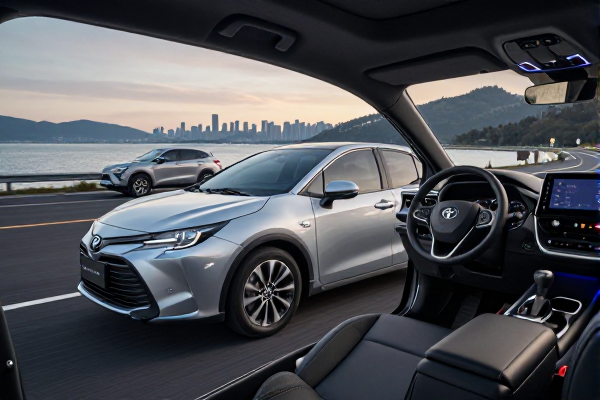
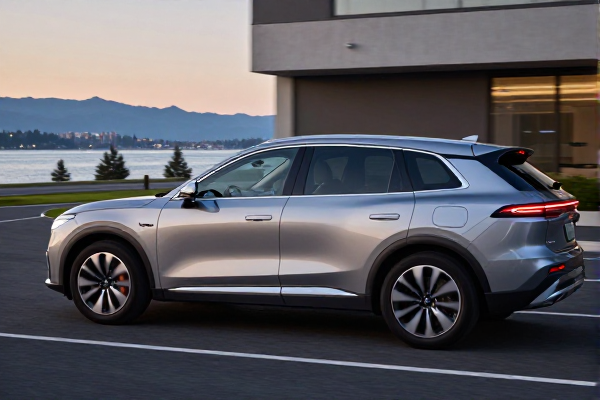
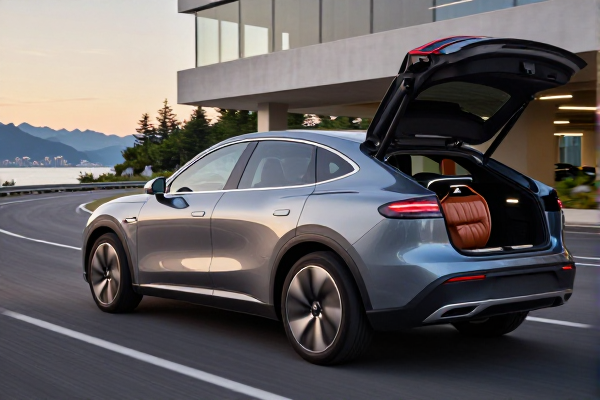
Geely Auto Group has confirmed that its mainstream Geely brand will enter Canada, with the first deliveries expected in 2027. The announcement, posted on the official Geely Auto Group X account on Friday, Oct. 9, says the company has already started setting up Canadian operations and is building a retail and service network. The brand is now looking for dealers.
Models and pricing will be announced later. For now, Geely says updates will be posted on Geely.ca.
The key turning point was a January meeting in Beijing. Prime Minister Mark Carney and Chinese President Xi Jinping signed a trade deal that replaced Canada's 100% tariff on Chinese-made EVs with an annual import quota of 49,000 vehicles. Each vehicle enters at a 6.1% tariff, while China agreed to ease its tariffs on Canadian canola.
The quota opened March 1. Global Affairs Canada has been issuing import permits on a first-come, first-served basis. By mid-October, nearly 16,000 Chinese-made EVs had already entered Canada under the arrangement.
Ottawa has also attached conditions to the program. The federal government wants half of the quota used by EVs priced under $35,000 by 2030. It also wants Chinese automakers to consider joint ventures that build cars in Canada, not just ship them in.
Bryan Wu, managing director of Geely Auto Canada, called Canada "an important next step" and stressed that the brand knows "trust is earned over time." Geely says it wants dealer partners who have strong roots in their communities.
This is a deliberate choice. Geely is not promising a massive store count or a direct-sales push. Instead, the company is going through conventional dealer recruitment. For Canadian buyers, that could be reassuring: a real dealer network usually means local service, warranty support and a physical place to go when something goes wrong.
Geely's timeline suggests the company is willing to start small and build slowly.
The exact wording of the announcement was careful. Geely said it is building a retail and service network and looking for experienced local partners. In Canada, that means independent dealers are likely to be the face of the brand.
A dealer network takes time to assemble. Dealers need training, parts systems, service equipment and a clear sense of the brand before the first car arrives. But done well, it addresses one of the biggest problems facing Chinese carmakers in North America: consumer trust.
People often buy cars from people they trust. An unfamiliar brand needs more than a competitive price. It needs someone in a local showroom willing to answer questions, arrange test drives and stand behind the warranty. Geely appears to understand that.
Geely Auto Group is not a fringe player. Its brands include Zeekr and Lynk & Co, and the group says it sells in more than 100 countries and regions.
The numbers back that up. Geely Auto Group sold more than 3.02 million vehicles worldwide last year, including nearly 1.69 million electrified vehicles. So far in 2026, the group has already delivered more than 2.23 million vehicles.
That scale matters. Entering Canada is expensive, and a company with this kind of global volume can afford to be patient. It also has deeper experience with electrified powertrains, which could help it adapt quickly to Canadian conditions and buyer expectations.
Geely is not the only Chinese automaker moving on Canada. BYD, the most visible Chinese EV brand in the country right now, plans to have 20 Canadian sales locations this year. It started a Toronto hiring push in June.
That same month, federal Industry Minister Mélanie Joly flew to China for discussions with BYD, Chery and Geely about potential investment in Canada. The meetings signaled that Ottawa sees Chinese automakers as more than just importers. It views them as possible local producers.
The effect is already visible. With nearly 16,000 Chinese-made EVs entering the country under the new quota, the novelty is fading. Shoppers now have real choices. When Geely arrives in 2027, it will be entering a market where other Chinese brands already have service networks and owner communities.
Pushing the launch to 2027 has clear practical benefits. It gives Geely time to sign dealers, train technicians, set up parts distribution and meet Canadian certification requirements. It also lets the company watch how BYD and other Chinese brands perform in Canada before making bigger bets.
For consumers, the wait is less exciting. Anyone hoping to buy a Geely this year will be disappointed. But for a brand with no history in Canada, showing up too early with weak support would be worse. A rushed entry could damage the brand for years.
The 2027 timeline also gives Geely room to react to new federal policy, possible quota adjustments and shifting buyer preferences. That flexibility is an advantage.
For U.S. observers, what happens in Canada is worth watching. Chinese-made EVs are effectively kept out of the United States by a 100% tariff, but Canada has opened a quota-based path. That makes Canada a regional test case for Chinese-brand electric vehicles in North America.
If Geely, BYD and other Chinese brands build credible Canadian operations, their approach to pricing, dealers, service and consumer trust could shape strategies for the broader region. It also gives policymakers and analysts real data on how North American drivers respond to Chinese-made EVs outside China.
Geely's Canadian launch is, in that sense, more than a Canadian story.
The list of confirmed facts is short: 2027 arrival, dealer-first plan, Geely.ca as the official update channel. The missing pieces are far more important.
Those answers probably will not arrive until closer to the launch. Until then, the dealer appointment process and Geely.ca are the signals to watch.
Geely's Canadian entry is official. The first cars will not arrive until 2027, but the process has already started: the trade quota is active, import permits are being issued, Chinese-made EVs are on Canadian roads, and Geely is recruiting dealers.
Geely's success will depend on execution. Can it sign strong dealer partners, price its vehicles competitively, and persuade Canadians to trust a brand they have never seen in local showrooms? That remains to be seen.
In the meantime, the coming months will show whether Geely can turn an announcement into a real network. For Canadian car shoppers, the brand's 2027 arrival is now worth following.
Would you consider a Geely as your next car? The answer may get easier once pricing and Canadian specifications are released.