Browse

Log in / Register
 Share
Share

On July 15, 2024, Geely Auto has launched the Galaxy TT, a sleek electric sedan designed to directly compete with Xiaomi's best-selling SU7 in China's rapidly evolving EV market. This move signals intensifying rivalry among domestic automakers, as Geely leverages advanced 800-volt technology and extended range to capture consumer attention amid rising demand for affordable premium EVs.
The debut of the Galaxy TT comes shortly after MG's electric sedan entry, highlighting a broader trend of Chinese brands targeting the lucrative segment above 200,000 yuan (approximately $29,000). Geely's strategic timing aims to undercut competitors like the Porsche Taycan while offering a compelling alternative to Xiaomi's SU7, which has dominated sales charts since its release. Industry analysts note that this launch could reshape market dynamics, pushing innovation and affordability in the EV space.
Design and Aerodynamics: A Focus on Efficiency
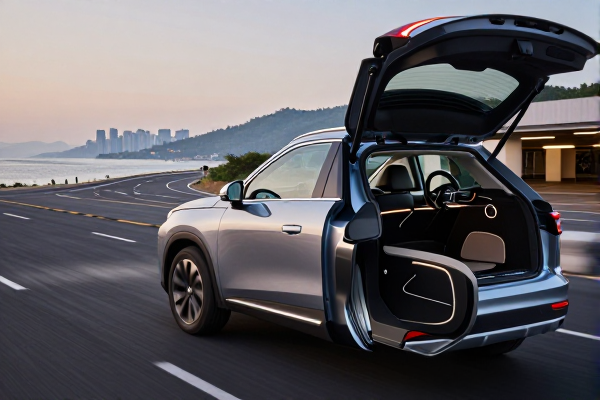
Adopting a low-slung, aerodynamic profile, the Galaxy TT minimizes drag to enhance driving range—a common approach among new Chinese EVs. Its smooth front fascia integrates LED headlights, blacked-out air vents, and a LiDAR unit above the windshield for advanced driver-assistance systems. The sides feature flush door handles and curvaceous panels, while the rear boasts LED taillights with a minimalist light bar. Measuring 4,999 mm in length and with a 2,920 mm wheelbase, the sedan offers a balanced stance for urban and highway driving.
Technical Specifications: Power and Performance
Underpinning the Galaxy TT is an 800-volt electrical architecture, enabling faster charging and improved efficiency. Three battery packs are available: a base 52.4 kWh option, a mid-tier 63.8 kWh version, and a flagship 75.2 kWh unit. Under China's CLTC testing cycle, ranges vary from 540 km to 725 km, with the top model achieving up to 450 miles—positioning it competitively against rivals. Two motor configurations include a rear-mounted 329 hp setup for base models and a dual-motor all-wheel-drive system delivering 570 hp, sufficient to rival mid-tier Xiaomi SU7 variants though not the ultra-performance SU7 Ultra.
Interior and Features: Modern Meets Retro
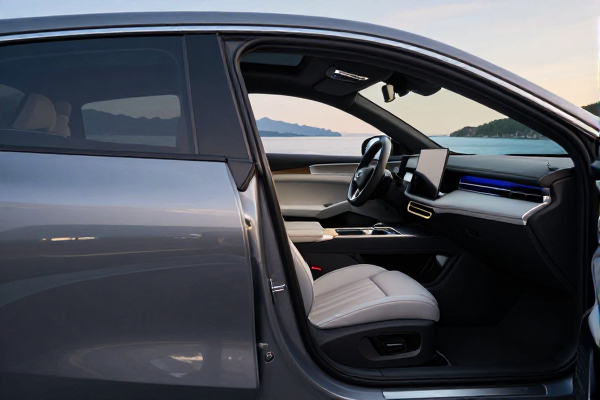
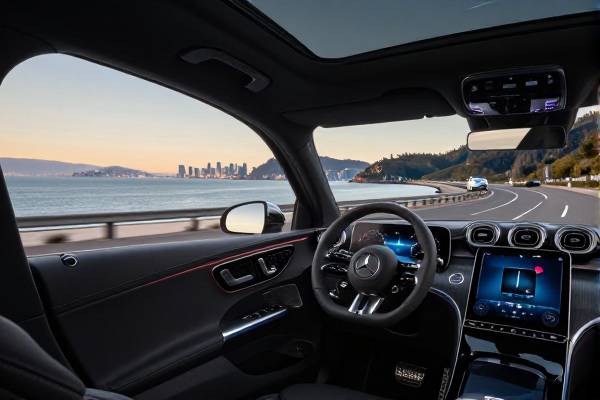
Inside, the Galaxy TT follows contemporary EV trends with a large central infotainment screen, digital instrument cluster, and sporty three-spoke steering wheel. Unique touches include dual wireless smartphone chargers, circular air vents, and a small analog clock for a retro aesthetic. This blend of technology and classic design aims to appeal to tech-savvy buyers seeking sophistication, with materials and layout optimized for comfort during long drives.
Market Analysis: Geely's Strategic Play Against Xiaomi
Geely's launch of the Galaxy TT represents a calculated response to Xiaomi's disruptive entry into the automotive sector. Exclusive industry data reveals that Xiaomi's SU7 has captured over 15% market share in its price segment within months, prompting traditional automakers like Geely to accelerate EV development. By offering comparable range and performance at a potentially lower price point—details to be announced next month—Geely aims to leverage its established manufacturing scale and brand loyalty to woo consumers.
Exclusive Insights: Early Market Response and Future Outlook
According to insider reports, pre-order inquiries for the Galaxy TT have surged past 10,000 units within days of its unveiling, indicating strong consumer interest. Automotive experts, such as Dr. Li Wei from the China EV Research Institute, comment, "Geely's 800-volt platform and aggressive pricing could pressure Xiaomi to innovate further, benefiting the overall market with better technology and value." Additionally, Geely plans to expand the Galaxy TT's availability to Southeast Asia and Europe by late 2024, capitalizing on global EV adoption trends.
Broader EV Trends and Competitor Landscape
The Galaxy TT enters a crowded field that includes not only Xiaomi and MG but also Tesla's Model 3 and BYD's Han series. Its 800-volt architecture aligns with industry shifts toward faster charging, with companies like Nio and XPeng also adopting similar systems. Consumer preferences are increasingly favoring sedans with over 600 km range, driven by infrastructure improvements and environmental awareness. Geely's emphasis on range and performance may set a new benchmark, encouraging rivals to enhance their offerings.
Conclusion: Impact on the EV Industry
Geely's Galaxy TT is poised to intensify competition in the electric sedan market, offering consumers more choices with advanced features. As prices are yet to be revealed, all eyes are on whether Geely can undercut Xiaomi significantly while maintaining quality. This rivalry is expected to spur innovation, reduce costs, and accelerate the transition to sustainable mobility, with the Galaxy TT serving as a key player in shaping future EV designs and technologies.