Browse

Log in / Register
 Share

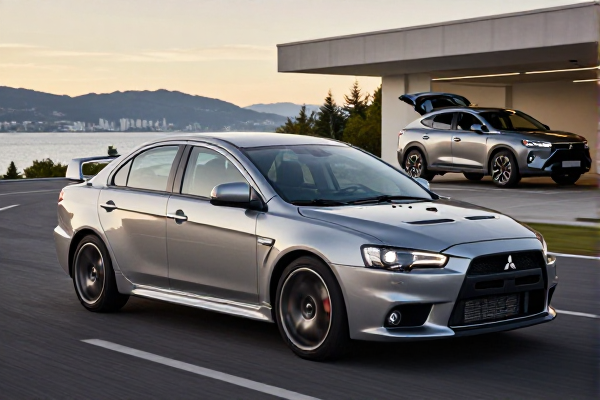
A few weeks ago, automotive columnist Paddy Comyn penned a piece about the joy of driving a classic Mercedes-Benz 500E, sparking a question that resonates with every car enthusiast: Which new cars on the road today will be the joyful classics of tomorrow? At the Cars & Coffee meets of 2056, what will middle-aged gearheads be rolling up in?
The 1990s produced some of the most unfiltered machines—built before heavy safety mandates and driver-monitoring systems. Cars felt solid, had airbags, but nothing watched your eyes for drowsiness. Today’s regulations are stricter, partly as an antidote to our phone-addicted driving habits. Yet the classic car market is booming, and those who held onto meaningful cars are reaping rewards.
I learned that lesson the hard way. Twenty years ago, after a few glasses of wine and a late-night internet scroll (I spend about 20% of any given day browsing car listings), I found a 1991 BMW 318iS in a small town. The E30 3-Series was beloved in the 80s and 90s, built in huge numbers, but by the early 2000s, cheap. I snagged mine for $2,500. A year later, I sold it for $4,000, feeling smug. Today, that same car in the US would likely cost $25,000. Lesson: hold onto the good ones.
Drawing up a list of tomorrow’s classics is tricky, especially with America’s SUV obsession. Every crossover blends into the next. Even the luxury sedan segment—once dominated by the Mercedes S-Class and BMW 7-Series—has been pushed aside by the Range Rover, a complex, occasionally troublesome machine unlikely to survive in large numbers decades from now. Then there’s the electric vehicle revolution. July 2024 marked the first month in the US