Browse

Log in / Register
 Share

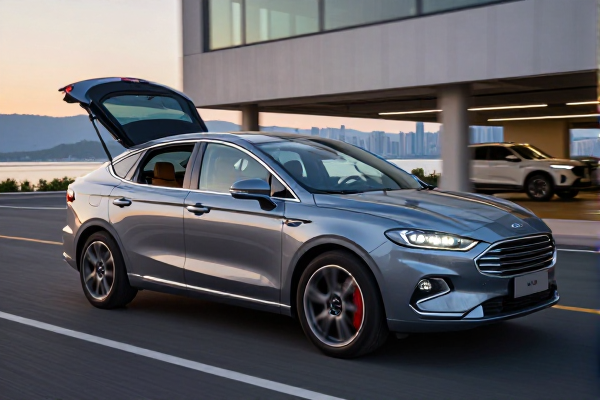
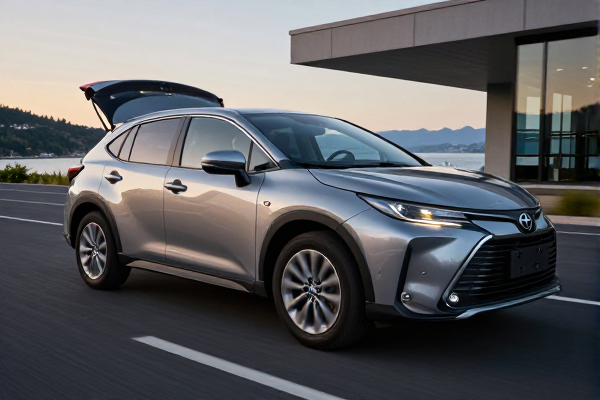
WUHU, China, Nov. 01, 2026 — Chery Automobile welcomed hundreds of international dealers, fleet operators, and prospective customers to the annual Chery International User Summit in Wuhu this week, offering hands-on drive time in the production-ready FREELANDER, the electric crossover the company hopes will become its most recognizable global nameplate. For many overseas attendees, it was the first drive of the final production model — and for Chery, a listening exercise ahead of the vehicle's overseas rollout in 2027.
Chery has hosted its International User Summit for years, but the 2026 edition carries more weight than its predecessors. Chinese EV makers are consolidating at home and confronting new trade barriers abroad, so Chery is leaning on events like this to deepen ties with the distributors and early customers who will carry the brand's message in their home markets. Organizers estimated participation from more than 80 countries across Southeast Asia, Latin America, the Middle East, Africa, and parts of Europe — regions that together account for the bulk of Chery's export volume.
Attendees moved through static displays, technical briefings, and on-road test sessions in small groups. Chery's senior engineering and product-planning staff joined debriefs after each drive — an unusual level of direct access for a Chinese automaker, and one that many guests said they appreciated.
The FREELANDER nameplate has deep roots in European SUV culture. Land Rover launched it in 1997 and retired it in 2015, but the badge was revived through a strategic collaboration between Chery and Jaguar Land Rover announced in 2024. Under that agreement, Chery builds Freelander-badged electric vehicles at its Wuhu facilities, licensing the historic name for a new generation of battery-powered models.
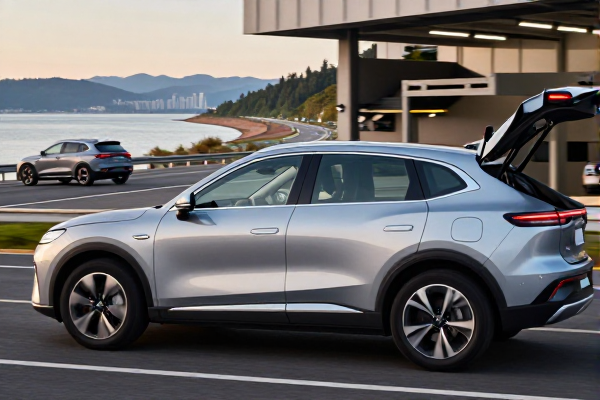
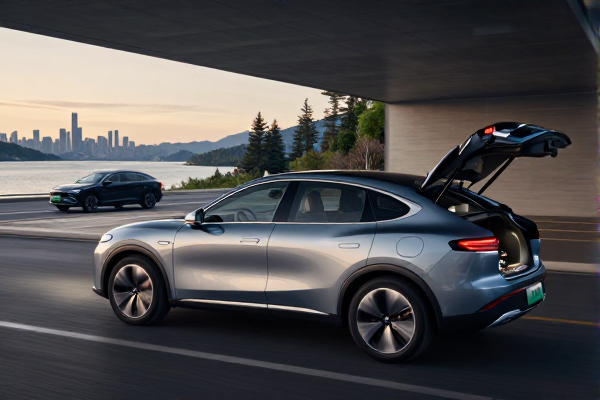
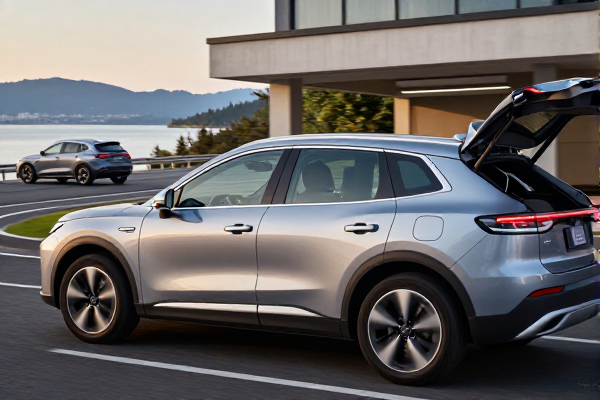
The showpiece at the summit was the launch model: a five-seat electric SUV Chery describes as a "global compact crossover." Event materials show it rides on a dedicated EV architecture shared with Chery's higher-end models, with battery capacity and driving range tuned by market. European-bound versions, for example, get a lower nominal range but faster charging curves, reflecting typical highway use and charging infrastructure; versions aimed at emerging markets emphasize range and robustness for mixed road conditions.
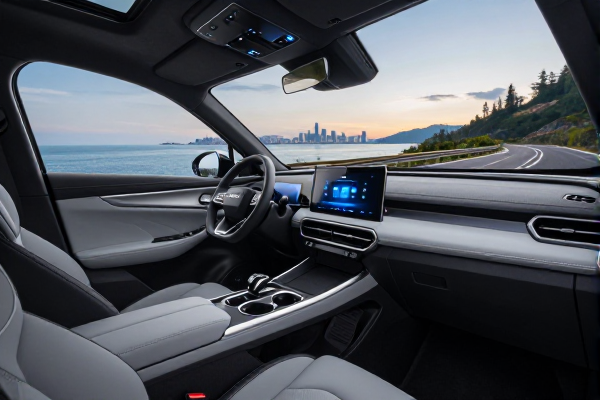
The design is a clear departure from Chery's earlier SUVs. The FREELANDER has a longer wheelbase, flush door handles, and a clean front face dominated by a slim light bar. Inside, a large central display sits alongside physical climate controls — a deliberate choice, engineers said, because international user research showed many drivers in hot climates prefer tactile controls to touch-only interfaces.
The test route paired a tight handling course laid out in the summit venue's parking lot with a 40-minute loop through Wuhu's downtown and ring roads. That combination let drivers assess low-speed maneuverability and highway stability in a single session.
Feedback was broadly positive, though not uniform. Dealers from Southeast Asia praised the FREELANDER's ground clearance and suspension travel, which they said suit the flooded and rutted roads common in parts of their region. Middle East attendees focused on air-conditioning performance and dust sealing, saying those details often decide fleet purchases. European dealers and auto journalists, meanwhile, pressed for details on software features, over-the-air update policies, and transparent pricing.
One dealer from South America, who asked not to be named because he was not authorized to speak to media, told this reporter the FREELANDER feels like a different company's product. "The interior quality is a big step up," he said. "This is not the Chery we got used to years ago."
That kind of reaction is exactly what Chery's executives have been aiming for. The FREELANDER is not an incremental product; it is a bet that the company can move beyond value-priced combustion cars and compete on technology, design, and brand cachet in the global EV market.
The most revealing parts of the summit may have been the debrief sessions. After each drive group returned, product planners ran structured feedback covering more than 30 attributes — seat comfort, pedal placement, even the sound of the door closing.
The approach marks a shift for Chery, which has historically launched vehicles in China first and adapted them for export later. With the FREELANDER, the company reversed the sequence. The vehicle was designed for simultaneous global launch from the outset, and the summit serves as a final opportunity to adjust calibration, software settings, and trim choices before production ramps up.
Chery has also addressed a long-standing dealer complaint about poorly converted right-hand-drive models. Attendees from RHD markets confirmed they were able to test a right-hand-drive prototype on a separate course, and Chery says production versions for those markets will be built on the same Wuhu line rather than converted after the fact — a costlier approach, but one that should appeal to dealers burned by past conversions.
The timing of the summit matters. Chinese EV exports face a less friendly global environment than they did a few years ago, with the European Union levying tariffs on China-built EVs and the United States maintaining restrictive trade policies on Chinese-made cars. In response, Chery has been diversifying its manufacturing footprint with plants in Spain and elsewhere, and exploring CKD assembly in several emerging markets.
The FREELANDER strategy is part of that diversification. Reviving a nameplate with strong brand equity in Europe lets Chery position the EV beyond the traditional "Chinese export" lane. The company has not disclosed pricing, but analysts at the summit speculated that European pricing will undercut mainstream rivals while leaving room for the brand to move upmarket later.
Chery's export record supports the ambition. The automaker has ranked among China's largest vehicle exporters for years, with overseas sales exceeding 900,000 units annually in recent years and a sales network spanning more than 80 countries and regions. The FREELANDER is meant to be the premium spearhead of that network — a higher-margin product that lifts the entire portfolio's image.
Officials at the summit said the FREELANDER will enter pilot production at Chery's Wuhu plant in the first half of 2027, with global deliveries starting in the third quarter. A longer-wheelbase seven-seat variant, shown earlier in concept form, is expected within 18 months. A hybrid version aimed at markets with limited charging infrastructure is already in the engineering phase, Chery confirmed.
For the international guests in Wuhu, the message was clear: Chery wants the FREELANDER to be judged not as a Chinese car trying to go global, but as a global car built in China. Whether it delivers will be tested in dealerships from Santiago to Riyadh to Rotterdam in the years ahead.
For now, the verdict shows up in small observations — the way a dealer from Colombia studies the panel gaps, the quiet conversation between two European importers about residual values, the thumbs-up a Middle East fleet buyer gives as he steps out of the driver's seat under the Wuhu sun.