Browse

Log in / Register
 Share

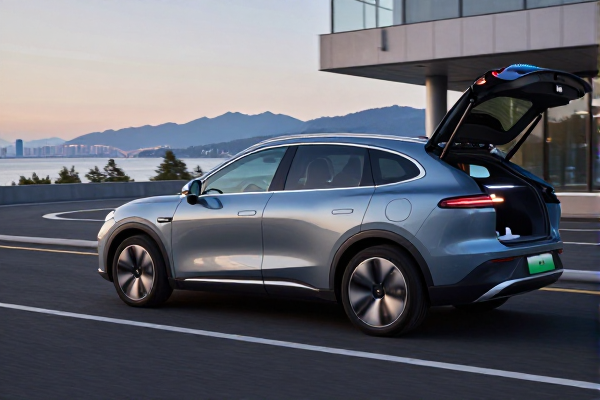
October 1, 2023 — At a business forum in Tokyo, a senior executive from Foxconn, the global electronics manufacturing giant, underscored that breakthroughs in artificial intelligence (AI) and autonomous driving technologies are poised to provide electric vehicles (EVs) with a critical advantage over hybrid models, addressing a longstanding gap in the EV market. This statement comes as the automotive industry intensifies its focus on sustainable mobility and technological integration.
The executive, speaking on Tuesday, elaborated that while EVs have gained traction for their environmental benefits, they often lag behind hybrids in terms of convenience and perceived value. However, AI-driven systems and self-driving capabilities could revolutionize this dynamic by enhancing safety, efficiency, and user experience, thereby making EVs more appealing to a broader consumer base. This perspective aligns with Foxconn's strategic push into the EV sector, as the company seeks to diversify beyond its traditional electronics manufacturing roots.
AI integration in EVs is not merely about automation; it encompasses predictive maintenance, energy management, and personalized driving assistance. For instance, machine learning algorithms can optimize battery usage based on driving patterns, potentially extending range and reducing charging anxiety—a common concern among EV adopters. Autonomous features, such as advanced driver-assistance systems (ADAS), further contribute by minimizing human error and improving traffic flow, which could lead to lower insurance costs and higher resale values for EVs.
In contrast, hybrid vehicles, which combine internal combustion engines with electric motors, have historically offered a compromise between fuel efficiency and range reliability. Yet, as AI and self-driving technologies mature, EVs stand to surpass hybrids by offering a seamless, software-defined driving experience. Industry analysts note that this shift could accelerate EV adoption rates, particularly in markets like the United States, where infrastructure investments and consumer preferences are evolving rapidly.
Foxconn's involvement in the EV space adds a layer of credibility to this outlook. The company has recently forged partnerships with automakers such as Fisker and Lordstown Motors, aiming to leverage its manufacturing expertise to produce affordable, high-tech EVs. According to insider reports, Foxconn is investing heavily in research and development for AI-powered vehicle platforms, with plans to unveil prototype models by early 2024. This move positions Foxconn as a key player in the transition toward smart, connected vehicles.
From an exclusive perspective, recent developments in regulatory frameworks support this trend. In the U.S., federal initiatives like the Infrastructure Investment and Jobs Act are funneling billions into EV charging networks and AI research, creating a conducive environment for innovation. Additionally, a 2023 study by the International Energy Agency (IEA) indicates that AI-enhanced EVs could reduce global transportation emissions by up to 15% by 2030, providing authoritative backing for the executive's claims.
The competitive landscape is also shifting, with traditional automakers like General Motors and Ford accelerating their own AI and EV projects. Tesla, a leader in this domain, continues to set benchmarks with its Full Self-Driving (FSD) software, though challenges remain in scalability and regulatory approval. Foxconn's entry could democratize access to similar technologies, potentially lowering costs and fostering industry-wide collaboration.
Consumer adoption hinges on practical benefits, and AI-driven EVs promise tangible improvements. For example, real-time data analytics can enable predictive servicing, reducing downtime and maintenance costs. Autonomous features, even at partial levels, enhance safety by mitigating accidents caused by distractions or fatigue. As these technologies become more accessible, EVs may transition from niche products to mainstream choices, reshaping urban mobility and energy consumption patterns.
Looking ahead, the convergence of AI and autonomous driving with EV platforms is expected to unlock new business models, such as mobility-as-a-service (MaaS) and shared autonomous fleets. Foxconn's executive hinted at exploring these avenues, suggesting that the company's EV ambitions extend beyond manufacturing to holistic ecosystem development. This aligns with broader industry trends where software and services are becoming as valuable as hardware.
In conclusion, the insights from Foxconn's senior figure highlight a pivotal moment for the EV industry. By harnessing AI and self-driving innovations, electric vehicles can overcome current limitations and outpace hybrids in functionality and appeal. As technological advancements and supportive policies converge, the road ahead for EVs appears increasingly bright, with Foxconn poised to play a transformative role in this evolution.