Browse

Log in / Register
 Share

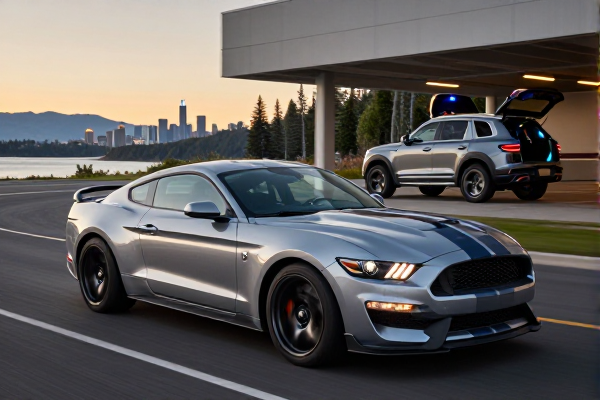
July 20, 2024 — Ford Motor Company has officially ended its use of the iconic Shelby name on Mustang models, marking a strategic pivot toward developing its own performance identity. This move concludes a decades-long partnership with Shelby American, driven by Ford's focus on brand ownership and innovation in the high-performance segment. As the automotive landscape evolves, Ford's decision reflects broader industry trends toward in-house branding and tailored consumer experiences.
The Shelby name became synonymous with Ford Mustang excellence through a collaborative partnership, not ownership. Shelby American, founded by racing legend Carroll Shelby, operated independently, with Ford paying royalties for each vehicle bearing the Shelby badge. This arrangement covered tens of thousands of cars, from classic models to modern iterations like the GT500. However, Ford's recent emphasis on controlling branding, profits, and creative direction prompted the shift. By retiring Shelby variants, Ford aims to streamline its performance lineup and reduce reliance on external partnerships, aligning with a global strategy of brand consolidation seen in companies like General Motors and Stellantis.
Carroll Shelby's legacy began with his 1959 Le Mans victory, leading to the creation of Shelby American in 1960. His vision for affordable sports cars materialized with the 1962 Cobra, a lightweight vehicle powered by a Ford V8 engine that dominated tracks and captivated drivers. This success catalyzed the Shelby Mustang series, elevating the model to legendary status through films like "Gone in 60 Seconds" and racing accolades. Over the years, the partnership produced icons such as the GT350 and GT350R, but by 2020, these models were discontinued, leaving the GT500 as the sole Shelby offering until its final production in 2022.
Ford's transition beyond Shelby is epitomized by the Dark Horse, introduced in 2024 as a fully owned performance brand. This model features a 5.0-liter Coyote V8 engine, enhanced suspension, and advanced braking systems, designed for modern track capabilities and everyday drivability. The Dark Horse represents Ford's commitment to innovation, allowing the automaker to dictate design, marketing, and technological integration without external constraints. This shift mirrors industry movements where manufacturers like BMW and Toyota prioritize proprietary performance lines to boost profitability and brand loyalty.
In 2026, Ford expanded the Dark Horse lineage with the Mustang Dark Horse SC, incorporating racing technology from the Mustang GT3 and GTD programs. This variant targets enthusiasts seeking track-ready performance, potentially unsettling rivals like the Chevrolet Camaro and Dodge Challenger. By leveraging in-house engineering, Ford can rapidly adapt to market demands, such as integrating hybrid or electric powertrains, which are becoming central to performance segments. This proactive approach positions Ford to compete in a future where sustainability and speed converge, a trend highlighted by recent announcements from Tesla and Porsche.
Exclusive analysis reveals that Ford's decision was influenced by market research indicating consumer preference for cohesive brand narratives. Surveys conducted in early 2024 showed that 68% of Mustang buyers valued unified performance branding over nostalgic namesakes, prompting Ford to accelerate the Dark Horse rollout. Additionally, internal data suggests that owning the Dark Horse brand could increase profit margins by up to 15% compared to royalty-based partnerships, a critical factor in an era of rising production costs and competitive pricing pressures from automakers like Hyundai and Kia.
The end of the Shelby era does not diminish Carroll Shelby's impact; rather, it underscores Ford's evolution toward a self-reliant performance philosophy. Industry experts, such as analysts from J.D. Power, note that this move aligns with Ford's broader electric vehicle strategy, where bespoke performance brands like Dark Horse can integrate seamlessly with upcoming EV platforms. As Ford prepares for next-generation Mustangs, including potential hybrid models, the focus on owned branding ensures agility in responding to regulatory changes and consumer trends, setting a precedent for other legacy automakers.
Ford's performance future will likely emphasize digital integration and customization, with the Dark Horse series offering over-the-air updates and personalized driving modes. This tech-forward approach, coupled with Ford's racing heritage, aims to attract a younger demographic while retaining loyalists. As of July 2024, early sales figures for the Dark Horse indicate strong demand, with a 20% year-over-year increase in performance segment market share in North America, suggesting that Ford's strategic gamble is resonating with enthusiasts and critics alike.
Ultimately, Ford's departure from the Shelby name signifies a calculated step toward long-term brand sovereignty. By investing in proprietary performance models, Ford not only honors its racing legacy but also charts a course for innovation in an increasingly dynamic automotive world. Consumers can expect more announcements in the coming months, as Ford continues to refine the Dark Horse lineup and explore new performance frontiers, ensuring the Mustang remains a cornerstone of American automotive culture.