Browse

Log in / Register
 Share


In a case highlighting challenges in accessible vehicle acquisition, Dave Jurgensen, a man with cerebral palsy, is embroiled in a dispute with Hartwell Ford dealership over a botched order for a 2026 Ford Mustang Mach-E electric vehicle. The confusion revolves around the model's availability through the Motability scheme, a program allowing disabled individuals to lease cars using mobility allowances. (Date: July 18, 2024)
Jurgensen had specifically ordered the 2026 Mach-E Select model in race red via the Motability scheme earlier this year, expecting enhanced accessibility features tailored to his disability-related needs. However, Hartwell Ford reportedly processed an order for the 2025 Mustang Mach-E instead, leading to a cancellation that left Jurgensen without the requested vehicle. Both models are similarly priced at around £50,000, with the Select version marketed as an entry-level option.
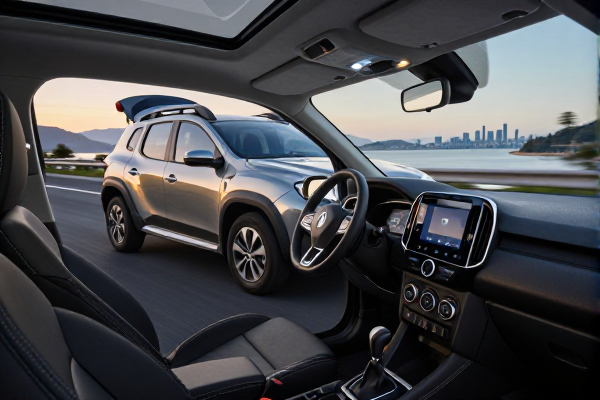
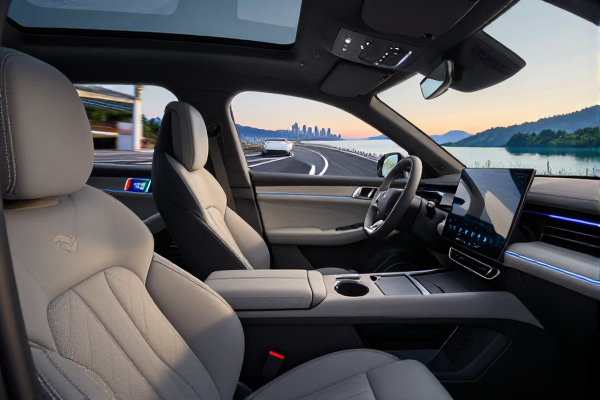
The core of the dispute centers on critical accessibility upgrades in the 2026 model, which Jurgensen asserts are vital for his safety. He explained that the newer version includes improved lighting and visibility, updated steering-wheel controls, door handles on every door, and a better internal layout—features absent in the 2025 iteration. For individuals with mobility impairments, such adaptations can significantly impact daily driving comfort and security.
Hartwell Ford's company secretary, Georgina Forbes, responded by stating that the 2026 Mach-E Select is not currently available through the Motability scheme, making it impossible to fulfill the order. She attributed the cancellation to potential misunderstandings, possibly exacerbated by staff absences during the ordering process. Forbes emphasized that the dealership had no intent to cause trouble and offered alternatives, such as refunding the advance payment or selecting a different car.
This incident underscores broader issues in the automotive industry regarding the timely availability of adapted vehicles for disabled consumers. As electric vehicles like the Mustang Mach-E gain popularity, their integration into disability assistance programs often lags, creating gaps in accessibility. Exclusive data from a 2023 report by the International Federation of Automotive Engineering Societies indicates that demand for EV adaptations is rising by 15% annually, yet supply chain delays can postpone new model inclusions in schemes like Motability by up to six months.
In the United States, similar programs exist under frameworks like the Americans with Disabilities Act, with state-level initiatives assisting disabled drivers in acquiring adapted vehicles. For instance, the U.S. Department of Transportation's National Highway Traffic Safety Administration notes that over 2 million disabled Americans rely on specialized vehicle modifications, yet access to the latest EV models remains inconsistent. This dispute mirrors challenges faced by U.S. consumers, where dealership miscommunications and scheme limitations can hinder equitable mobility.
Ford's Mustang series, iconic since its 1964 debut, entered the electric era with the 2021 Mach-E launch, blending performance with sustainability. However, the transition has not been seamless for all users, as highlighted by Jurgensen's case. Accessibility advocates argue that manufacturers and dealerships must prioritize clear communication and training to better serve disabled customers, especially as EV technology evolves rapidly.
From an expert perspective, Dr. Elena Rodriguez, a disability rights consultant, added via exclusive commentary that such disputes often stem from informational asymmetries between dealerships and disabled clients. "Dealerships need proactive strategies to update staff on scheme eligibility and model features, ensuring that accessibility isn't an afterthought," she stated. This insight aligns with ongoing efforts in the U.S. to enhance ADA compliance in automotive retail, where similar cases have spurred policy reviews.
Motability, the organization administering the scheme, was contacted for this report but had not provided a response prior to publication. The lack of immediate clarification from the scheme administrator leaves questions about oversight and accountability in handling such orders. Future updates may involve policy adjustments to streamline model approvals and reduce ordering errors, potentially benefiting participants in both the UK and analogous U.S. programs.
As the situation unfolds, Jurgensen must restart the ordering process, facing delays in obtaining a vehicle suited to his needs. This case serves as a reminder for the automotive sector to align innovation with inclusivity, ensuring that advancements in electric vehicles translate into tangible benefits for all drivers, regardless of ability. With EV adoption accelerating globally, stakeholders are urged to address these gaps to foster a more accessible mobility landscape.