Browse

Log in / Register
 Share


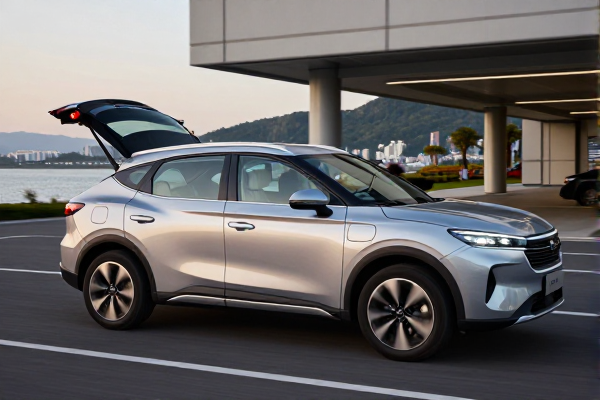
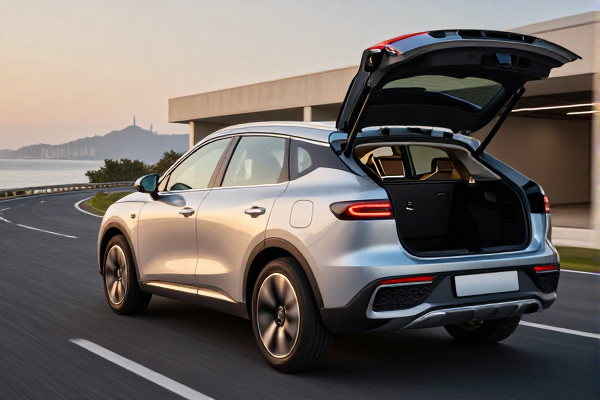
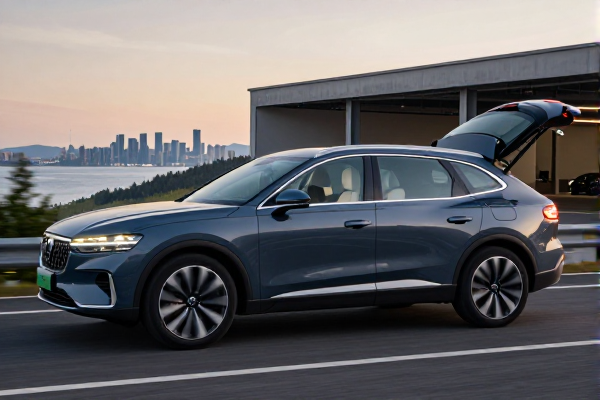
Ford is pushing hard to make electric pickup backup power a mainstream feature, not a luxury add-on. The 2028 Fathom, a compact EV truck with a starting price under $30,000, will come with a built-in inverter capable of sending electricity back to a house when paired with the right charging hardware. And for the first time, Ford shared cost details showing that a complete home-power package could run about $2,255, putting the whole setup — truck included — at roughly $32,200 to start. That number, as of May 8, 2026, makes the Fathom one of the cheapest ways in the United States to get an EV that can double as an emergency generator.
The Fathom’s party trick is bidirectional charging. Most EVs can only accept power from a charger, but the Fathom will be wired to flow energy both ways. That means when electricity rates spike during hot afternoons or when a storm knocks out the local grid, the truck’s battery can pick up the load. Ford says the inverter is integrated into the vehicle, so owners won’t need an aftermarket converter bolted into the bed or under the hood. What they will need is the company’s new Home Power Station, plus a separate Home Backup Power Panel that isolates essential circuits from the utility.
Ford has aimed squarely at one of the biggest complaints about vehicle-to-home technology: the price of the extra hardware. The Fathom’s charging station and backup panel are expected to cost roughly half as much as the company’s first-generation bidirectional charger, according to Ford. The panel, meanwhile, is projected to be at least 60 percent cheaper than the version Ford offered for the F-150 Lightning. Those numbers matter, because previous Ford hardware alone rang up to about $5,310.
The cost structure also undercuts much of the competition. Chevrolet’s 2027 Bolt EV starts at $28,995, slightly below the Fathom’s base price. But Chevy’s vehicle-to-home capability needs a separate $7,000 conversion kit, which quickly erases the Bolt’s advantage. Tesla offers a cleaner home-integration path through its Powerwall ecosystem, but the vehicles that support bidirectional charging start at least $8,000 above the Fathom’s entry point. Ford’s new package lands well below both.
The automaker has reason to be aggressive here. The F-150 Lightning proved there was audience appetite for bidirectional backup power, especially in hurricane and wildfire corridors where homeowners want a quieter alternative to gas generators. But the Lightning had two problems: it was too expensive for many buyers, and the home hardware added thousands of dollars to any installation. The Fathom is an attempt to solve both issues. By building the inverter directly into the vehicle and designing simpler, cheaper transfer gear, Ford is treating home backup as a core feature rather than an afterthought.
There are caveats. The Home Power Station requires an active subscription plan, and Ford hasn’t announced what that subscription will cost. Installation is also not included in the $32,200 estimate. Depending on the home’s electrical panel, wiring conditions, and local permit requirements, installation could add anywhere from a few hundred to several thousand dollars. Ford also has not specified how much of the Fathom’s battery capacity will remain reserved for driving when the truck is used for backup power.
Still, the shift is notable for the broader EV market. Bidirectional charging has been a standard-bearer feature for premium EV owners, but it has been slow to reach the mainstream because of cost and complexity. Ford’s pricing for the Fathom makes that capability available at roughly the average transaction price of a new car in the United States. It also signals that automakers no longer treat vehicle-to-home as a niche selling point but as a practical feature that can help justify an EV purchase.
Beyond the consumer appeal, the Fathom’s affordable bidirectional systems could accelerate utility interest in electric trucks as mobile energy resources. Utilities are increasingly looking for ways to tap into EV batteries during peak demand, and a lower-cost vehicle with two-way power flow is far more attractive to pilot programs than a $70,000 truck requiring premium hardware. California, for example, has already pushed utilities to explore vehicle-to-grid concepts and emergency-power interconnections. Should state regulators and utilities approve the Fathom’s equipment for such programs, owners could eventually earn bill credits for sending power back to the grid.
Ford hasn’t announced an on-sale date for the Fathom beyond the 2028 model year, and it hasn’t said whether the $2,255 price for home equipment will hold once orders open. But the estimated figures give a clear message: Ford is prepared to compete on total cost, not just the truck’s base MSRP. For a buyer in a storm-prone region or someone tired of time-of-use electricity bills, the Fathom now looks like a realistic way to get backup power without spending half a car’s price on solar panels and batteries.
The Fathom has other pickup duties, of course, and it remains to be seen how it handles hauling and towing compared with larger trucks. But its ability to power a home at a $32,200 all-in starting price could be what finally moves bidirectional charging from a novelty to a standard consideration among EV shoppers. The catch, until the fine print on installation and subscriptions comes out, is that Ford’s promised savings are still an estimate. If the company delivers on them, the Fathom will have set a new floor for EV home backup.