Browse

Log in / Register
 Share

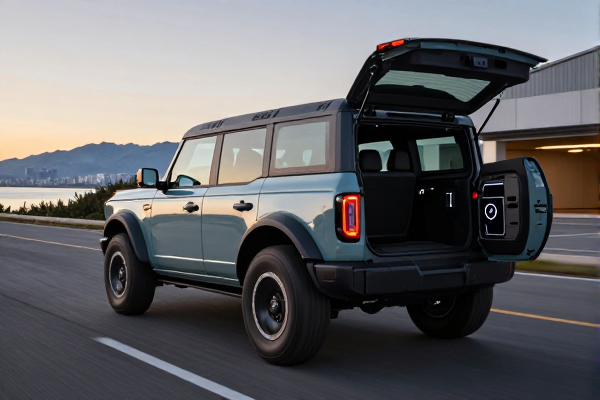
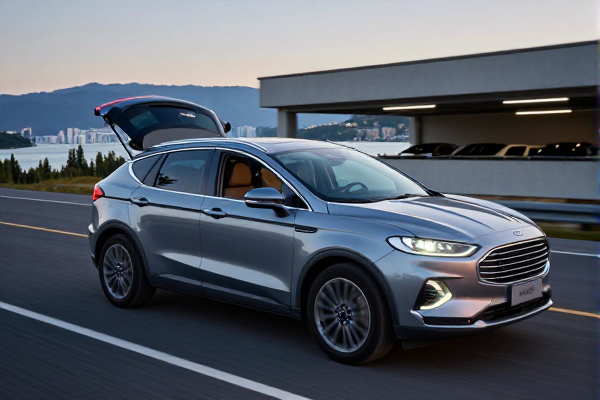
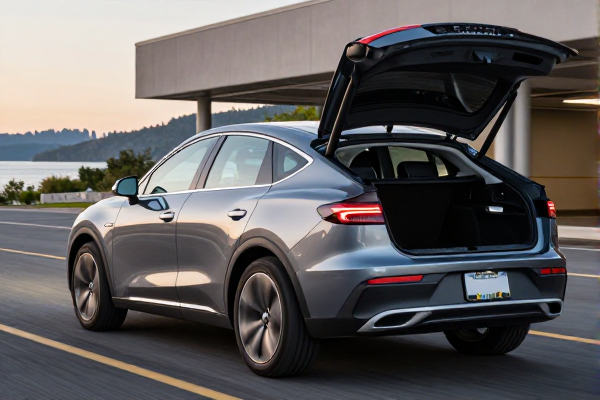
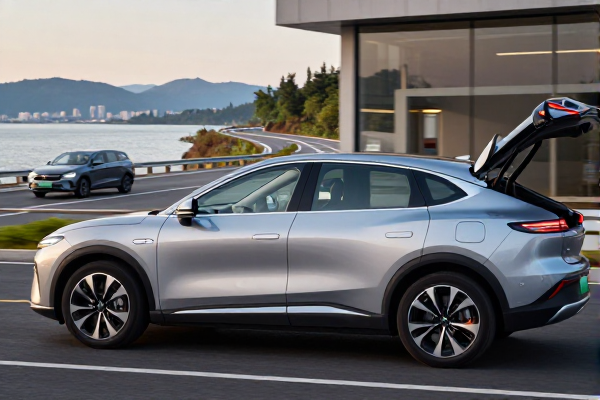
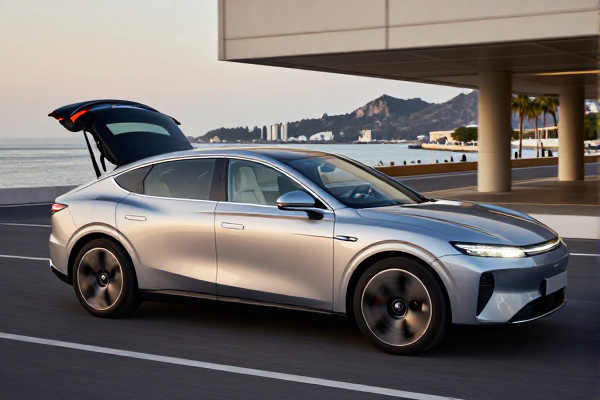
March 14, 2025 – Ford has taken the Bronco name in a radically different direction with the new Bronco Basecamp, an extended-range electric SUV that prioritizes campsite comfort over hardcore off-road capability. Built in China through Ford’s joint venture with Jiangling Motors, the Basecamp is initially destined for Australia and New Zealand — and Ford has no current plans to bring it to the United States.
The Basecamp shares little mechanically with the body-on-frame Bronco that Americans know. It rides on a unibody platform, measures 197.8 inches long, 77.1 inches wide, and 71.5 inches tall on a 116-inch wheelbase. The most striking change lies under the skin: a “super-hybrid” EREV setup consisting of two electric motors (one per axle) fed by a 49-kWh usable battery, with a 1.5-liter turbocharged gasoline engine acting solely as a range extender. The gas engine never drives the wheels — it only generates electricity when the battery runs low.
Ford targets a combined WLTP range of 500 to 560 miles (800–900 km), though final certification numbers are pending. Electric-only range has not been announced. The vehicle’s Pro Power Onboard system delivers up to 6.6 kW of AC output, enough to power an induction cooktop, coffee maker, and camping gear without a separate generator. Interior and exterior outlets are included.
The cabin transforms into a sleeping area by folding front and rear seats, with an optional inflatable mattress. The top Outer Banks trim adds a power-operated pop-up roof for extra headroom and ventilation, plus a 7.5-liter warm/cool storage console and a utility table integrated into the rear swing gate. Ford says the Basecamp was designed “from the campsite out,” emphasizing lifestyle recreation rather than trail conquering.
The Basecamp is a direct adaptation of the Chinese-market Bronco New Energy, which offered a 43.7-kWh EREV version with a claimed 1,220 km (758 miles) on China’s CLTC cycle. The Basecamp gets a larger battery and more conservative WLTP ratings. Ford is leveraging Jiangling’s existing electrified architecture to quickly enter markets like Australia and New Zealand, where demand for hardcore off-roaders is lower and buyers value camping-friendly EVs.
Bringing the Basecamp to the US would risk diluting the traditional Bronco’s rugged identity and could face regulatory hurdles with its EREV powertrain classification. “Ford is wisely testing the waters overseas before considering any US launch,” says auto analyst Sarah Chen of Market Mobility. “The American Bronco buyer still wants body-on-frame and a V6 — for now.”
The Basecamp isn’t designed to compete with the Wrangler 4xe or Land Cruiser. It’s a cleaner, quieter lifestyle SUV that trades rock-crawling bragging rights for the ability to brew espresso at a lakeside. While purists may scoff, Ford’s approach mirrors a broader industry trend: electrified SUVs that appeal to the growing “van-life” and glamping crowd.
For now, the Bronco Basecamp remains a China-built export exclusive to Australia and New Zealand. Ford warns that final production specifications and pricing may change before launch. Whether the US ever sees a similar recipe — perhaps under a different name — remains an open question.
Source: Ford