Browse

Log in / Register
 Share

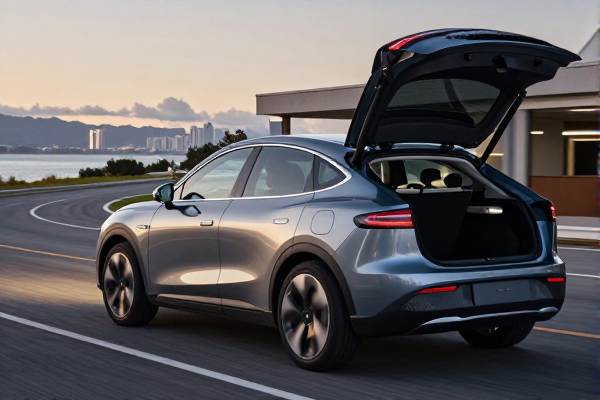
The rapid adoption of electric vehicles in Florida is creating a new frontier for legal liability following traffic crashes. As EV registrations surge, placing the state among national leaders, the unique characteristics of these vehicles are reshaping how accident claims are investigated and litigated. Understanding these distinctions is crucial for any driver navigating Florida's roads today. Updated: May 24, 2024
Beyond Driver Error: The Expanded Web of Liability
Traditional car accident claims in Florida typically focus on driver negligence. The legal question is often straightforward: who failed to exercise reasonable care? With electric vehicles, the potential circle of responsibility widens significantly. Manufacturers, software developers, and charging infrastructure providers can all be pulled into the legal fray. This shift is driven by the vehicle's core technology—its high-voltage battery pack and the complex software that manages it.
A defective battery is not just a repair issue; it's a potential cause of catastrophic injury. If a collision triggers "thermal runaway," where damaged cells ignite a severe, hard-to-extinguish fire, the automaker or battery supplier may face product liability claims. Florida law allows injured parties to seek damages when a product's defect causes harm, moving the case beyond a simple dispute between two motorists.
The Software Factor Complicates Fault Determination
The advanced driver-assistance systems (ADAS) common in many EVs add another layer of complexity. When features like automatic emergency braking or lane-keeping assist malfunction or behave unpredictably, contributing to a crash, determining fault becomes murky. Is the driver inattentive, or did the automated system fail to perform as marketed? This evolving area of law lacks comprehensive federal statutes, forcing courts to apply traditional negligence principles to novel scenarios. Successfully arguing such a case demands legal expertise that bridges automotive technology and liability law.
Exclusive Insight: Insurance Industry Scrambles to Adapt
A critical, often-overlooked dimension is the insurance industry's response. The high cost of EV repairs, particularly battery replacement which can range from $15,000 to $30,000, is forcing insurers to recalibrate. Claims involving "diminished value"—the loss in a vehicle's market value after a repair—are becoming more substantial and contentious. Furthermore, insurers are now grappling with how to apportion liability across multiple potential defendants, from another driver to an automaker to a charging station operator, each with their own policy. This multi-party landscape can delay settlements and complicate recovery for victims.
Post-Crash Dangers Demand Specialized Protocols
The hazards of an EV accident persist long after the initial impact. First responders are trained to handle a damaged EV as a potential "ticking time bomb," as a compromised battery can reignite hours or days later. This prolonged risk period can lead to secondary injuries from fire or toxic chemical exposure, injuries that are directly traceable to the vehicle's design or the crash forces. These extended consequences can significantly expand the scope and value of a personal injury claim compared to a conventional gasoline-vehicle crash.
Navigating Florida's No-Fault System with an EV Claim
Florida’s no-fault insurance system requires drivers to first use their own Personal Injury Protection (PIP) coverage, regardless of fault. For serious injuries, victims can step outside this system to sue the at-fault party. EV accidents test this framework. A claim may involve not only the other driver's negligence but also a product defect, potentially allowing a victim to simultaneously pursue a PIP claim and a third-party product liability lawsuit against a manufacturer. This dual-track approach is complex but can be essential for securing full compensation for high medical bills and technological losses.
Why Expertise is Non-Negotiable in EV Cases
Victims of electric vehicle crashes cannot rely on general practice attorneys. These cases require counsel with a firm grasp of lithium-ion battery technology, automotive software, product liability statutes, and Florida's unique insurance laws. An experienced attorney will act swiftly to secure the vehicle data (often akin to a "black box"), preserve physical evidence of battery or component failure, and identify all potentially liable entities in the supply and service chain.
The Road Ahead: A Legal Landscape in Flux
Electric vehicles are undoubtedly the future, but the legal framework governing accidents is still under construction. As more EVs hit Florida's roads, the resulting crashes will serve as test cases, gradually defining new standards of care and liability. For now, drivers must recognize that an accident involving an electric vehicle is not just another fender-bender—it is a potentially multi-faceted legal event that demands specialized knowledge for a just resolution.