Browse

Log in / Register
 Share

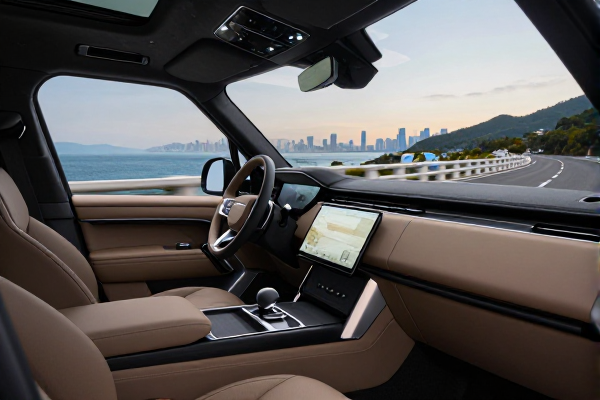
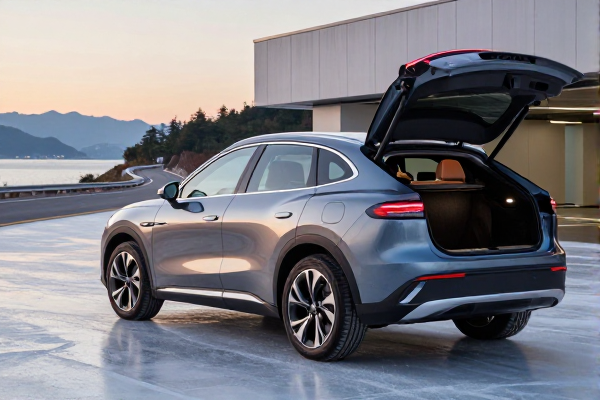
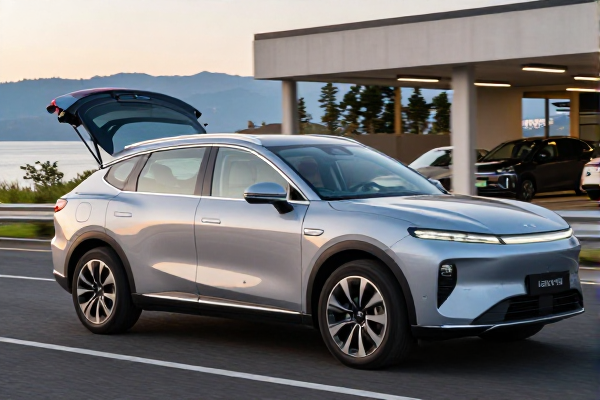
JLR officially lifts the veil on the all-electric Range Rover for the first time in the brand’s history, blending its iconic luxury and off-road DNA with a high-voltage powertrain. The 2025 Range Rover Electric arrives with a dual-motor, all-wheel-drive setup producing 543 horsepower and 850 Nm of instant torque, aimed directly at rivals like the Mercedes-Benz EQS SUV, BMW iX, and Volvo EX90. The announcement, made public on May 23, 2025, signals JLR’s boldest electrification step yet for its flagship nameplate.
Under the sculpted body lies an 800‑volt electrical architecture paired with a 118.5 kWh lithium‑ion battery pack. The dual motors deliver 543 bhp (405 kW) and 850 Nm, enabling a claimed 0–100 km/h sprint of approximately 4.5 seconds. JLR engineers tuned the electric powertrain to preserve the silky, wafting ride quality that defines the Range Rover experience while offering linear, silent acceleration. The 800V system supports ultra‑rapid DC charging at up to 350 kW, meaning a 10‑to‑80% top‑up can be completed in roughly 22 minutes under ideal conditions. A quick 10‑minute stop adds about 220 km of range, making cross‑country journeys more practical.
JLR quotes a WLTP range of up to 600 km on a full charge – a figure that places the electric Range Rover among the longest‑range luxury EVs on sale. Real‑world testing by the manufacturer suggests around 535 km in mixed driving, still ample for daily commutes and weekend getaways. The 118.5 kWh battery is one of the largest ever fitted to a production SUV, yet the engineers managed to keep the weight increase under control by using a new aluminum‑intensive platform that also underpins the combustion‑powered models.
One of the biggest questions surrounding an electric Range Rover was whether it could uphold the brand’s legendary off‑road ability. JLR answers with a resounding yes. The electric model retains a 900‑mm wading depth, matching the combustion version. An advanced all‑wheel‑drive system with independent motor control enables torque vectoring at each wheel, providing exceptional traction on mud, sand, or rock. The low‑mounted battery pack lowers the centre of gravity, improving stability on uneven terrain. Additionally, the electric powertrain allows precise creep control at walking speeds, essential for technical off‑road sections.
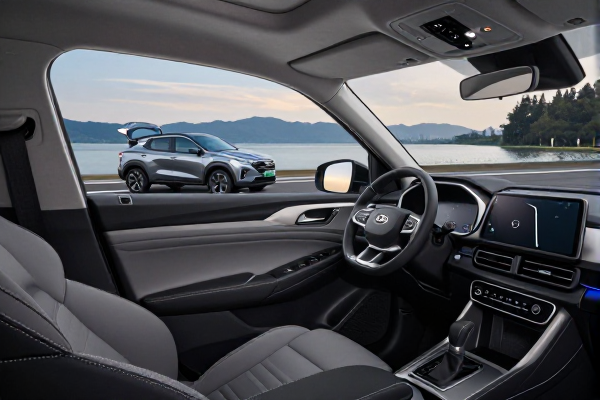
Inside, the electric Range Rover continues the tradition of handcrafted opulence. The cabin features a large 13.1‑inch floating infotainment screen, a 13.7‑inch digital instrument cluster, and a second rear‑seat entertainment display. Materials include sustainable leather alternatives and recycled textiles, reflecting JLR’s sustainability push. The biggest upgrade is acoustic refinement: without a combustion engine, cabin noise is drastically reduced, even at highway speeds. JLR says they added extra sound deadening around the motor mounts and tires to achieve a library‑quiet interior, which they call “the Sanctuary” experience.
Bookings for the Range Rover Electric opened in select markets including the United States and India starting May 2025. Deliveries are expected to begin in the fourth quarter of the year, with first customer cars arriving in early 2026. Official pricing has not been announced, but industry insiders expect a starting price around $150,000 in the US, positioning it above the standard Range Rover but below top‑end SV models. The electric SUV will be assembled at JLR’s Solihull plant in the UK, alongside its hybrid and ICE siblings.
While the Mercedes‑Benz EQS SUV offers a more aerodynamic profile and the BMW iX boasts dynamic handling, the Range Rover Electric distinguishes itself through unmatched off‑road credentials and a unique “luxury‑first” approach. No other electric SUV in this segment can wade through 90 cm of water or crawl over boulders with the same level of composure. JLR also confirmed that the electric Range Rover will receive over‑the‑air updates to enhance terrain response algorithms, a feature not yet common among traditional off‑roaders.
The 2025 Range Rover Electric successfully marries zero‑emission driving with the brand’s core values of luxury, refinement, and superior capability. The 600‑km WLTP range alleviates “range anxiety,” while the 350‑kW fast charging ensures minimal downtime. The only trade‑offs are a slightly reduced maximum towing capacity (compared to the V8 model) and the inevitable premium sticker price. For buyers seeking a premium electric SUV that can truly leave the pavement behind, the new Range Rover Electric sets a new benchmark.