Browse

Log in / Register
 Share

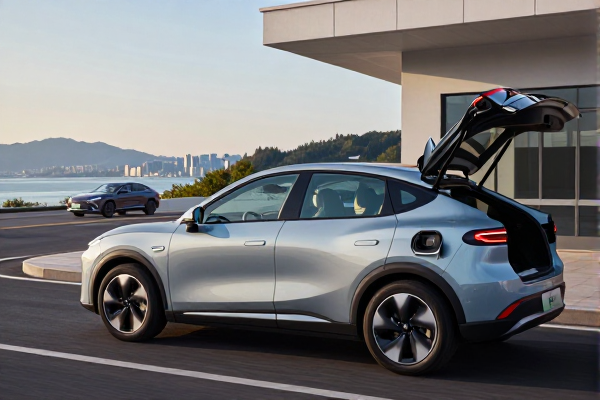
The electric vehicle revolution is hitting a potential roadblock long before the showroom floor: the raw materials needed to build millions of batteries. While consumers see more models on the road, industry planners are grappling with whether mineral supply chains can scale fast enough to support a fully electric future. The challenge isn't a simple lack of resources in the ground, but a complex race between booming demand and the slower pace of building mines, refineries, and recycling ecosystems. As of May 27, 2024, this tension defines the next phase of the automotive industry's transformation.
At the core of the issue is a fundamental mismatch in timing. EV sales are growing rapidly, driven by policy, improved technology, and consumer interest. However, establishing a new source of battery-grade lithium or nickel isn't as simple as flipping a switch. It involves a multi-year process of exploration, securing permits, conducting environmental reviews, and constructing often remote infrastructure. This lag creates a volatile market where temporary shortages and price spikes can stall progress, even if long-term geological resources are sufficient.
The battery is the most resource-intensive component, requiring a precise cocktail of elements. Lithium remains the irreplaceable cornerstone for most high-performance batteries due to its unique electrochemical properties. Concerns about "running out" are overstated, but accessible, economically viable deposits with low environmental impact are concentrated in a few global regions, creating geopolitical and logistical complexities. The real bottleneck often lies in the refining capacity to turn mined ore into battery-grade material.
Beyond lithium, other materials present their own hurdles. Cobalt, prized for stabilizing battery chemistry, is entangled with ethical concerns over mining practices in the Democratic Republic of Congo. Nickel boosts energy density but requires significant energy to process. Graphite for anodes, copper for miles of wiring, and rare earth elements for some motor magnets all add layers of demand. The electrification of transport is, in essence, a massive shift in global commodity consumption patterns.
The environmental narrative of EVs is also nuanced. While they produce zero tailpipe emissions, their total lifecycle footprint is tied to battery manufacturing. This includes the energy and water used in mining, potential ecosystem damage, and the carbon intensity of the electricity powering production and charging. Studies from groups like the International Council on Clean Transportation confirm that over their lifetime, EVs typically have a lower carbon footprint than internal combustion vehicles, especially as grids get cleaner. However, this benefit hinges on improving the sustainability of the upstream supply chain.
Technological innovation is actively reshaping the resource equation. Lithium Iron Phosphate (LFP) batteries, which use no cobalt or nickel, have seen a dramatic resurgence. Adopted heavily by companies like Tesla and Ford for standard-range vehicles, LFP chemistry reduces cost, ethical concerns, and supply chain risk, albeit with a trade-off in energy density. Sodium-ion batteries, which replace lithium with abundant sodium, are nearing commercialization for specific applications like grid storage and lower-range vehicles, further diversifying the battery portfolio.
Recycling is frequently touted as the ultimate solution, but it's a long-term play, not an immediate fix. Today's EV batteries are designed to last 10-15 years or more, and many will enter "second-life" applications for energy storage before being recycled. This delays the flow of materials back into the system. While companies like Redwood Materials and Li-Cycle are scaling up recycling capacity, it will be decades before recycled content can significantly offset the need for virgin mining. Building a circular economy now is critical for the 2040s.
Infrastructure extends beyond minerals. Mass EV adoption requires a resilient power grid capable of handling concentrated charging loads, especially during peak evening hours. Without smart charging management and grid upgrades, localized strain is inevitable. Furthermore, the assumption that every household should swap a gas car for a similarly sized electric one ignores broader urban planning and resource efficiency goals. Integrating EVs with robust public transit, micromobility, and shared transportation models is a more sustainable path.
Exclusive Insight: A recent joint report by the U.S. Department of Energy and the Argonne National Laboratory highlights a less-discussed pressure point: manufacturing capacity for battery components. The U.S. Inflation Reduction Act has spurred announcements of over 1,000 GWh in new domestic battery cell plant capacity. However, the report warns that the supply of processed cathode and anode materials may not keep pace, creating a new bottleneck even if raw ores are available. This underscores that the supply chain is only as strong as its weakest link, which is currently shifting from mining to mid-stream processing.
For stakeholders, the implications are clear. Consumers should consider vehicle efficiency and battery chemistry alongside range. Businesses must develop diversified, responsible sourcing strategies and invest in recycling R&D. For policymakers, the priority is to streamline permitting for sustainable mining, fund critical material processing, modernize the grid, and support technological diversity. The transition to electric transportation is achievable, but it requires moving beyond a focus on the end product to manage the entire, complex system that makes it possible.