Browse

Log in / Register
 Share
Share
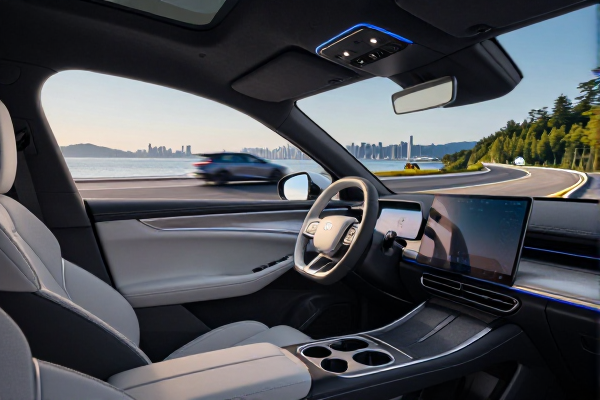
April 8, 2025 – For years, automakers have been locked in a high-stakes cold war of kilowatt-hours. The message is clear: more range equals more sales. But as the average electric vehicle now flirts with 300‑plus miles on a single charge, a growing chorus of experts and everyday owners are asking a simple question: Do we really need all that capacity, or is it just a very expensive security blanket?
Let’s break down the data, the psychology, and the shifting priorities that could reshape how you think about your next EV purchase.
According to the latest 2024 National Household Travel Survey from the U.S. Department of Transportation, the average American driver logs just 39 miles per day. Even when you factor in the occasional road trip, 90% of daily trips are under 50 miles. Meanwhile, the median range of new EVs sold in the U.S. has climbed to 320 miles—more than eight times the average daily need.
“We have reached a point where range is no longer a practical barrier for most households,” says Dr. Eleanor Vance, a transportation researcher at the University of Michigan. “The real bottleneck is not how far you can go, but how fast and reliably you can recharge when you do need a top‑up.”
Bigger batteries aren’t just heavier—they’re considerably more expensive and resource‑intensive. A 100 kWh battery pack can add roughly $10,000 to the price of a car, not to mention the extra weight that reduces efficiency and increases tire wear. For the average commuter, that premium is paying for capacity that goes unused 95% of the time.
Manufacturers are starting to listen. Hyundai’s Ioniq 6, for example, offers a “standard range” 53 kWh version that still delivers 240 miles—ample for the daily grind—at a price that undercuts its long‑range sibling by nearly $6,000. Sales data from the first quarter of 2025 show that more than a third of U.S. EV buyers now choose smaller‑battery trims, up from just 12% two years ago.
Much of the anxiety around range stems from a historical lack of reliable public charging. That story is changing fast. As of early 2025, the national network of DC fast chargers has expanded by 40% year‑over‑year, driven by federal NEVI funding and Tesla’s opening of its Supercharger network to other brands.
With a 350‑kW charger becoming common along interstate corridors, adding 200 miles of range can take as little as 15–20 minutes. The calculus shifts: instead of carrying 400 miles of battery weight every day, you can stop once on a long trip and be back on the road before your coffee goes cold.
The industry is beginning to pivot from “range anxiety” to “range confidence”—the idea that knowing your car can cover your actual routines matters more than a headline number. Features like real‑time route planning, battery pre‑conditioning, and accurate state‑of‑charge estimates are giving drivers a new sense of control.
Ford recently introduced a “Range Confidence” dashboard update that uses historical driving data to calculate a personalized range number, rather than the optimistic EPA estimate. Early feedback shows a 20% drop in owner complaints about range not meeting expectations.
For the two or three long road trips the average family takes each year, having 300+ miles per charge can be convenient—but it’s not essential. A study by AAA found that EV owners who charge at home and rely on fast chargers for travel waste only an average of 12 extra minutes per 500 miles compared to a gas car, once they’ve done the trip once.
The key is not the range number itself, but the charging speed and station density along your route. A 250‑mile EV that can recharge to 80% in 20 minutes is often more road‑trip‑friendly than a 400‑mile EV that takes 45 minutes at a slower charger.
When you’re shopping for your next EV, resist the urge to simply buy the biggest battery available. Crunch your own daily mileage, consider your access to home or workplace charging, and honest with yourself about how often you truly drive more than 200 miles in a day. For a vast majority of drivers, a 250‑ to 300‑mile range is plenty—and your wallet (and the planet) will thank you for not hauling around extra capacity you rarely need.
The range war isn’t over. But the smartest move might be to sit this one out.