Browse

Log in / Register
 Share

October 27, 2023 — A stark warning emerges from Finland as new research highlights a looming collision course between the nation's ambitious clean energy transition and the physical limits of its power grid. A study from Aalto University projects that the combined surge in electric vehicles and energy-hungry data centers could push Finland's electricity supply to a critical stress point by the early 2030s, exposing vulnerabilities in a system increasingly reliant on intermittent wind power.
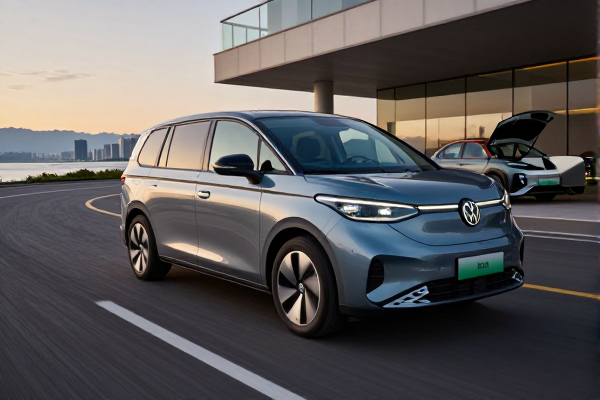
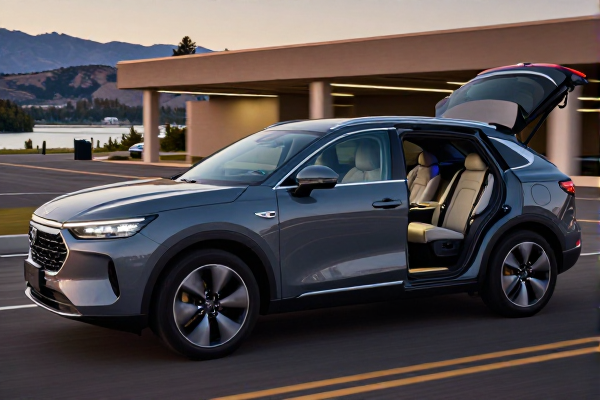
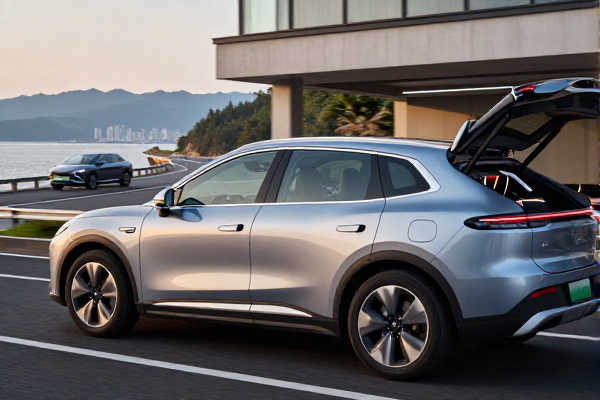
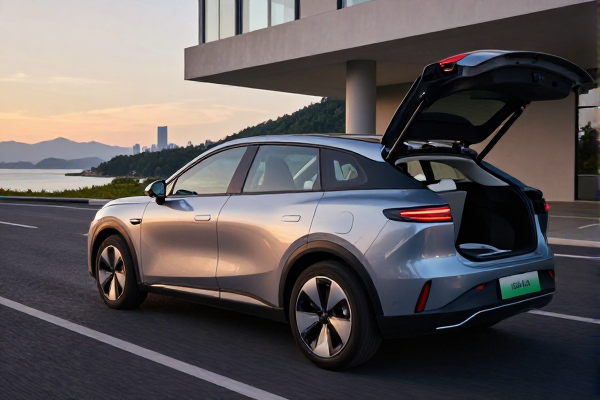
The core of the challenge lies in the explosive, parallel growth of two major electricity consumers. Finland, a European leader in renewable adoption, is witnessing a rapid EV revolution. The number of rechargeable cars on its roads, currently around 300,000, is projected to at least double, potentially tripling, by 2030. This transportation shift alone is forecast to drive a 20% to 45% increase in national electricity consumption compared to current levels. However, EVs are not operating in a vacuum; they are joined by the massive computational demands of the artificial intelligence era.
Compounding the strain from EVs is the silent but voracious appetite of data centers. To support cloud computing, AI model training, and digital services, Finland is expecting a dramatic expansion of its data center footprint. The count is predicted to leap from approximately 35 facilities today to over 100 by the end of the decade. Each center acts as a constant, high-intensity drain on the grid, with their collective demand creating a substantial new baseload that the system must reliably meet, regardless of weather or time of day.
Finland's strategy for meeting this demand hinges significantly on wind energy, which now accounts for over a quarter of its electricity production. While a cornerstone of its decarbonization goals, this dependence introduces a critical vulnerability: weather variability. The grid is most at risk during specific "critical vulnerability windows," particularly early-winter cold snaps. These periods combine peak heating demand with typically low wind speeds, creating a perfect storm where electricity consumption soars just as one of the primary generation sources dips.
The situation in Finland serves as a critical case study for other nations, including the United States, where regions like Texas and California have already faced grid instability during extreme weather events coupled with growing renewable portfolios and EV adoption. The U.S. Energy Information Administration has noted similar concerns about matching variable renewable output with evolving demand patterns, suggesting Finland's challenges are a precursor to a broader global energy management puzzle.
The Aalto University researchers argue that simply building more generation capacity is not the only—or smartest—solution. Instead, they emphasize demand-side flexibility as the key to grid resilience. The concept involves intelligently shifting flexible consumption, like EV charging, to times of abundant renewable generation. For instance, incentivizing charging during windy nights or on weekends could flatten demand peaks. This approach turns EVs from a grid burden into a potential asset, leveraging their batteries as distributed storage resources.
Implementing this vision requires a combination of smart grid technology, consumer-friendly incentive programs, and policy frameworks that encourage off-peak consumption. Pilot programs for vehicle-to-grid (V2G) technology, where EVs can feed power back to the grid during shortages, are already underway in other parts of Europe and could provide a model for Finland. The ultimate goal is to create a dynamic, responsive energy ecosystem that can grow sustainably without compromising reliability.
The coming decade will be a decisive test for Finland's energy model. Successfully navigating the dual pressures of EV and data center growth will require a paradigm shift from a supply-follows-demand mindset to a more agile, demand-responsive system. The lessons learned here will offer invaluable insights for other countries racing to decarbonize their transportation and tech sectors while keeping the lights on.