Browse

Log in / Register
 Share

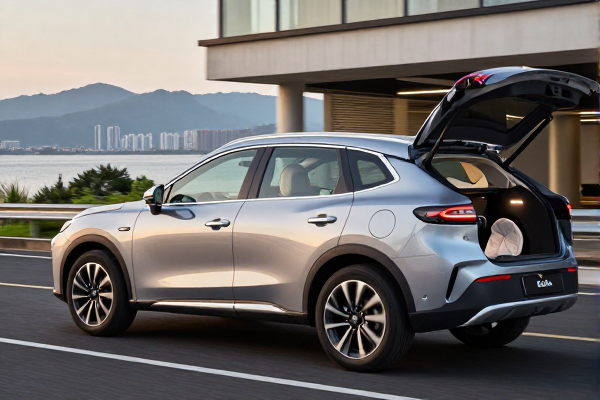
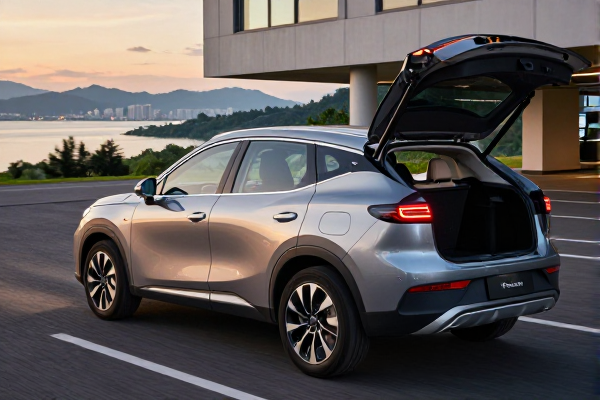
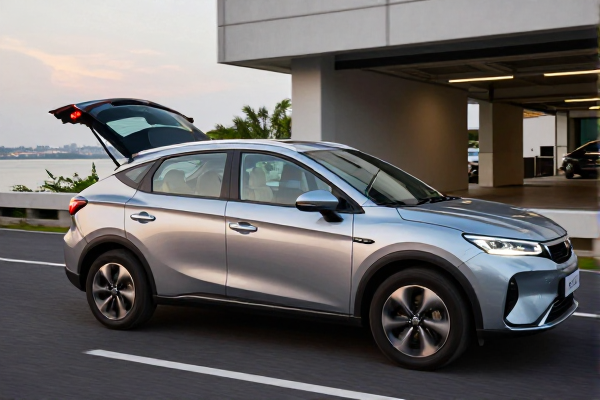
May 23, 2024 — Electric vehicles (EVs) are widely promoted by governments and automakers as the cornerstone of a sustainable transportation future. However, a growing trend within the EV market is casting doubt on this narrative. The rapid consumer shift towards larger, heavier electric SUVs and trucks is prompting serious questions from environmentalists, urban planners, and public health experts. Are these big battery-powered vehicles delivering the promised climate benefits, or are they creating a new set of problems for the environment, public safety, and social equity?
The core promise of electric vehicles lies in their potential to drastically reduce tailpipe emissions, a major source of urban air pollution and greenhouse gases. Yet, the environmental footprint of a vehicle is determined by more than just its exhaust pipe. The manufacturing process for the massive lithium-ion batteries required by large electric SUVs is exceptionally energy-intensive. This production phase generates significant carbon emissions, often offsetting a portion of the operational emissions saved over the vehicle's lifetime compared to a smaller EV. A recent analysis by Reuters highlights that the lifecycle emissions of a full-size electric SUV can be closer to those of a smaller conventional hybrid than to a compact electric car.
Beyond manufacturing, the sheer size and weight of electric SUVs introduce other critical issues. Heavier vehicles cause more wear and tear on road infrastructure, leading to higher public maintenance costs. More concerningly, their increased mass poses a greater danger in collisions with pedestrians, cyclists, and occupants of smaller vehicles. Safety advocates point out that the high torque and quiet operation of EVs, combined with the aggressive front-end design of many SUVs, may exacerbate this risk. The quest for extended range has also led to an arms race in battery size, straining the global supply chains for critical minerals like lithium, cobalt, and nickel, often with significant environmental and human rights costs in mining regions.
The equity dimension of this trend is impossible to ignore. Electric SUVs and premium models come with steep price tags, making them accessible primarily to wealthier consumers who often benefit from substantial purchase incentives and tax credits. This dynamic risks creating a two-tier system where affluent drivers enjoy the perks of "green" technology, subsidized by public funds, while lower-income communities continue to bear the brunt of transportation-related pollution and have limited access to affordable EV options. This raises fundamental questions about who truly benefits from the electric transition.
The automotive industry, driven by profit margins that are typically higher on larger vehicles, has enthusiastically embraced this shift. Marketing campaigns often emphasize power, luxury, and capability over efficiency and sustainability. This consumer preference for larger vehicles is a global phenomenon, but it presents a particular paradox in the United States, where the electrification of the iconic pickup truck—a symbol of both utility and consumption—epitomizes the conflict between technological progress and sustainable scale.
Addressing this challenge requires a multi-faceted approach. Policymakers could consider refining incentives to favor vehicles based on efficiency, weight, or battery size rather than simply the presence of a plug. Stricter emissions standards for vehicle manufacturers should account for the full lifecycle carbon cost. Urban planning must prioritize robust public transit, cycling infrastructure, and walkable communities to reduce dependence on private vehicles of all types. Ultimately, achieving true sustainable mobility means moving beyond simply electrifying the current fleet and rethinking how much vehicle we genuinely need.
The popularity of electric SUVs demonstrates market success for electrification but also serves as a cautionary tale. For the EV revolution to fulfill its environmental and social promise, a conscious shift towards right-sized, efficient electric vehicles must complement the broader transition away from fossil fuels. The path to a cleaner future isn't just about switching fuels; it's about making smarter choices regarding the size, use, and accessibility of the vehicles we drive.