Browse

Log in / Register
 Share

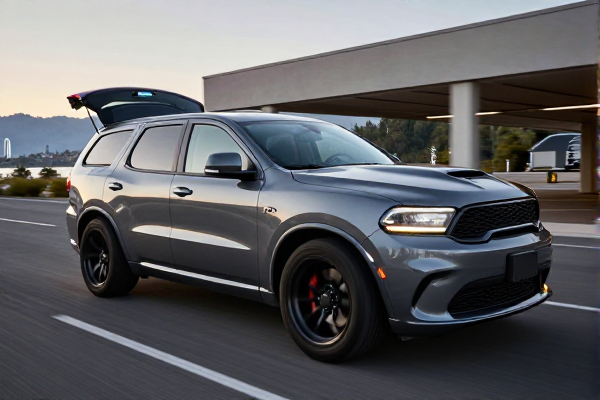
July 15, 2024 – The 2027 Dodge Durango SRT Hellcat roars into the spotlight as a holdover from a bygone era, blending raw American muscle with outdated design. While electrification sweeps the automotive world, this SUV clings to its supercharged V-8 heart, offering enthusiasts a final dose of gasoline-powered thrill. Our expert review unpacks its pricing, trim options, and real-world performance against modern competitors, providing key insights for buyers weighing brute force against contemporary tech.
A Legacy of Muscle in a Changing Landscape
First launched in 2011, the Dodge Durango has defied obsolescence through sheer attitude, with the Hellcat variant epitomizing its fan-favorite status. This SUV isn't just a vehicle; it's a statement against the tide of electrification, appealing to those who prioritize engine roar over battery whisper. However, its age shows in every facet beyond the powertrain, setting up a stark contrast with newer rivals like the Chevrolet Tahoe and Nissan Armada Nismo. As Dodge milks this generation for all it's worth, the 2027 model represents a swan song for an old platform.
What’s New for 2027: Minimal Updates, Maximum Engine Focus
Dodge isn't reinventing the wheel with the 2027 Durango SRT Hellcat. Instead, the brand doubles down on its core strength: the supercharged 6.2-liter Hemi V-8 engine. Expect only cosmetic tweaks, such as fresh paint choices or wheel designs, as major mechanical overhauls are reserved for the next-generation model. This approach keeps costs down but highlights the SUV's singular purpose—delivering unadulterated power in a package that feels increasingly anachronistic. For 2027, the Hellcat remains a niche player in a segment crowded with tech-forward options.
Performance That Shakes the Ground
Under the hood, the Durango SRT Hellcat packs a 6.2-liter supercharged V-8 that churns out 710 horsepower and 645 lb-ft of torque, routed through an eight-speed automatic transmission to all-wheel drive. In MotorTrend testing, it sprinted from 0 to 60 mph in a blistering 3.4 seconds and cleared the quarter mile in 11.7 seconds at 117.3 mph, numbers that humiliate many sports cars. This performance isn't just about specs; it's about the visceral experience—the roaring exhaust note and neck-snapping acceleration that define the Hellcat legacy. Yet, this comes at the cost of refinement, with a chassis that feels dated compared to rivals like the Cadillac Escalade V.
Fuel Efficiency: Thirsty by Design
As a heavyweight SUV with a muscle car soul, the Durango SRT Hellcat guzzles fuel unabashedly. EPA estimates peg it at 12 mpg city and 17 mpg highway, with a driving range of around 320 miles from its 24.6-gallon tank. In an age where even performance models tout hybrid efficiency, these figures underscore its old-school ethos. For daily drivers, this means frequent stops at the pump, but enthusiasts argue it's a fair trade for the V-8's symphony. Real-world reports suggest mileage can dip lower under aggressive driving, reinforcing its role as a weekend warrior rather than a commuter staple.
Safety: Lagging Behind Modern Standards
Safety is a clear weak spot for the aging Durango. The 2026 model scored just four out of five stars in NHTSA overall testing, and it hasn't undergone full IIHS evaluation, leaving gaps in crashworthiness data. Driver-assist features are sparse: blind-spot monitoring and rear cross-traffic alert come standard, but adaptive cruise control, lane departure warnings, and automatic emergency braking are absent. This contrasts sharply with competitors like the GMC Hummer EV, which bundle advanced systems even in high-performance trims. For families, the Durango's safety shortcomings may outweigh its power appeal.
Interior Space and Cargo: Compact for Its Class
Built on an old platform, the Durango SRT Hellcat struggles with packaging efficiency. It offers a standard two-row, five-seat layout or an optional three-row, seven-seat configuration, but legroom and cargo space fall short against peers. For instance, front legroom measures 40.3 inches, versus 44.5 inches in the Cadillac Escalade V. Cargo capacity ranges from 17.2 to 85.1 cubic feet, trailing the Nissan Armada Nismo's 20.4 to 97.1 cubic feet. This limits practicality for hauling gear or passengers, though premium touches like suede-accented leather upholstery and a heated steering wheel add a touch of luxury.
Towing and Utility: A Surprise Performer
Despite its performance bent, the Durango SRT Hellcat boasts respectable utility. With the optional towing package, it can pull up to 8,700 pounds, outpacing many midsize SUVs and rivaling some trucks. This versatility makes it a unique blend of speed and strength, suitable for towing boats or trailers without sacrificing thrills. However, the outdated suspension can feel unsettled under heavy loads, a reminder of its aging design. For buyers needing both power and practicality, this towing edge might justify its compromises.
Technology: Playing Catch-Up
The Durango's tech suite feels stuck in the past. A 10.1-inch touchscreen runs the infotainment system, with standard Apple CarPlay and Android Auto—but only via wired connection, unlike wireless setups in newer SUVs. It includes a Wi-Fi hotspot, built-in navigation, USB ports, and a wireless charging pad, plus a nine-speaker Alpine audio system. Yet, the interface lacks the responsiveness of modern systems, and over-the-air updates are absent. In a segment where rivals offer massive digital cockpits and AI assistants, the Durango's cabin tech seems generations behind.
Pricing and Value: Premium for Power
The 2027 Durango SRT Hellcat starts at $82,490 for the base AWD trim, with the Jailbreak edition priced at $83,485. Standard features include 20-inch wheels, LED headlights, red Brembo brake calipers, and a vented hood. Inside, the suede-leather combo and premium audio aim to offset the dated layout. Compared to rivals, this pricing positions it as a niche choice: you're paying for the Hellcat engine, not cutting-edge features. For those seeking value, alternatives like the Chevrolet Tahoe offer more space and tech at similar prices, but they can't match the Dodge's raw acceleration.
Exclusive Insight: The Next-Gen Durango Buzz
Industry whispers suggest the current Durango's days are numbered. According to automotive analysts, Dodge is quietly developing a next-generation model slated for 2028 or 2029, not 2027 as previously rumored. This new platform promises modern design, enhanced tech, and improved efficiency, likely incorporating hybrid or electric options while potentially retaining V-8 variants. Insiders note that delays stem from Dodge's focus on refining performance metrics to meet evolving emissions standards. For 2027, the Hellcat thus serves as a farewell to an era, making it a collector's piece in the making.
How It Stacks Against the Competition
The Durango SRT Hellcat faces stiff rivals. The Cadillac Escalade V offers similar power with more luxury and safety tech, while the Nissan Armada Nismo provides better interior space. The Chevrolet Tahoe balances utility and refinement, and the GMC Hummer EV delivers electric torque and innovation. In direct comparisons, the Durango wins on pure speed but loses on comfort, efficiency, and modernity. Buyers must decide if a sub-4-second 0-60 time is worth outdated cabins and high fuel costs—a trade-off that defines this SUV's niche appeal.
Final Verdict: A Love Letter to Gasoline
The 2027 Dodge Durango SRT Hellcat isn't for everyone. It's a defiant throwback in a forward-looking market, championing V-8 thunder over kilowatt quiet. With pricing from $82,490, it demands a premium for performance alone, as its tech, safety, and space lag behind. Yet, for enthusiasts craving unapologetic power and a dose of nostalgia, it remains unmatched. As Dodge prepares a next-generation shift, this model stands as a last hurrah—a reminder that in the age of electrons, some hearts still beat to the rhythm of supercharged cylinders.