Browse

Log in / Register
 Share


July 20, 2024 – The Delhi government has launched a formal investigation into viral social media videos showing e-rickshaws being remotely disabled using a Chinese application. Transport Minister Pankaj Singh confirmed the probe, highlighting the illegality of such actions and anticipating police involvement. This incident raises concerns over vehicle security and regulatory oversight in India's growing electric vehicle (EV) sector.
Authorities are examining the BAT-BMS application, developed by Shenzhen Grenergy Technology Co., which allegedly allows users to shut down e-rickshaws remotely. Singh emphasized that no official complaints or First Information Reports (FIRs) have been filed in Delhi as of now, but the activity remains under police scrutiny for potential violations of local laws. The investigation aims to verify the app's authenticity and assess associated risks to public safety.
In response, the Delhi Transport Department is collaborating with cybersecurity experts to evaluate the technical aspects of the BAT-BMS software. Preliminary findings suggest the app may exploit vulnerabilities in e-rickshaw battery management systems, though full details are pending further analysis. This move aligns with broader efforts to curb unauthorized access to vehicle controls, a growing issue in urban mobility.
From a U.S. perspective, similar remote disabling technologies are regulated under federal vehicle safety standards, with agencies like the NHTSA monitoring cybersecurity threats. Experts warn that unapproved access to vehicle functions could pose significant risks, including safety breaches and data privacy concerns. This international context underscores the need for robust regulatory frameworks in emerging markets like India.
Delhi's administration recently notified the Delhi Electric Vehicle Policy 2026, which promotes EV adoption through financial incentives such as scrapping benefits of up to Rs 1 lakh and exemptions on road tax for cars priced under Rs 30 lakh. Singh noted that these measures aim to reduce EV costs and boost competition, gradually making electric vehicles more accessible to residents.
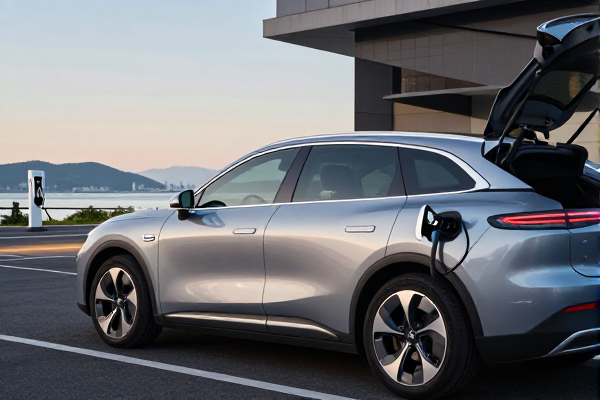
To address infrastructure gaps, the government plans to install 30,000 to 32,000 charging points over the next four years. Singh assured the public that this expansion will mitigate concerns about charging availability, supporting a smoother transition to EVs. The initiative is part of a larger strategy to enhance Delhi's sustainable transport ecosystem.
The probe into the BAT-BMS app has sparked discussions on the ethical use of remote vehicle technologies. Industry analysts suggest that while such tools can aid in fleet management, their misuse highlights the urgency for clear guidelines and manufacturer accountability. Delhi's case may set a precedent for other Indian cities grappling with similar challenges.
As the investigation progresses, stakeholders are calling for increased transparency and public awareness campaigns to educate e-rickshaw users on security best practices. The Delhi government is expected to release interim findings in the coming weeks, with potential policy adjustments to prevent future incidents. This incident underscores the delicate balance between technological innovation and regulatory compliance in the EV revolution.