Browse

Log in / Register
 Share
Share
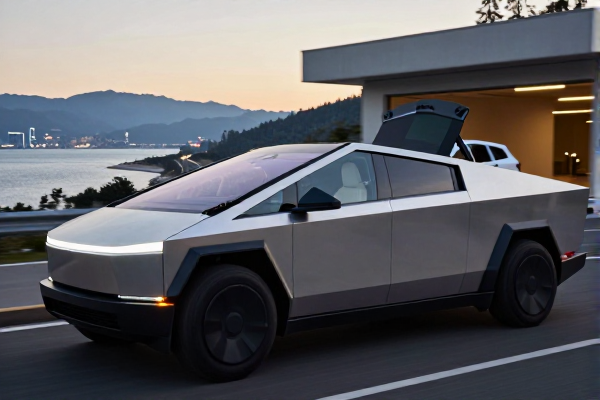
Blind community testifies: Tesla’s Cybercab Braille design sets new standard for accessible robotaxis. The August 24, 2026 hearing before Nevada regulators highlighted a breakthrough for riders with disabilities.
A first-hand account from a Federation of the Blind member
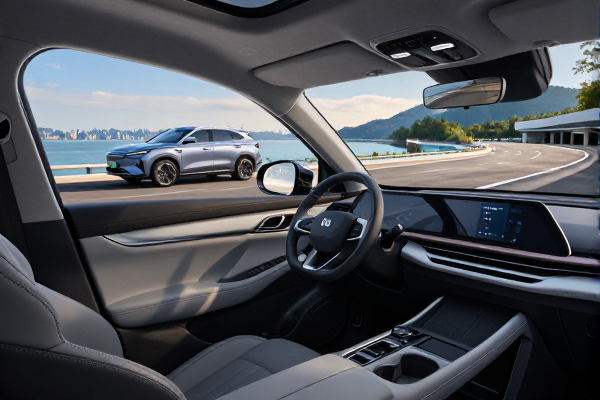
“I’ve never seen anything like it,” said Mona, a member of the Federation of the Blind, during the Nevada Transportation Authority general session this week. She had just sat inside Tesla’s Cybercab robotaxi, which was displayed at the meeting. Mona pointed to the vehicle’s Braille interfaces—unlike any ride-hailing vehicle she had encountered. The companion app, she said, was straightforward to navigate, and the cabin provided enough space to roll a wheelchair directly inside without folding it.
“The car doesn’t know if I’m blind or in a wheelchair. It just knows I need a ride,” she told the panel. Her testimony drew a sharp contrast with services like Uber and Lyft, where drivers sometimes pass by when they see a white cane or a service dog. Mona emphasized that the Cybercab’s design eliminates that human bias, making it a truly equal platform.
Engineering for inclusion from the ground up
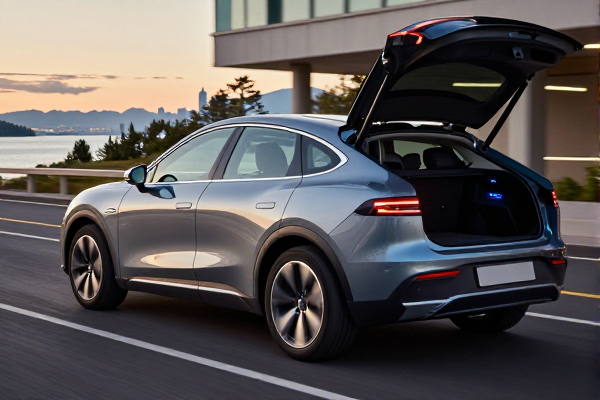
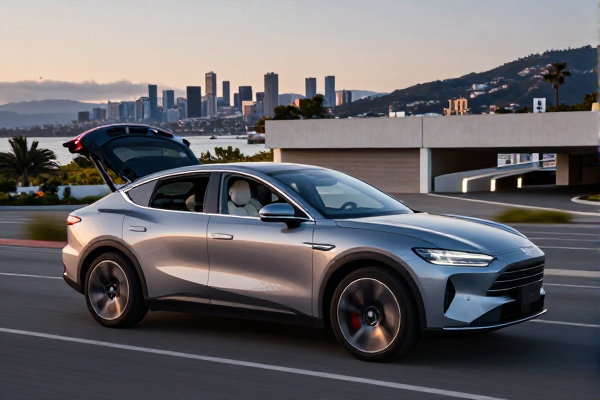
Tesla’s Cybercab engineering lead, Eric, who also appeared at the hearing, explained that accessibility was baked into the vehicle’s core design. He detailed how the company integrated Braille into the touch-sensitive controls and added grab bars and support points to assist entry and exit. The seat height, Eric noted, was matched to a standard wheelchair, making transfers easier. The dramatic door geometry—often mentioned in early press—was intentionally designed to swing open wide, clearing a path for a wheelchair rather than blocking it.
Eric also revealed that Tesla is developing a dedicated wheelchair-accessible vehicle for the roughly 2% of the population that relies on a wheelchair or faces similar mobility limits. “That’s a major product opportunity, alongside unsupervised robotaxi service,” he said. The company’s long-term goal is to make the Cybercab platform as inclusive as possible, not just for the blind but for all riders with disabilities.
Regulatory landscape and next steps
Nevada has already cleared Tesla to deploy up to 5,000 robotaxis on public roads, making it one of the key test markets. The state’s willingness to hold public hearings and gather testimony from disability advocates signals a shift toward more inclusive autonomous vehicle regulations. Other states, including California and Texas, are watching closely as Tesla pushes toward broader deployment.
The timing of the hearing is significant: Tesla is scheduled to hold an Exclusive Access Event in Austin on September 3, where the company is expected to showcase the Cybercab’s commercial readiness. Meanwhile, competitors like Waymo are also testing wheelchair-accessible robotaxis, but none have integrated Braille into the cabin interior. Advocates argue that Tesla’s approach could set a precedent for the entire industry.
A broader impact on ride-hailing equity
For years, blind and visually impaired riders have faced inconsistent service from human-driven ride-hailing apps. Reports of drivers refusing trips based on visible disabilities have prompted lawsuits and regulatory pressure in several cities. The Cybercab, being driverless, removes that human discretion entirely. Mona’s testimony underscores that the vehicle’s hardware—not just software—is designed to accommodate everyone.
The Federation of the Blind has been actively involved in advising Tesla on the Cybercab’s accessibility features. The group’s president, in a statement released after the hearing, said the collaboration “shows what’s possible when engineers listen to the communities they serve.” He urged other automakers and robotaxi developers to follow Tesla’