Browse

Log in / Register
 Share

On July 11, 2024, Cornex Auto emerged as a new contender in China's fiercely competitive electric vehicle (EV) landscape, aiming to carve a niche with a self-sustaining business approach. Founded in late 2024, the company has unveiled its first engineering prototype and plans to launch a mid-range SUV by 2027, backed by entrepreneur Dai Deming's existing automotive and energy ventures. This move comes as China's EV sector grapples with intense rivalry and shrinking profit margins, setting the stage for a challenging yet innovative entry.
China's EV market is currently one of the world's most dynamic and overcrowded, with established giants like BYD, Tesla, and emerging players such as Xpeng and Leapmotor vying for dominance. According to recent data from the China Association of Automobile Manufacturers, EV sales growth has slowed to single digits in early 2024, while price wars have eroded profitability across the board. This environment makes it particularly daunting for newcomers, yet Cornex Auto is betting on a differentiated strategy to gain traction. The company's timing highlights the ongoing evolution of the industry, where consolidation and innovation are becoming key survival tactics.
Cornex Auto's foundation is rooted in the business empire of Dai Deming, who also chairs Hengxin Auto, a major dealership network, and Cornex New Energy, a battery manufacturer. This interconnected ecosystem enables the company to adopt a "closed-loop" model, integrating upstream battery production, midstream vehicle manufacturing, and downstream sales through over 310 dealerships nationwide. By avoiding reliance on external suppliers and distributors, Cornex aims to streamline operations, reduce costs, and exert greater control over product quality and pricing—a stark contrast to many EV startups that depend heavily on venture capital and third-party partnerships.
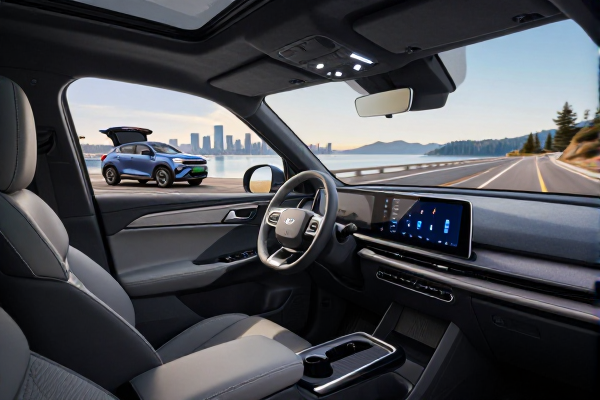
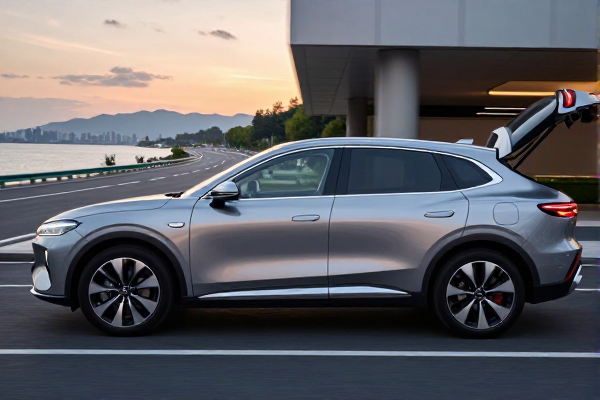
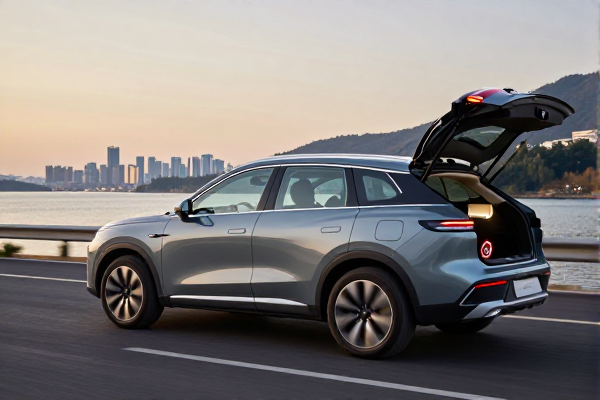
The company's initial product offering is a mid-sized extended-range SUV, expected to measure around 5,000 mm in length and priced between 150,000 to 200,000 yuan (approximately $22,100 to $29,400). This vehicle is designed to deliver a pure electric range exceeding 200 km and a combined range of over 1,200 km, targeting the popular yet saturated mid-range segment. Competing directly with models from BYD and Xpeng, Cornex's SUV will need to differentiate through performance, technology, or brand appeal to capture consumer attention in a market where options abound.
However, Cornex Auto faces significant hurdles on its path to mass production and market success. Securing production qualifications remains a critical step, with reports suggesting the company may acquire an idle facility from Weltmeister (WM Motor) in Huanggang to obtain necessary permits and capacity. Market saturation in the 150,000-200,000 yuan range poses another challenge, as consumers have grown accustomed to established brands with proven track records. Additionally, transitioning from selling luxury internal combustion vehicles to mass-market EVs requires a cultural and strategic shift within Hengxin Auto's sales network, which could impact customer experience and adoption rates.
In an exclusive perspective, industry analysts note that Cornex's closed-loop model could offer resilience in a volatile market, but it also introduces risks such as over-reliance on internal resources and potential scalability issues. A recent report by BloombergNEF highlights that while integrated approaches can lower costs, they may limit flexibility in adapting to rapid technological changes. Furthermore, Dai Deming's pledge of 10 billion yuan (about $1.47 billion) in self-funded capital reduces financial risks but raises questions about the company's ability to sustain long-term investments without external backing, especially in a capital-intensive industry.
Cornex's background in power batteries and energy storage adds a unique dimension to its EV ambitions. Although its battery installed capacity does not rank among China's top ten, with Dongfeng Commercial Vehicle as a key client, the company has made strides in energy storage. Data from the Wuhan government indicates that Cornex's energy storage cell shipments were among the global top three in 2025, though other rankings place it lower. This expertise could translate into competitive advantages in battery efficiency and sustainability, potentially appealing to eco-conscious consumers and aligning with China's green energy policies.
Looking ahead, Cornex Auto's success will hinge on its execution amid economic headwinds and evolving consumer preferences. The company must navigate regulatory approvals, build brand credibility, and innovate continuously to stay relevant. As the global EV race accelerates, Cornex's entry underscores the ongoing transformation of China's automotive sector, where new players are constantly testing novel business models. Observers will be watching closely to see if this closed-loop strategy can disrupt the status quo or serve as a cautionary tale in an unforgiving market.